10 Ways to Stop Vomiting Fast

Vomiting can be unpleasant, but it is often the body’s way of clearing something irritating or harmful from the stomach. However, repeated or persistent vomiting can become more concerning.

Whether nausea is related to food poisoning, a stomach virus, early pregnancy, medication side effects, or cancer treatment, there are several ways to help settle your stomach and manage symptoms.

Here are 10 doctor-recommended ways to stop vomiting quickly, plus tips on prevention and when to call your healthcare provider.


1. Let Your Stomach Rest

Vomiting can be unpleasant, but it is often the body’s way of clearing something irritating or harmful from the stomach. However, repeated or persistent vomiting can become more concerning.

Whether nausea is related to food poisoning, a stomach virus, early pregnancy, medication side effects, or cancer treatment, there are several ways to help settle your stomach and manage symptoms.
2. Sip Clear Liquids Slowly


Once the nausea begins to subside, reintroduce fluids gradually to prevent dehydration.
Start with clear, non-acidic liquids like:
  • Water or ice chips
  • Pedialyte or electrolyte drinks
  • Flat (non-carbonated) soda
  • Light fruit juices like apple juice

“Start with about one ounce of clear fluid,” Dr. Vesta recommends. “If you can keep it down for an hour, gradually increase the amount.”

Avoid citrus juices, alcohol, and coffee, which may further irritate your stomach. Take small, frequent sips rather than drinking large amounts at once.
3. Eat Bland, Easy-to-Digest Foods
 
After keeping liquids down for a few hours, you can gradually introduce solid foods. The BRAT diet — bananas, rice, applesauce, and toast — has long been used as a gentle option for an upset stomach.
Other gentle options include:
  • Plain pasta or noodles
  • Mashed potatoes
  • Crackers or dry toast
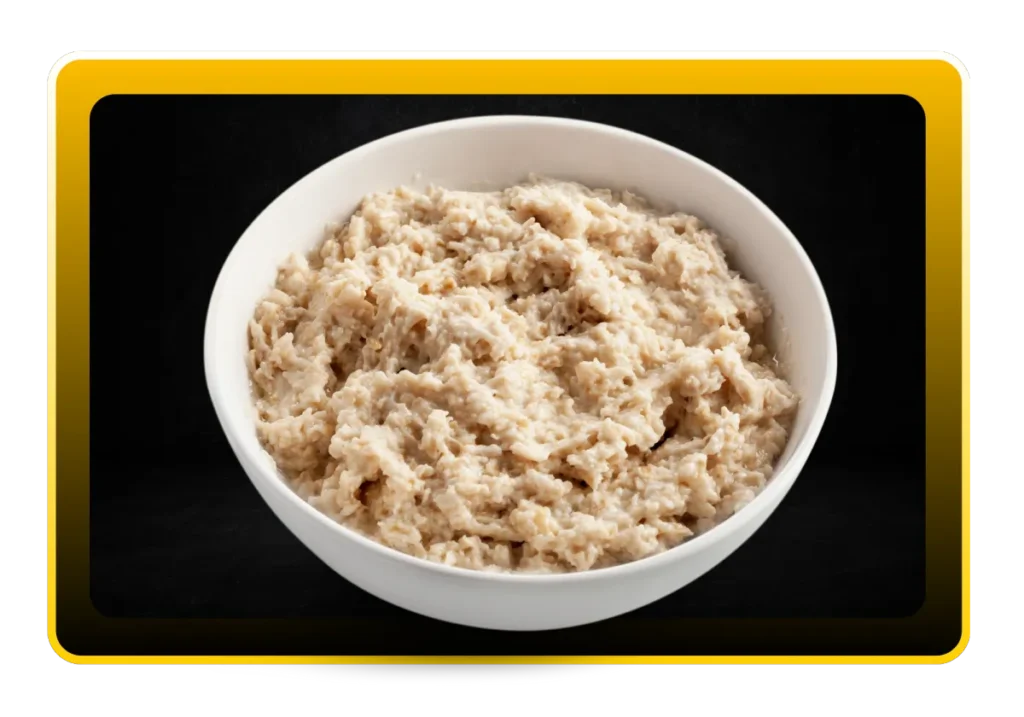
  • Plain oatmeal
Stick with small, frequent meals and avoid spicy, greasy, or acidic foods until you’re fully recovered.
4. Try Over-the-Counter Medications


If rest and hydration aren’t cutting it, anti-nausea medications can help.
Common over-the-counter (OTC) options include:
  • Bismuth subsalicylate (Pepto-Bismol)
  • Dimenhydrinate (Dramamine)

These options may help settle your stomach and ease nausea, but check with your doctor or pharmacist before using them, especially if you take other medications.

For persistent or severe nausea caused by conditions such as GERD, ulcers, or chemotherapy, your healthcare provider may recommend prescription treatments, including serotonin antagonists or dopamine blockers.

5. Get Fresh Air
 
It may sound simple, but fresh air can sometimes help ease nausea.

Opening a window or stepping outside for a short walk can provide cooler air and a change of surroundings, which may help when nausea is triggered by strong odors or heat.

6. Practice Deep Breathing

“Deep breathing activates the parasympathetic nervous system, which helps calm the body’s stress response that often accompanies nausea,” says Dr. Rizwan Bashir, neurologist at AICA Orthopedics.
Try this simple exercise:
  1. Inhale slowly through your nose for four seconds.
  2. Hold your breath for four seconds.
  3. Exhale slowly through your mouth for four seconds.
  4. Repeat for several minutes.
Studies show breathing exercises can even reduce nausea and vomiting in chemotherapy patients.
7. Soothe with Ginger

Ginger has been used for centuries to ease nausea — and modern research supports its effectiveness.
Try:
  • Fresh ginger tea: Grate fresh ginger into hot water.
  • Ginger supplements or chews (if approved by your doctor).
  • Ginger ale, preferably flat and caffeine-free.
Ginger may help calm your stomach and support digestion, though it won’t treat the underlying cause if a more serious condition is present.
8. Use Peppermint Oil or Tea

Peppermint is another natural remedy with anti-nausea properties.
A 2021 study found peppermint oil significantly reduced vomiting and retching in chemotherapy patients. Try:
  • Peppermint tea
  • Aromatherapy (inhaling peppermint oil)
  • Topical use — a drop placed near the upper lip and nose three times daily (under medical guidance)
Its calming effect may relax stomach muscles and help reduce queasiness.
9. Try Lemon or Lemon Aromatherapy

Lemon’s refreshing scent can ease nausea, especially during pregnancy or post-surgery recovery.
You can:
  • Add a slice of lemon to warm water
  • Inhale the aroma of freshly cut lemon
  • Sip diluted lemon water (avoid overdoing it to prevent acid reflux)
It’s the scent — not the acidity — that often helps calm the stomach.
10. Apply Acupressure

Acupressure, a technique from traditional Chinese medicine, may reduce nausea when applied to the P6 (Nei Guan) point on your wrist.
To try it:
  1. Locate the area about three finger-widths below the wrist crease, between the two tendons.
  2. Press firmly for a few minutes.
This technique has been shown to help pregnancy-related and post-operative nausea for some people.

Preventing Vomiting Before It Starts

If nausea is a recurring problem, lifestyle changes can help minimize future episodes.
Here’s what doctors recommend:
  • Wash your hands frequently. Many stomach bugs spread via the fecal-oral route.
  • Avoid overeating — eat smaller, more frequent meals.
  • Eat slowly to avoid overwhelming your stomach.
  • Identify trigger foods like spicy, greasy, or strong-smelling meals.
  • Stay hydrated — dehydration can both cause and worsen nausea.

When to See a Doctor

 
Occasional vomiting isn’t usually serious, but you should seek medical attention if:
  • Vomiting lasts longer than 48 hours (for adults)
  • You have fever, stiff neck, headache, or confusion
  • There are signs of dehydration (dark urine, dry mouth, dizziness)
  • You vomit after a head injury or experience neurological symptoms
We suggest a quick way to check for dehydration is to pinch your skin — if it stays “tented” and doesn’t quickly return to normal, your body may need fluids.
Recurring vomiting with no clear cause should always be evaluated by a healthcare provider to rule out underlying conditions.

Bottom Line

Vomiting is one way your body responds to irritation, but ongoing nausea or vomiting should not be ignored. Rest, staying hydrated, and simple options like ginger or peppermint may help ease symptoms. If they continue, talk with your healthcare provider.

Sometimes, your stomach is telling you that something needs attention — so listen to the signs and seek help when needed.