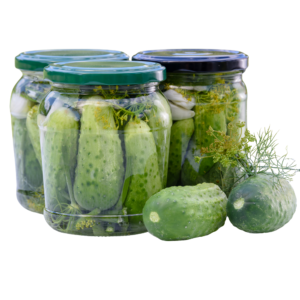
Go ahead — grab that pickle spear off your plate. Turns out, you might be doing your body a favor.
Pickling is one of the oldest ways people have preserved food. Research cited by SingleCare suggests that pickling may date back to around 2400 BC in Mesopotamia. Thousands of years later, pickles remain popular — and not just for their crunchy texture and tangy flavor. They can also offer some surprising health benefits.
Here’s what the research says:
1. They’re Loaded with
Disease-Fighting Nutrients
Pickles provide vitamin K, fiber, and antioxidants that help protect cells from damage caused by free radicals. Classic pickled cucumbers also contain beta-carotene, which the body converts into vitamin A to support immune function and overall health.
2. Fermented Pickles Support Gut Health
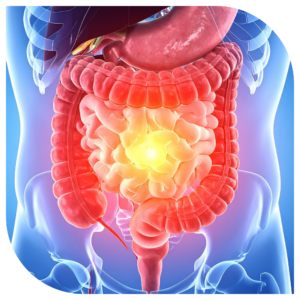
Not all pickles offer the same benefits. Fermented pickles, such as kosher dills, contain live probiotics that can support a healthy balance of gut bacteria. Research cited by SingleCare suggests that probiotics may also help with digestion and conditions such as IBS, IBD, constipation, and diarrhea.
The key is to choose pickles from the refrigerated section labeled “raw” or “fermented.” Shelf-stable, heat-processed pickles typically don’t provide the same probiotic benefits because the processing can destroy the live bacteria
3. They Can Support
Weight Management
Pickles are low in calories and contain no fat, making them a convenient option for those watching their weight. The acetic acid in pickle vinegar may also support feelings of fullness and healthy weight management.
Fermented pickles may offer an added benefit by supporting gut health, which can help maintain a healthy inflammatory balance.
4. They May Help Stabilize
Blood Sugar
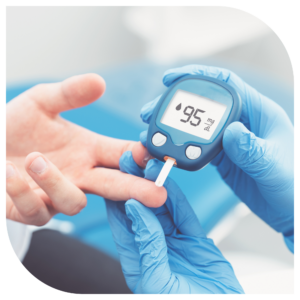
Research published in the Journal of Diabetes Research suggests that vinegar, a key ingredient in pickling, may help reduce blood sugar spikes after meals in people with Type 2 diabetes.
If you manage diabetes with medication, talk with your healthcare provider before making major dietary changes. They may also recommend low-sodium or no-sugar-added pickles.
5. They May Help After a Night Out
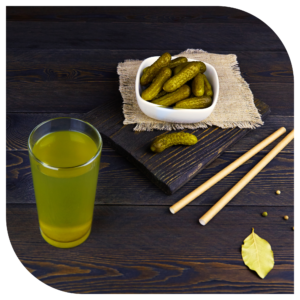
Some experts suggest that a small amount of pickle juice may help replace electrolytes like sodium and potassium after drinking alcohol, which can contribute to dehydration. However, evidence for this benefit is limited, so it should not replace proper hydration.
6. Pickle Juice Can
Ease Muscle Cramps
Athletes may want to take note: a study in Medicine & Science in Sports & Exercise found that small amounts of pickle juice may help reduce muscle cramps, even with mild dehydration. Researchers suggest it may work by triggering a throat reflex that helps calm nerve activity linked to cramping.
A Few Things to
Keep in Mind
Like most foods, pickles are best enjoyed in moderation. They can be high in sodium, so people with heart disease, high blood pressure, or sodium restrictions may need to limit their intake.
Pickles also contain vitamin K, which can affect blood-thinning medications such as warfarin. Their vinegar content may also worsen acid reflux or cause bloating in some people.
If you have an existing health condition or take medication, check with your healthcare provider before making major dietary changes.
The Bottom Line
Pickles can be part of a healthy diet when enjoyed in moderation. They may support gut health, weight management, blood sugar balance, and exercise recovery. Fermented varieties also provide probiotics, along with nutrients such as vitamins, minerals, and fiber.
So next time you’re shopping, feel free to add a jar of pickles to your cart — just keep portions and sodium intake in mind.