
A PLAIN-LANGUAGE GUIDE TO WHICH VISION CHANGES CAN BE A NORMAL PART OF AGING—AND WHICH ONES MAY SIGNAL A SERIOUS EYE PROBLEM THAT NEEDS PROMPT MEDICAL ATTENTION.
As you age, changes in your eyesight can develop so slowly that you may not realize your vision is shifting at first. After 55, many of these changes are a normal part of getting older. You may notice yourself holding reading material farther away or using extra light to see clearly in dim settings.
However, sudden changes in vision are different and may point to a more serious eye condition. Knowing which symptoms are expected with age and which ones warrant contacting an eye care professional can help you protect your vision.
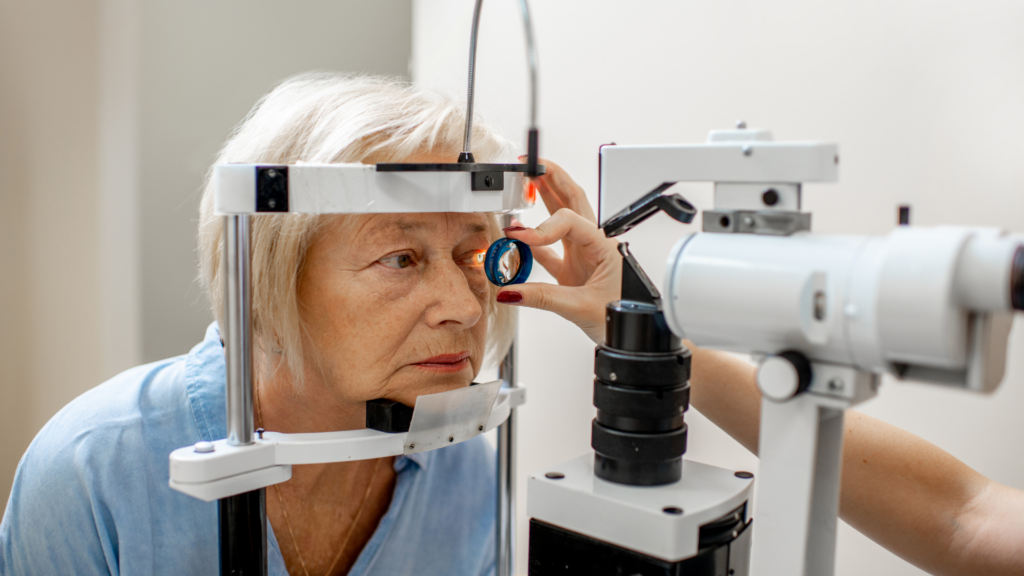
Why your eyes change after 55
As you get older, several parts of the eye naturally change. The lens becomes less flexible and may eventually become cloudy, while the retina becomes more susceptible to age-related conditions such as macular degeneration. The cornea can also become less sensitive, and the lens may scatter more light or gradually yellow, affecting contrast and color perception. Pasted markdown
These changes often develop gradually. You may notice yourself holding things farther away, increasing the brightness on your phone, or avoiding nighttime driving.
Common changes that can come with aging
Difficulty seeing up close: Presbyopia is a very common age-related change that makes it harder to focus on nearby objects. Reading glasses or larger text may help. Pasted markdown
Needing more light: It’s common to need brighter lighting as you age. Difficulty seeing at night, glare, or halos around headlights can also occur, although these symptoms may be early signs of cataracts and should be mentioned during an eye exam. Pasted markdown
Dry or irritated eyes: Dryness and eye fatigue become more common with age and can be influenced by medications, hormonal changes, and prolonged screen use.
Vision changes that need urgent care
- Sudden increase in floaters or flashes — may indicate a retinal tear or detachment and requires same-day evaluation. Pasted markdown
- Straight lines suddenly appearing wavy or bent — can be a warning sign of wet macular degeneration. Pasted markdown
- Sudden blurry vision, vision loss, or double vision — may signal a retinal problem, stroke, blocked blood vessel, or another emergency. Pasted markdown
- A shadow or curtain across your vision — can occur with retinal detachment and other serious conditions and shouldn’t be ignored. Pasted markdown
Why regular eye exams matter
Routine dilated eye exams can detect problems such as glaucoma, diabetic retinopathy, cataracts, and macular degeneration before noticeable vision changes develop. The source recommends yearly dilated exams for people over 50. Pasted markdown
Bottom line
Gradual difficulty reading, needing more light, and some reduction in night vision can be part of normal aging. Sudden vision loss, new flashes or floaters, wavy lines, double vision, or a curtain-like shadow are different—seek medical attention promptly if they occur. Pasted markdown.
Source: SingleCare