
Fatty liver diet: 8 foods to eat—and 8 to avoid
The lifestyle changes that can reverse the condition
KEY TAKEAWAYS
Fatty liver disease, whether related to alcohol or other causes, may improve with dietary changes and weight loss.
A liver-friendly eating pattern emphasises high-fiber foods, fruits, vegetables, nuts, and whole grains, while limiting saturated fat and salt. For people with fatty liver disease, avoiding alcohol is also recommended.
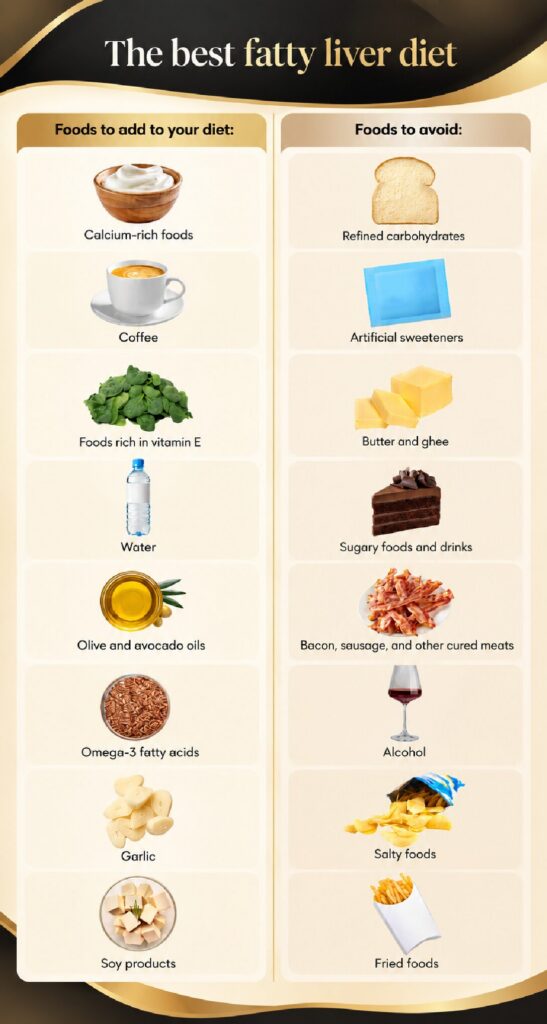
Try to limit or avoid sugary drinks, refined carbohydrates, diet beverages, butter and ghee, sweet baked goods, fatty meats, salty foods, and fried foods.
What is fatty liver disease?
Fatty liver disease occurs when excess fat accumulates in the liver. It generally falls into two categories: alcohol-associated fatty liver disease, which is linked to heavy alcohol consumption, and nonalcoholic fatty liver disease (NAFLD), which can develop in people who drink little or no alcohol.
About 5% of the U.S. population has alcoholic fatty liver disease, while approximately 100 million Americans have NAFLD. NAFLD is also the most common liver disease among children. A more advanced form, called nonalcoholic steatohepatitis (NASH), can cause liver inflammation and may progress to serious conditions such as cirrhosis and liver cancer.
Is fatty liver dangerous?
Fatty liver does not always lead to serious complications. However, about 1 in 5 heavy drinkers with fatty liver disease may develop alcoholic hepatitis, while many people with NAFLD or NASH do not experience major complications.
The condition can also improve in many cases. Lifestyle changes can play an important role in managing fatty liver disease, particularly losing excess weight, avoiding alcohol, and following a diet that supports liver health.
How to manage fatty liver with diet
Some factors that increase the risk of fatty liver disease are related to underlying health conditions and may not be fully within your control. These include:
High cholesterol or elevated triglycerides
Metabolic syndrome
Obesity, particularly excess abdominal fat
Polycystic ovary syndrome (PCOS)
Sleep apnea
Type 2 diabetes
Insulin resistance
Hypothyroidism
Hypopituitarism
Even when these risk factors are present, lifestyle changes can still help manage fatty liver disease. Rather than making a few isolated changes to your diet, experts recommend developing consistent eating habits that you can maintain over time.
For people with NAFLD or NASH, a generally recommended eating pattern includes:
Plenty of fiber
More fruits, vegetables, and nuts
Whole grains
Minimal saturated fat, particularly from animal products
Limited salt and sugar
No alcohol
The American Liver Foundation recommends reducing overall calorie intake and following a Mediterranean-style eating pattern. One practical approach is to make about half of your plate fruits and vegetables, one-quarter protein, and one-quarter starches.
Two simple principles can help guide food choices:
Choose Mediterranean-style foods: Focus on plant-based foods, whole grains, extra-virgin olive oil, and fish. Poultry, cheese, and other dairy products can be eaten in moderation.
Limit added sugars and highly processed foods: Reduce processed meats and refined grains as well.
Weight loss can also make a meaningful difference. According to gastroenterologist Sanaa Arastu, losing approximately 7%–10% of body weight may significantly improve fatty liver disease and, in some cases, lead to its resolution.
8 foods to eat
Experts recommend these foods in particular for a healthy liver:
1. Almond milk or low-fat dairy
Calcium is an important nutrient for people with fatty liver disease. Some emerging research suggests that getting enough calcium and vitamin D may help lower the risk of developing fatty liver, although more research is needed.
People with advanced liver disease may also experience nutritional problems that increase the risk of osteopenia and osteoporosis. Fatty liver itself does not necessarily interfere with calcium absorption, but maintaining adequate calcium intake remains important for bone health.
2. Coffee
Plain coffee, without added sugar or high-calorie creamers, has been associated with potential benefits for people with fatty liver disease. Researchers are still studying exactly how coffee may affect liver health, but growing evidence suggests it may help reduce liver fat.
The amount that may be appropriate can vary from person to person.
3. Vitamin E-rich foods
Foods such as red bell peppers, spinach, peanuts, and other nuts provide vitamin E and can be incorporated into a liver-friendly diet. Some research suggests vitamin E may provide modest benefits for people with NAFLD or NASH, although additional studies are needed.
4. Water
Water is generally a better choice than sugary or high-calorie beverages. Staying adequately hydrated can help support overall health and avoid dehydration, which may place additional stress on the body.
5. Olive oil
Healthy oils, including olive oil and avocado oil, provide beneficial unsaturated fats and may help with satiety. Research has also associated olive oil consumption with improvements in certain liver enzyme levels. Other sources of monounsaturated fats include sesame, peanut, sunflower, canola, and safflower oils.
6. Flax and chia seeds
Flax and chia seeds provide plant-based omega-3 fatty acids. These healthy fats may help reduce fat accumulation in the liver and can be included in diets for both nonalcoholic and alcohol-associated fatty liver disease.
7. Garlic
Some research suggests that increasing garlic intake may benefit people with NAFLD. One study found that regular garlic powder consumption was associated with reductions in body fat and liver fat, as well as a lower likelihood of disease progression.
8. Soy
Soy-based foods such as tofu and soy milk may also have potential benefits for people with fatty liver disease. Research has found improvements in certain metabolic measures among people with NAFLD who consume soy products.
8 foods to avoid
FOODS TO LIMIT OR AVOID ARE GENERALLY THOSE THAT CAN RAISE BLOOD SUGAR QUICKLY OR CONTRIBUTE TO WEIGHT GAIN, INCLUDING:
Juice, soda, sugary drinks, and refined carbohydrates: This includes foods such as white bread. These options are high in sugar or refined carbohydrates, which experts recommend limiting when managing fatty liver disease.
Low-calorie diet drinks: Some experts recommend limiting artificially sweetened beverages because certain sugar substitutes may have potential effects on liver health.
Butter and ghee: These are high in saturated fat, which has been associated with elevated triglyceride levels in the liver.
Sweet baked goods and desserts: Cakes, pastries, pies, and ice cream are high in added sugars and refined carbohydrates, making them foods to limit when trying to improve fatty liver disease.
Bacon, sausage, cured meats, and fatty meats: These foods tend to contain substantial amounts of saturated fat and are generally best limited.
Alcohol: People with alcohol-associated fatty liver disease should avoid alcohol because continued drinking can contribute to additional liver damage. For people with NAFLD, the source notes that occasional alcohol consumption, such as a glass of wine, may be acceptable.
Salty foods: Higher salt intake may contribute to worsening NAFLD. Salty foods are also often found alongside high-fat and high-calorie foods, which can make maintaining a calorie-controlled diet more difficult.
Fried foods: French fries, onion rings, and similar foods can be particularly high in calories. Limiting them can make it easier to follow a calorie-conscious eating pattern.
4 ways to reverse fatty liver disease
Beyond dietary changes, adopting other healthy lifestyle habits may help lower the risk of fatty liver disease and support improvement or reversal of the condition.
1. Exercise more
Combining regular physical activity, healthy eating, and gradual weight loss can provide greater benefits for liver health than relying on one change alone. Dr. Delgado-Borrego suggests aiming for about 60 minutes of activity each day, but this can be broken into shorter sessions if a full hour feels overwhelming—for example, four 15-minute walks.
The U.S. Department of Health and Human Services recommends at least 150 minutes of moderate-intensity aerobic activity per week, along with strength-training exercises at least twice a week.
2. Prioritize sleep
Getting enough sleep is particularly important for people with liver disease. Conditions such as obstructive sleep apnea may contribute to worsening liver health by reducing the amount of oxygen available to the liver. Anyone experiencing possible sleep-related problems should discuss them with a healthcare provider and consider an evaluation.
Adults generally need around 7–9 hours of sleep each night. If adjusting your sleep schedule is difficult, try gradually moving bedtime earlier rather than forcing a major change all at once.
3. Talk with your healthcare provider before taking supplements
Before adding supplements to your routine, discuss them with a healthcare professional. This is especially important with vitamin E, which is sometimes used by people with liver conditions but may cause health problems when taken in excessive amounts.
Supplements should not replace a nutritious diet or other lifestyle measures. They should be considered as part of an overall treatment approach when appropriate.
4. Discuss medication options
Medication may be considered depending on the type and severity of fatty liver disease. The source notes that, at the time of publication, there were no FDA-approved medications specifically for fatty liver disease, although treatments used for other conditions, including metformin and pioglitazone, had shown some potential benefits in fatty liver and NASH.
Improving fatty liver disease generally requires consistent, sustainable changes rather than quick fixes. How long improvement takes can depend on factors such as the amount of weight that needs to be lost and how consistently dietary and exercise changes are maintained. Managing stress may also be beneficial, as research has explored connections between cellular stress in the brain and fatty liver disease.
Source: SingleCare