
How to Transfer Your Prescriptions to a New Pharmacy (Without the Headache)
Changing neighborhoods, switching insurance plans, or looking for lower medication costs may lead you to consider moving your prescriptions to a new pharmacy. You might wonder: How do you transfer your prescriptions from one pharmacy to another?
The process is usually simple. In many cases, you can transfer your prescriptions through a quick phone call or an online request. Here’s what you need to know and the steps to make the switch smoothly.
Step-by-Step: How to Transfer Your Prescription
1. Compare Prices and Choose Your New Pharmacy
-
Use tools like SingleCare to compare prices.
-
Make sure your new pharmacy is in-network with your insurance (if you’re using one).
-
Consider convenience — is it closer to home or work?

2. Gather Your Prescription Information
-
Prescription numbers (found on your bottle)
-
Medication names and doses
-
Current pharmacy’s name, phone number, and address
-
Your date of birth and contact info
-
Payment or insurance information
Tip: Before transferring your prescriptions, confirm your medication names and dosages are correct. If you use discount cards or coupons, provide them to your new pharmacy before pickup to help avoid unexpected costs.

3. Contact Your New Pharmacy
After gathering the necessary information, contact your new pharmacy by visiting in person, calling, or using their website or app.
Let them know you want to transfer your prescription from your current pharmacy. You’ll need to provide your personal information and details about your previous pharmacy.

4. Let the New Pharmacy Handle the Transfer
After you submit the request, your new pharmacy will handle the transfer process. They will contact your previous pharmacy to obtain your prescription information, including any remaining refills. If additional details are needed, they may contact you or your healthcare provider.

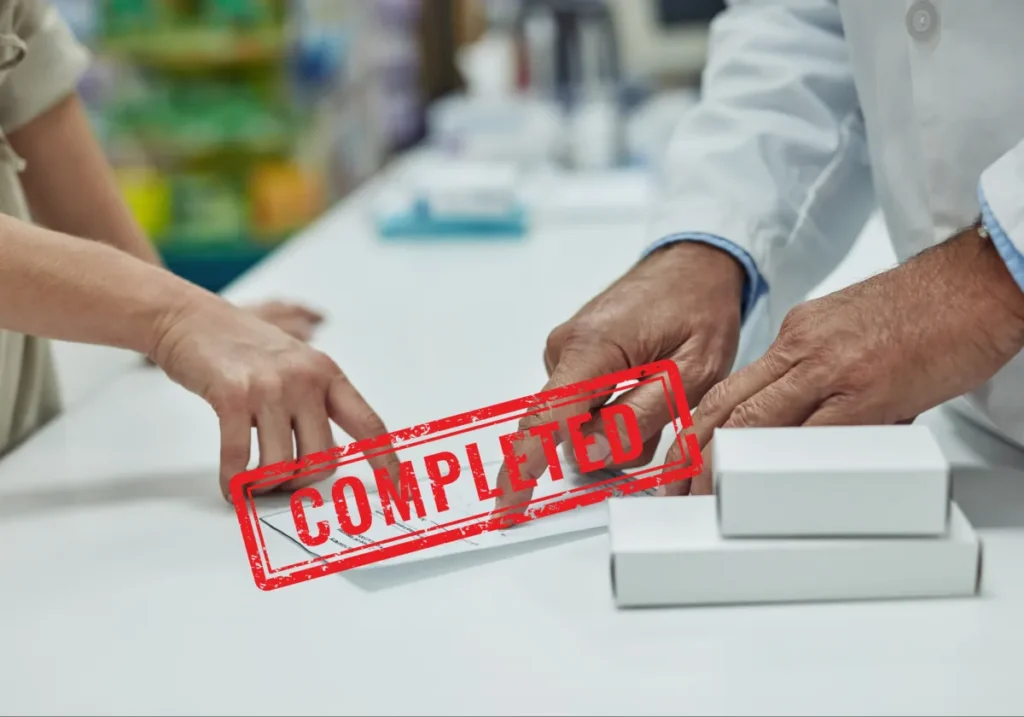
5. Wait for the Transfer to Be Completed
Prescription transfers usually take a few hours to a couple of days. Many pharmacies can complete the process on the same day, especially if the request is made early.
If more than 48 hours have passed or you are running low on medication, contact your new pharmacy to check the status of your transfer.

Things That Can Delay Your Prescription Transfer
-
Out-of-stock medications — the new pharmacy may need to order more.
-
Expired prescriptions — your doctor will need to send a new one.
-
Busy pharmacies — high volume can slow down processing.
-
Insurance issues — prior authorizations or coverage updates can delay refills.
Controlled Substances and Transfer Limits
-
Schedule III, IV, and V drugs (like Xanax, Ambien, or Tylenol with codeine) can be transferred only once, even if refills remain.
-
Schedule II drugs (like OxyContin, Adderall, and Vicodin) usually can’t be transferred at all.
Can You Transfer a Prescription to Another State?
Yes, you can usually transfer prescriptions between states as long as the prescription is still valid. Most pharmacies can handle these transfers, but controlled substances may have additional restrictions depending on state laws.
Before moving or traveling, contact the new pharmacy to confirm they are able to fill your medication.
The Bottom Line
Some controlled medications may have additional restrictions, but your pharmacist can guide you through the process. If you have questions, don’t hesitate to ask — pharmacists handle prescription transfers regularly and can help make the switch as smooth as possible.