
STRESS AND ANXIETY CAN CAUSE A RASH, BUT IT IS USUALLY NOTHING TO WORRY ABOUT
Everyone experiences anxiety from time to time, but ongoing stress from events like the pandemic, global issues, and daily pressures has contributed to increased mental health concerns. According to the KFF/CNN Mental Health in America Survey, many U.S. adults believe the country is experiencing a mental health crisis, with a significant number reporting symptoms of anxiety.
For some people, stress and anxiety can appear physically through anxiety rashes. These rashes may look like raised bumps, welts, or hives (urticaria) and can cause itching or discomfort. They may appear anywhere on the body but are commonly found on the neck, chest, torso, face, and arms.
Anxiety rashes are one way the body can respond to stress. However, people with existing skin conditions may be more likely to experience them, and it is important to rule out other causes such as allergic reactions or infections. Many anxiety-related rashes improve on their own, but seek medical advice if a rash lasts longer than six weeks or causes concern.
KEY TAKEAWAYS
- Anxiety rashes are a physical response to stress and may appear as itchy, raised bumps, or hives on the skin.
- These rashes often clear up on their own, but symptoms may be relieved with over-the-counter antihistamines or hydrocortisone creams when appropriate.
- Determining the cause of a rash involves looking at stress levels as well as other possible triggers, such as new foods, skincare products, medications, or environmental changes.
- Managing stress may help reduce the likelihood of anxiety-related rashes. However, symptoms such as rapid spreading, fever, swelling, or difficulty breathing require prompt medical attention.
WHAT CAUSES ANXIETY RASHES
To understand anxiety rashes, it helps to understand how the skin responds to stress. When the body experiences stress, it releases cortisol, a hormone that helps manage the stress response. Increased cortisol levels can trigger the release of histamine, a chemical involved in immune reactions that may lead to inflammation, itching, and hives.
According to Clifford W. Bassett, MD, psychological stress and anxiety can contribute to unexplained or recurring hives. Stress-related reactions may also become worse with factors such as alcohol, heat, or exercise.
However, itchy skin and rashes can have many causes, including allergies, infections, skin conditions, medications, or other health concerns. Conditions like eczema, rosacea, and acne may become worse during stressful periods, while stress can also trigger flare-ups in conditions such as Crohn’s disease, colitis, and fibromyalgia.
Anyone can develop an anxiety rash, but some people may be more prone to them, including those with a history of skin conditions, higher stress levels, or anxiety. Before assuming a rash is caused by stress, it is important to consider other possible triggers such as new foods, medications, skincare products, or environmental changes.
- New foods
- New soap or detergents
- New medications
- Insect bites
- Existing skin conditions such as eczema, rosacea, and acne
WHAT DOES AN ANXIETY LOOK LIKE?
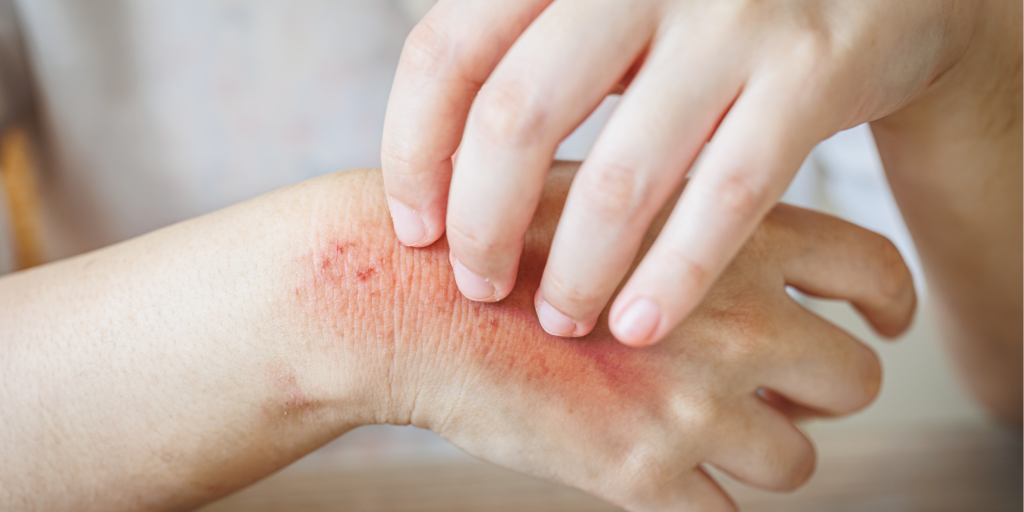
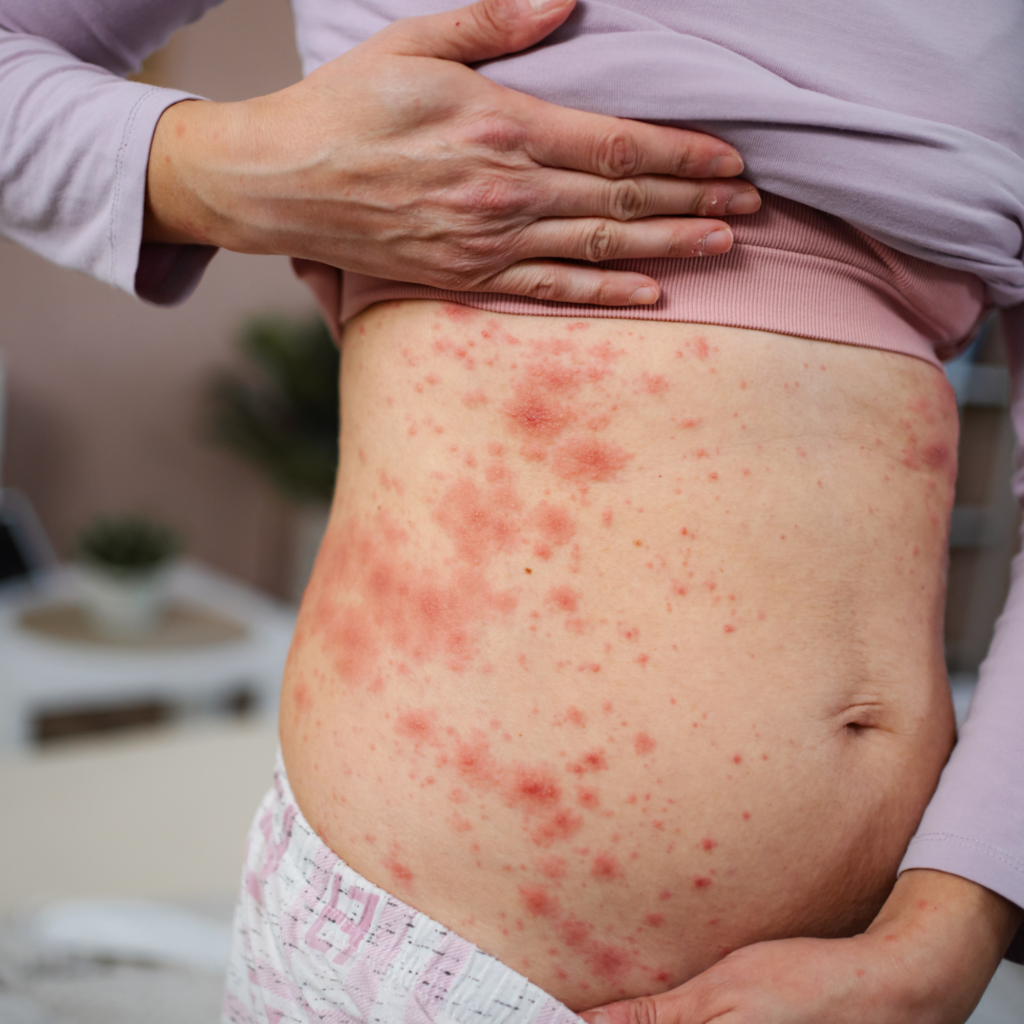
Anxiety rashes may appear as skin irritation, inflammation, or hives — raised, swollen welts that can vary in size, shape, and itchiness. They may look red, pink, white, or skin-colored and range from small spots to larger patches.
Scratching can make the rash spread and may increase the risk of skin irritation or infection. However, it is not always easy to tell whether a rash is caused by anxiety or another condition.
According to Dr. Chacon, anxiety-related rashes can be difficult to distinguish from other types of rashes because they may look similar. One possible clue is whether the rash appears during periods of increased stress or anxiety.
Who is most susceptible to anxiety rashes?
Research suggests that women in their 30s and 40s may be more likely to experience anxiety-related rashes. According to the Anxiety & Depression Association of America, women are nearly twice as likely as men to experience anxiety.
Other factors, such as family history, high stress levels, poor sleep, and unhealthy eating habits, may also increase the likelihood of anxiety symptoms and stress-related skin reactions. Maintaining healthy lifestyle habits and managing stress may help support both mental and skin health.SHOULD YOU BE WORRIED ABOUT AN ANXIETY RASH?
In most cases, an anxiety rash is not a serious concern and may improve once stress levels decrease. According to Dr. Chacon, these rashes often resolve on their own when a person is able to relax and manage stress.
However, medical advice should be considered if the rash lasts more than a few days, becomes more uncomfortable, worsens, or appears with other symptoms. Stress can also trigger flare-ups of conditions such as Crohn’s disease, colitis, and fibromyalgia.
If a rash continues for more than six weeks or becomes recurring, consider consulting a dermatologist or healthcare provider.
While anxiety rashes are usually harmless, it is important to rule out more serious causes, such as allergic reactions or infections. Warning signs that may require medical attention include:
- A rash that appears suddenly and spreads quickly may be a sign of an infection or allergic reaction to food, medication, or another trigger. Some infections that can cause rashes include cellulitis, shingles, mononucleosis, and measles.
- Seek emergency medical care if a rash is accompanied by fever, swelling of the tongue or throat, or difficulty breathing, as these may indicate a serious allergic reaction.
- Rashes that begin to blister or develop into open sores may require medical attention, especially if blisters appear around the eyes, mouth, or genital area.
- Excessive scratching can increase the risk of infection because bacteria naturally found on the skin can enter damaged areas. Signs of infection may include yellow or green discharge, swelling, crusting, warmth, or red streaks spreading from the rash.
- Contact a healthcare provider if the rash becomes painful, worsens, or does not improve.
How are anxiety rashes diagnosed?
Rashes can be evaluated by a primary care physician, dermatologist, or allergist. Diagnosis usually begins with a detailed medical history, including when the rash started, symptoms, possible triggers, and any medications being taken.
A healthcare provider will examine the rash and may recommend additional tests, such as blood tests, allergy testing, skin biopsies, or skin cultures, to help identify the cause.
According to Dr. Chacon, evaluating a possible anxiety rash typically includes a physical examination, review of medical history, and discussion of recent stressors. In some cases, allergy testing may be needed to rule out other possible causes.
ANXIETY RASH TREATMENT AND PREVENTION
The itching, irritation, and inflammation caused by an anxiety rash can be uncomfortable. Simple home remedies such as cold compresses, ice packs, and oatmeal baths may help soothe symptoms.
Treatment options may include hydrocortisone cream and over-the-counter antihistamines such as Benadryl, Claritin, Allegra, or Zyrtec. In some cases, a healthcare provider may prescribe an oral steroid such as prednisone for more severe symptoms.
According to Dr. Chacon, over-the-counter creams can help temporarily reduce itching and inflammation, but they do not address the root cause. Since an anxiety rash is often a physical response to emotional stress, managing the underlying anxiety is an important part of long-term care.
People who frequently experience anxiety-related rashes may benefit from support through stress management strategies or working with a mental health professional.
These days, it can be difficult to avoid anxiety, but some lifestyle changes can help:

Take a break from the news

Eat healthily

Get a minimum of seven hours of sleep a night

Make time to unwind

Exercise

Practice mindfulness.

Do not self-medicate
According to Dr. Bassett, managing the stress response can be challenging and may require a comprehensive approach that combines proper evaluation, lifestyle strategies, and medication when needed.
Addressing the underlying causes of stress and anxiety can help break the cycle of itchy skin and recurring hives, leading to better symptom control and overall well-being.
The bottom line
Anxiety rashes have become more common as stress levels continue to rise in everyday life. While they can be itchy and uncomfortable, many anxiety-related rashes improve on their own within a short period and may respond to treatments such as over-the-counter antihistamines or hydrocortisone cream.
If a rash lasts longer than six weeks, continues to worsen, or keeps returning, it is important to consult a healthcare provider. Anxiety rashes can sometimes be confused with other conditions, including allergic reactions, infections, or other medical issues.
Seek immediate medical attention if a rash is accompanied by fever, difficulty breathing, swelling of the face, tongue, or throat, or other serious symptoms.
For people who frequently experience anxiety-related rashes, addressing the underlying stress and anxiety through stress management techniques, lifestyle changes, and support from a mental health professional may help reduce future flare-ups. A healthcare provider can help determine the cause and recommend the most appropriate treatment.