Why tick bites are in the news

One Tiny Bite Can Cause a Much Bigger Health Problem

Tick bites are receiving increased attention—and not simply because more people are spending time outdoors.

In April 2026, the CDC reported that weekly emergency-room visits for tick bites were higher than usual in many areas. Every U.S. region except the South Central region recorded its highest rate for that time of year since 2017. The CDC estimates that approximately 31 million people in the United States are bitten by ticks annually. Read the CDC’s 2026 announcement.

Why tick bites matter

Ticks can spread illnesses including:
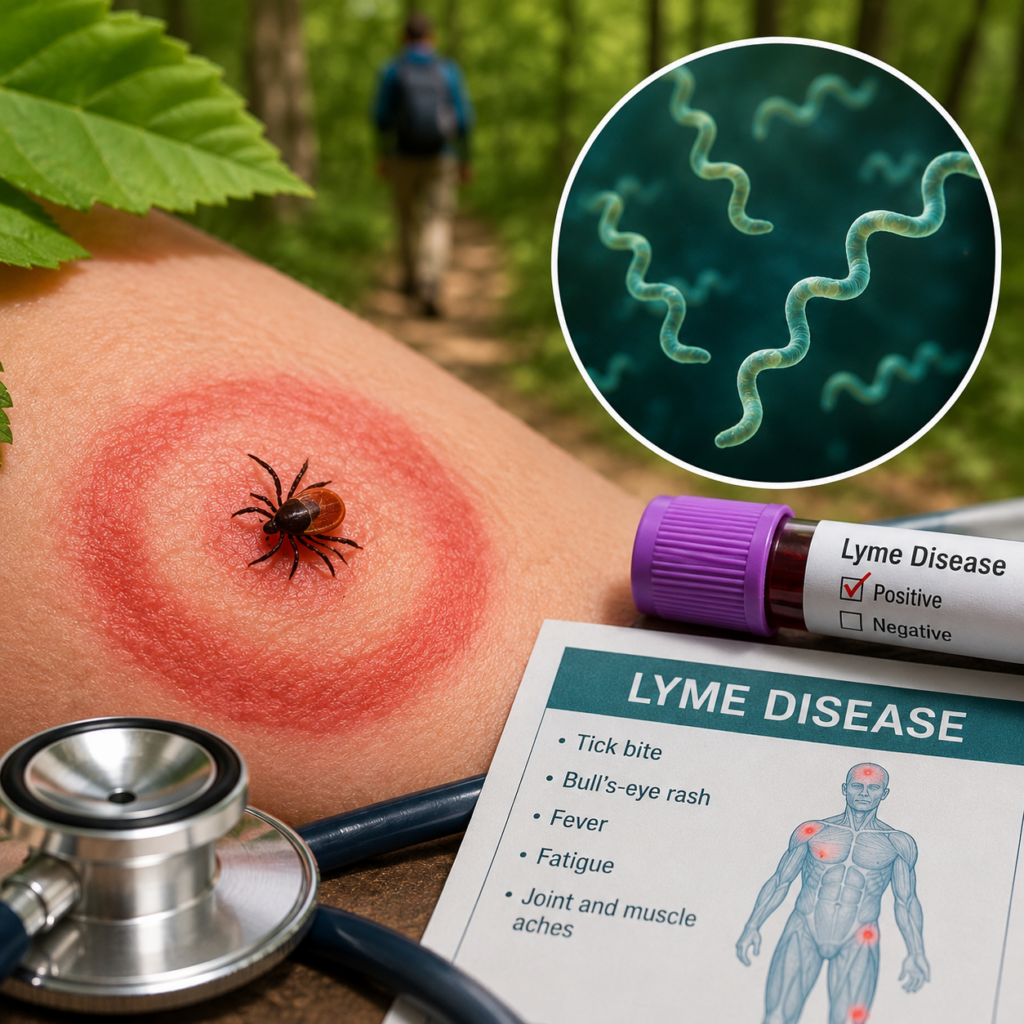
Lyme disease
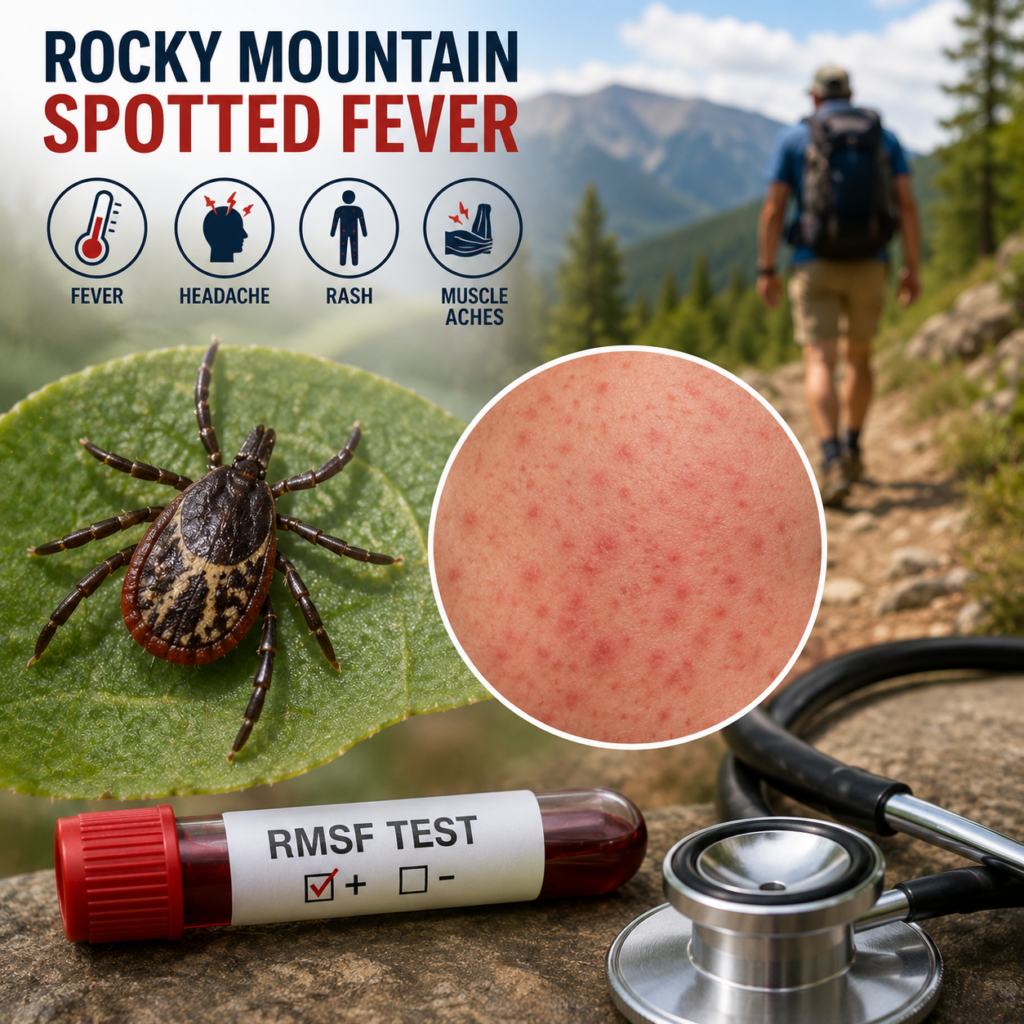
Rocky Mountain spotted fever
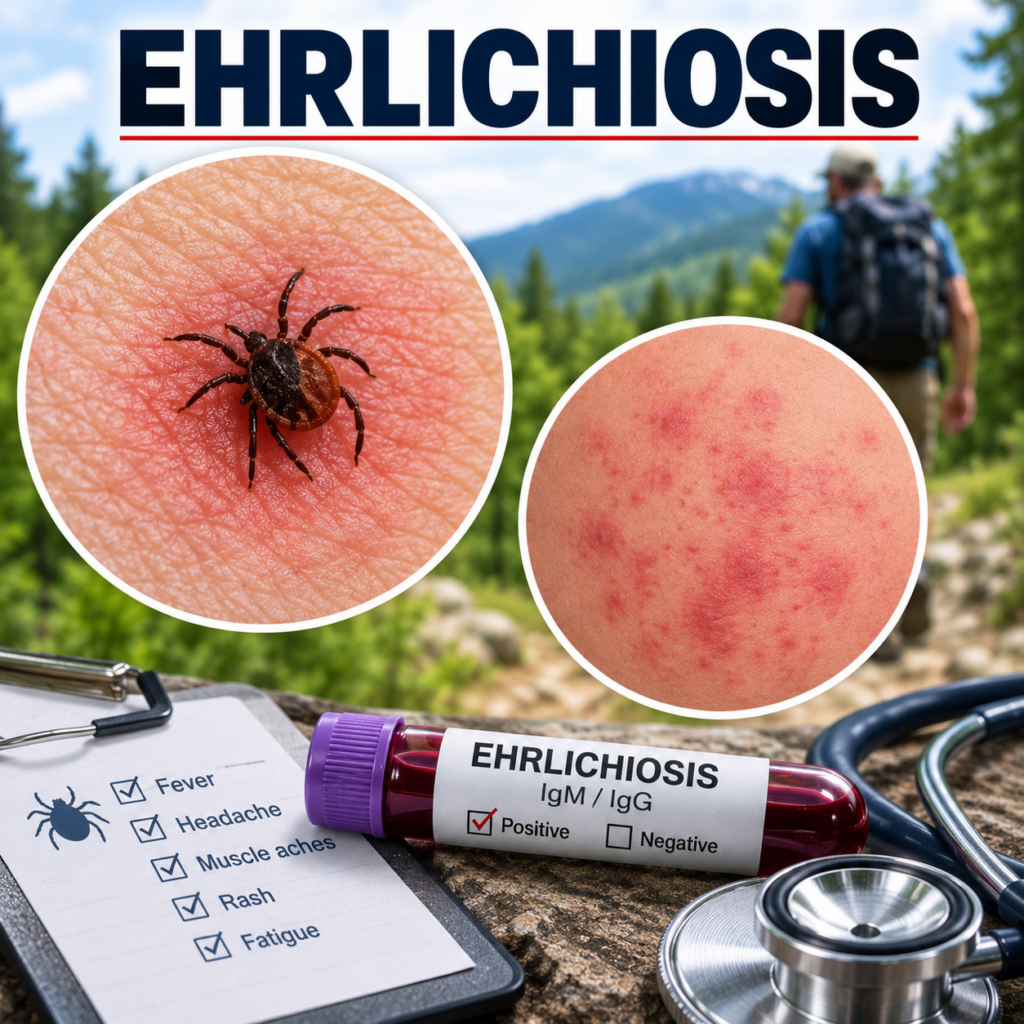
Ehrlichiosis
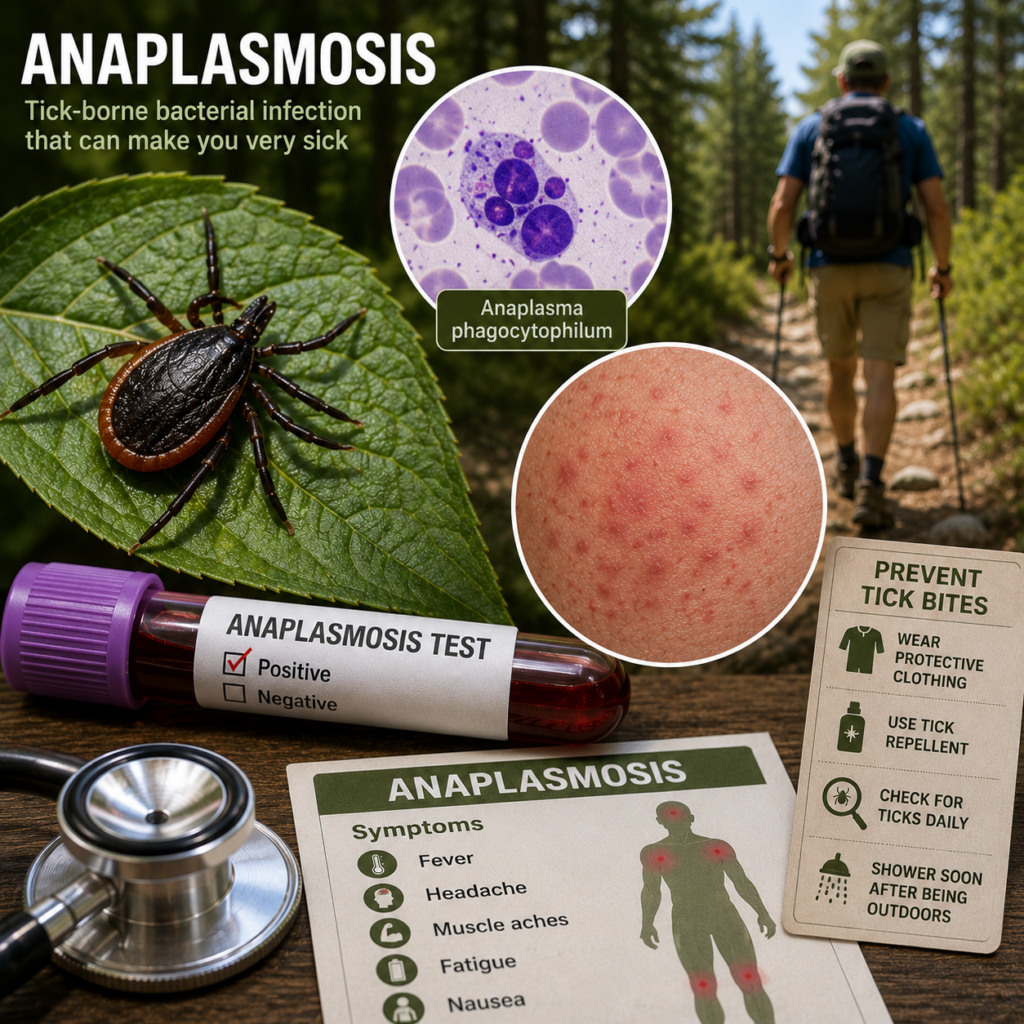
Anaplasmosis
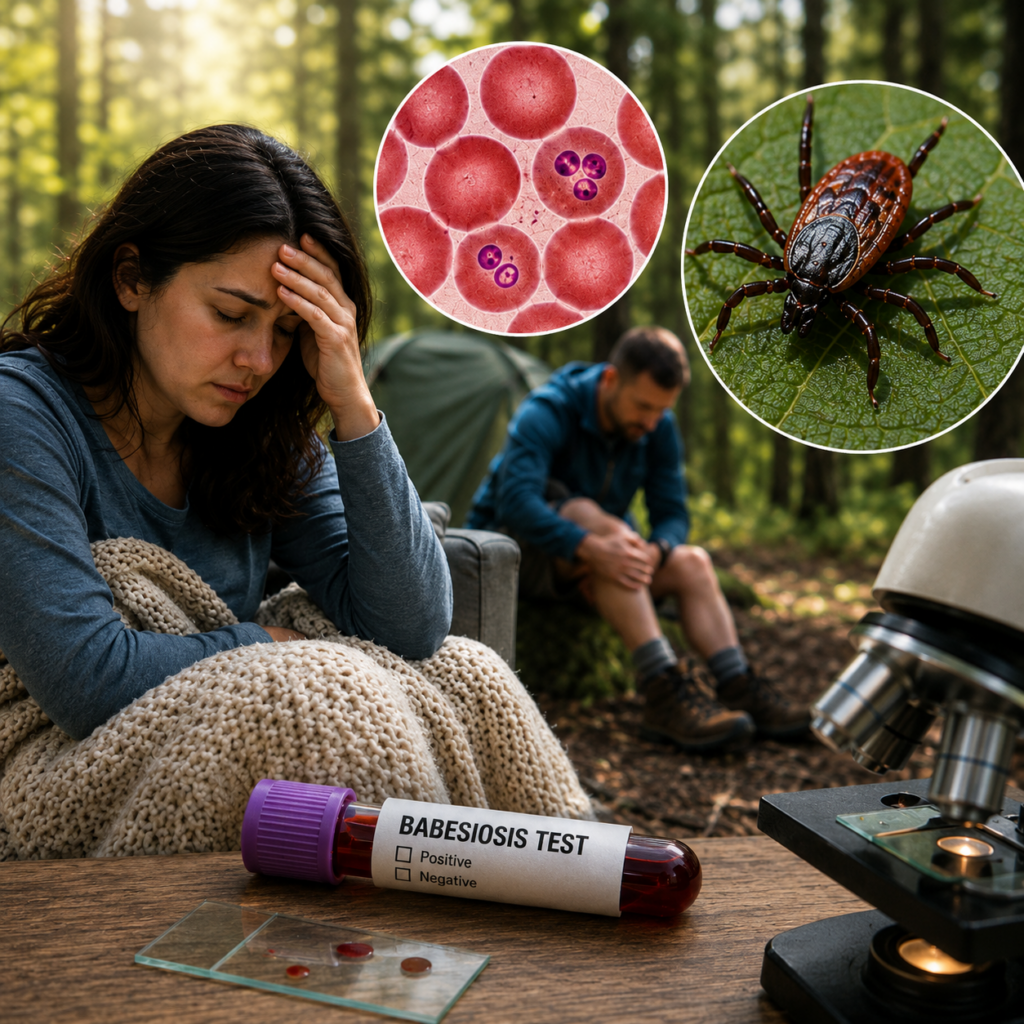
Babesiosis
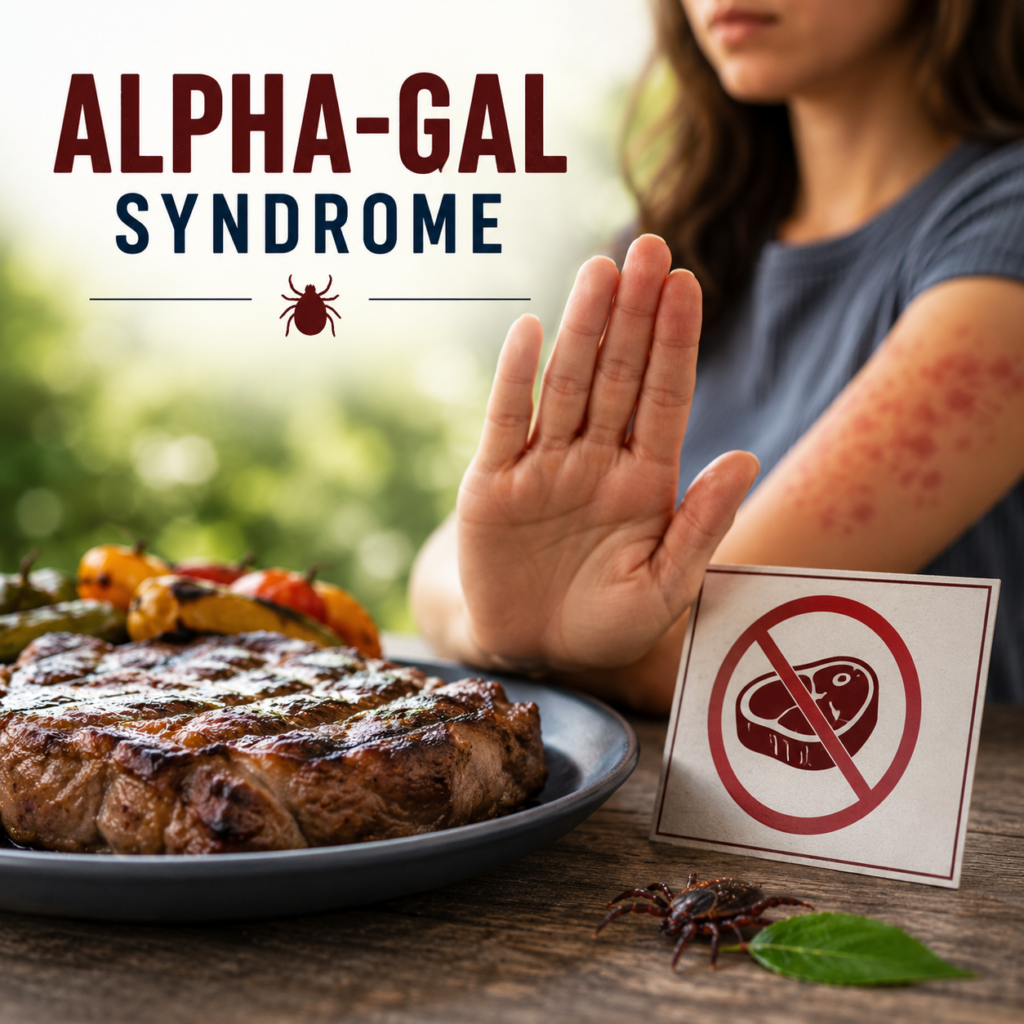
Alpha-gal syndrome
Not every tick carries disease, and not every bite causes an infection. However, early prevention, removal and symptom awareness matter.

Reduce your chances of being bitten

When entering wooded, brushy or grassy areas:
  • Use an EPA-registered insect repellent.
  • Consider permethrin-treated clothing and gear.
  • Wear long pants and tuck pant legs into socks.
  • Walk near the center of maintained trails.
  • Check your clothing, children, pets and body afterward.
  • Shower soon after returning indoors.
  • Dry clothing on high heat when appropriate.
Pay close attention to the scalp, behind the ears, under the arms, around the waist, behind the knees and between the legs.

What to do if you find a tick

Use fine-tipped tweezers to grasp the tick close to the skin. Pull upward with steady, even pressure. Avoid twisting, crushing or covering it with substances intended to make it detach.
Clean the bite area and your hands after removal. You generally do not need to visit an emergency room solely to remove an attached tick.

Watch for symptoms

Contact a healthcare professional if you develop a rash, fever, headache, unusual fatigue, muscle aches or joint pain in the days or weeks following a bite or possible exposure. Do not wait for a classic “bull’s-eye” rash; tick-related illnesses can present in different ways.
Prevention remains the best protection: repel, check, remove and monitor.