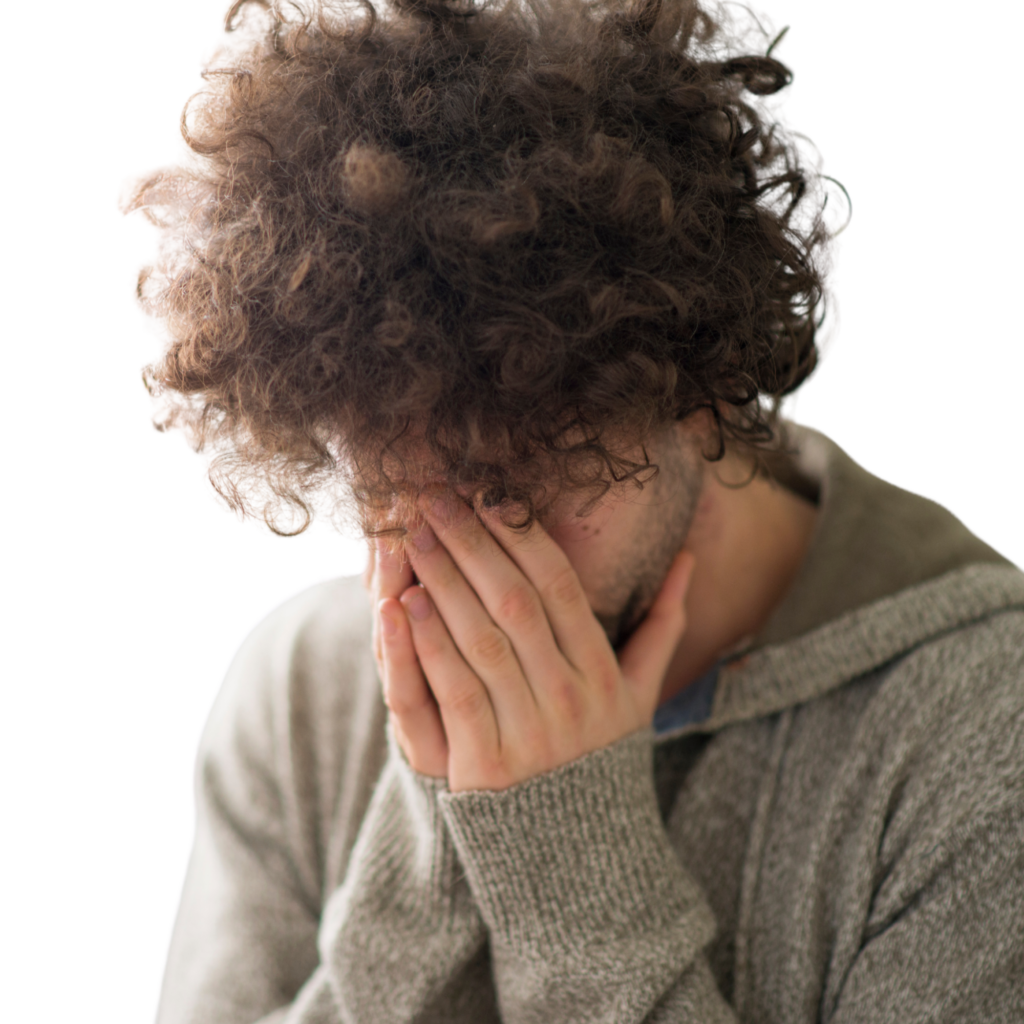
Anxiety can affect people in different ways, including racing thoughts, sleep problems, a pounding heartbeat, trouble concentrating, or a persistent sense of worry. For some, it comes and goes during stressful periods, while for others, it can interfere with daily life, relationships, and overall well-being.
Persistent or severe anxiety should be discussed with a healthcare professional. However, certain research-supported lifestyle habits may help manage anxious feelings and promote emotional wellness. These include regular exercise, mindfulness, breathing exercises, spending time outdoors, and limiting triggers such as excessive caffeine or alcohol.
Natural Anxiety Relief Options to Try
Our backpacks are designed with thoughtful features to make everyday life easier, more organized, and stylish. Every detail is built with comfort, convenience, and durability in mind.
1. Move Your Body Regularly
Exercise is one of the most helpful lifestyle habits for managing anxiety. You don’t need an intense workout to benefit — activities like walking, dancing, biking, swimming, or yoga can support mood and help release feel-good chemicals.
Even a simple daily walk can shift your focus, reduce nervous energy, and help you feel more relaxed.
2. Practice Mindfulness
Mindfulness can help shift your focus away from anxious thoughts and back to the present moment. A simple approach is the 3-3-3 method: identify three things you can see, three things you can hear, and move three parts of your body.
Other calming activities, such as coloring, knitting, journaling, or reading, can also give your mind something positive to focus on.
3. Use Calming Breathing Techniques
When anxiety rises, breathing can become quick and shallow. Slow, controlled breathing may help calm the nervous system and ease physical symptoms.
Try inhaling slowly through your nose, holding briefly, then exhaling for longer than you inhale. This may help slow your heart rate and reduce the intensity of anxious feelings.
4. Consider Alternative Therapies
Some people find complementary therapies such as acupuncture, massage, hypnosis, or aromatherapy helpful for relaxation and stress management. These approaches may also complement traditional care.
They should not replace professional mental health treatment, but they can be included as part of a broader wellness plan.
5. Try Adaptive Calming Tools
Weighted blankets, fidget tools, textured objects, doodling, chewing gum, or crunchy snacks can provide sensory input that may help you feel more grounded during stressful moments. These tools are often used to support focus and emotional regulation.
If you use a weighted blanket, choose one that is appropriate for your size and comfort level and avoid using one that feels excessively heavy.
6. Spend More Time Outdoors
Spending time outdoors can help you feel calmer. Fresh air, natural light, and time in nature may help reduce stress, whether you’re taking a walk, gardening, sitting outside, or simply stepping away from screens.
Even a short change of scenery can help interrupt anxious thoughts and give your mind a chance to reset.
7. Sip Herbal Tea
A warm cup of tea can be a simple way to create a calming routine. Chamomile tea is often linked with relaxation, while green tea contains L-theanine, an amino acid that may help promote a calmer mood.
Even if the effects are subtle, taking a moment to pause, breathe, and enjoy a warm drink can be a soothing part of your day.
8. Make Time for Enjoyment
Leisure time is an important part of self-care, not something to feel guilty about. Activities you enjoy, such as listening to calming music, pursuing hobbies, creating a peaceful space, or spending quiet time alone, can help reduce stress and support emotional well-being.
Your mind needs time to recharge, just like your body does.
9. Limit Alcohol and Caffeine
Alcohol may seem calming at first, but it can increase anxiety and disrupt sleep. Caffeine may also contribute to jitters, nervousness, and a faster heartbeat, particularly for people who are sensitive to it.
Cutting back on caffeine, alcohol, and recreational substances may help support a steadier mood and better sleep.
10. Support Your Body With Nutritious Food
A balanced diet can support both mental and physical well-being. Fruits and vegetables, omega-3 fatty acids, water, probiotics, and other nutrient-rich foods can help support healthy body function.
Food is not a cure for anxiety, but nourishing your body can help you better manage everyday stress and support overall wellness.
Remedies to Be Careful With
Not every “natural” remedy is safe or effective. Herbal supplements may be poorly regulated and can interact with medications. Essential oils may help some people relax, but evidence for many of their claimed benefits is limited. Marijuana, cannabis, and CBD may also worsen anxiety in some people, particularly with frequent use or improper dosing.
Most importantly, never stop anxiety medication suddenly or replace prescribed treatment with natural remedies without first speaking with your healthcare provider.
When Natural Remedies Are Not Enough
If anxiety starts affecting your work, school, relationships, sleep, or daily life, it may be time to seek professional support. Therapies such as cognitive behavioral therapy, talk therapy, and acceptance and commitment therapy can be effective options.
Medication may also be appropriate for some people. A healthcare provider can help determine the safest treatment based on your symptoms, health history, and current medications.
When to See a Doctor
Talk with a healthcare professional if anxiety feels overwhelming, persistent, or difficult to manage. Some medical conditions, including thyroid problems, heart conditions, and blood sugar changes, can cause symptoms similar to anxiety.
Getting evaluated can help identify the underlying cause and determine the most appropriate treatment for your needs.
Final Thoughts
Natural approaches can be useful for managing anxiety, especially when practiced consistently. Exercise, breathing techniques, mindfulness, time outdoors, healthy sleep habits, and a balanced diet can all support emotional and physical well-being.
But you don’t have to handle anxiety on your own. If symptoms are affecting your quality of life, consider reaching out to a healthcare or mental health professional. With the right support and tools, managing anxiety can become more manageable.