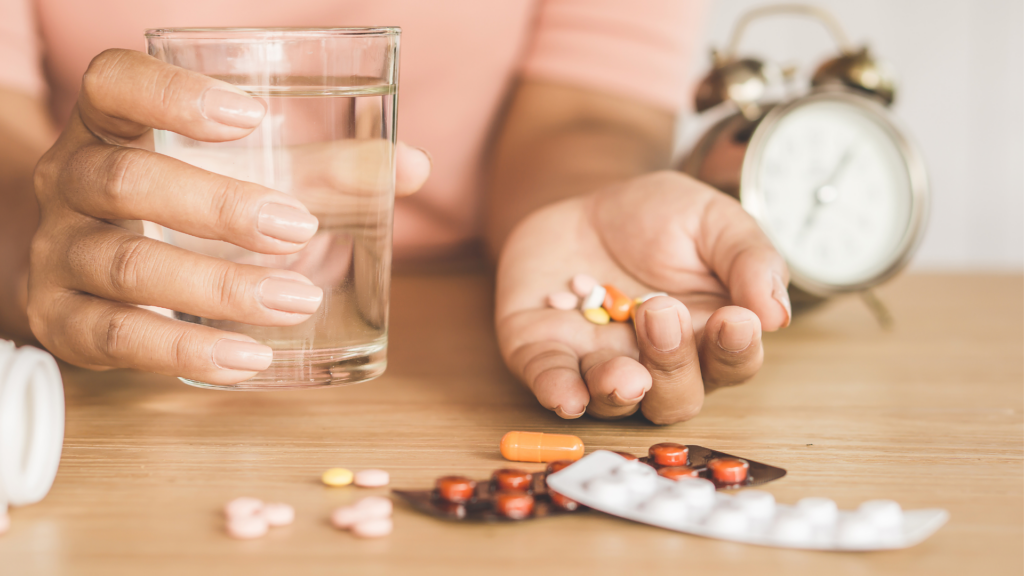
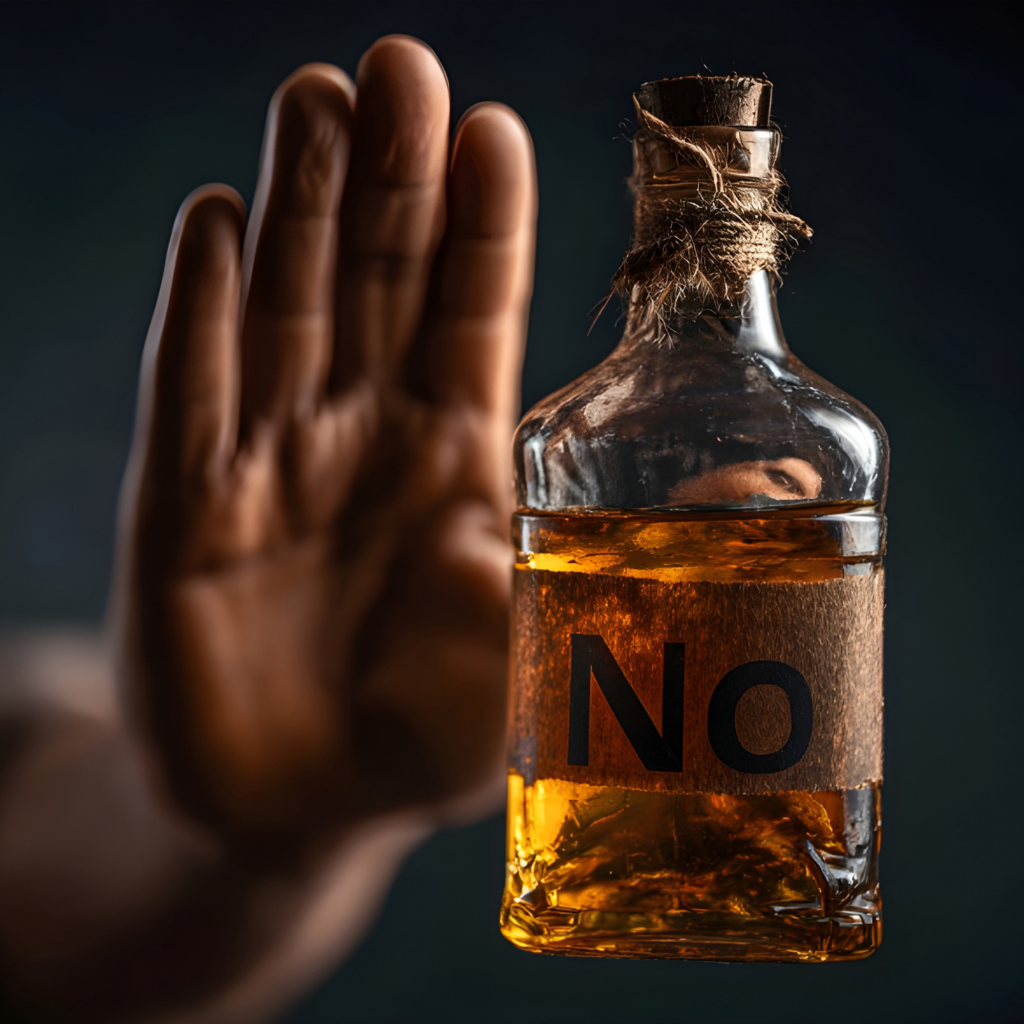
Can You Drink Alcohol While Taking Wellbutrin?
Wellbutrin is the brand name for bupropion, a prescription medication commonly used to treat major depressive disorder and seasonal affective disorder. Bupropion is also used in certain medications designed to support smoking cessation and may be included in some treatments for weight management.
If you’re taking Wellbutrin, you might be wondering whether having alcohol occasionally—such as during dinner, celebrations, or social gatherings—is safe. Even a small amount of alcohol may affect people differently while taking bupropion, which is why combining the two is generally discouraged.
Drinking alcohol while taking Wellbutrin may increase the likelihood of side effects such as dizziness, nausea, confusion, mood or behavioral changes, and seizures. Because individual risks can vary, it’s important to speak with your healthcare provider about alcohol use while taking bupropion.
Why Alcohol and Wellbutrin Can Be Risky
Wellbutrin works differently from many other antidepressants by affecting norepinephrine and dopamine, brain chemicals linked to mood, motivation, and focus.
Alcohol also affects the brain and nervous system. When combined with Wellbutrin, the effects may become unpredictable. Some people may feel intoxicated more quickly, experience stronger side effects, or notice changes in mood, thinking, or behavior.
Because these reactions can vary, talk with your healthcare provider before drinking alcohol while taking Wellbutrin.

Can You Drink While Taking Wellbutrin?
In general, avoiding alcohol while taking Wellbutrin is often recommended, especially when starting treatment, adjusting your dose, or learning how the medication affects you.
Some people who have taken Wellbutrin for a while may be able to drink small or moderate amounts with guidance from a healthcare professional. However, alcohol may still increase the risk of side effects.
If you regularly drink heavily, do not stop suddenly without medical advice. Alcohol withdrawal can raise seizure risk, and Wellbutrin may increase that risk further. Talk with your healthcare provider before making major changes to your alcohol use.
Increased Risk of Seizures
One of the biggest risks of combining Wellbutrin with alcohol is the increased chance of seizures.
Wellbutrin can lower the seizure threshold, which may make seizures more likely in certain people. Alcohol may also raise this risk, especially with heavy drinking, binge drinking, or sudden alcohol withdrawal.
Increased Risk of Seizures:
Have a history of seizures
Take higher doses of Wellbutrin
Drink heavely
Stop drinking suddenly after regular alcohol use
Have an eating disorder
history
Take other medications that increase seizure risk
Alcohol May Worsen Depression
Alcohol may feel calming at first, but over time it can negatively affect mood, sleep, judgment, motivation, and overall mental well-being.
For people taking Wellbutrin for depression or seasonal affective disorder, drinking alcohol may interfere with treatment and make symptoms more difficult to manage. In some cases, it may also contribute to worsening depression or suicidal thoughts.
If alcohol is becoming a way to cope with stress, sadness, or anxiety, consider speaking with a healthcare professional. Therapy, counseling, support groups, and treatment programs are available to help.
Side Effects May Become Stronger
Alcohol can intensify common Wellbutrin side effects. These may include:
Dizziness
Nausea
Vomiting
Confusion
Drowsiness
Headache
Poor coordination
Impaired judgment
Trouble concentrating
These effects can make everyday activities more dangerous, especially driving, working, caring for others, or operating machinery.
Even if you usually tolerate alcohol well, Wellbutrin may change how your body responds.
You May Feel Alcohol Faster Than Usual
Some people taking Wellbutrin may become more sensitive to alcohol, meaning even a smaller amount can affect them more than usual.
You may feel intoxicated faster, experience stronger hangovers, or have more difficulty managing how much you drink. This can be risky if you assume your usual alcohol tolerance has not changed.
Some Reactions Can Be Unpredictable
People can react differently when alcohol and Wellbutrin are combined. Some may experience increased anxiety, agitation, irritability, confusion, or unusual changes in behavior. In some cases, hallucinations may also occur.
If you develop severe confusion, unusual thoughts or behavior, hallucinations, or worsening depression after drinking while taking Wellbutrin, seek medical attention promptly.
Who Has a Higher Risk of Problems?
Some people may be more likely to experience serious side effects from mixing alcohol and Wellbutrin.
This includes people who:
Are older adults
Have kidney problems
Have liver problems
Have a history of
seizures
Have a history of heavy
alcohol use
Are starting Wellbutrin for the first time
Take multiple
medications
Have a history of eating disorders
Are experiencing alcohol withdrawal
Older adults may be more sensitive to both medication and alcohol because of changes in kidney and liver function. People with kidney problems may also have a harder time clearing the medication from the body, which can increase side effect risk.
How Long Should You Wait After Stopping
Wellbutrin to Drink?
Wellbutrin may remain in your body for several days after your last dose, and it can take roughly four to five days for most of the medication to leave your system.
Do not skip doses or stop taking Wellbutrin simply to drink alcohol. Suddenly changing your medication may cause unwanted symptoms or worsen depression. Always talk with your healthcare provider before making changes to your treatment.
Are Other Antidepressants Safer With Alcohol?
Alcohol can interact with most antidepressants. While the risks may vary depending on the medication, alcohol can increase side effects such as sleepiness, dizziness, confusion, poor coordination, and worsened mood.
Antidepressants that may be affected by alcohol include:
– SSRIs, such as Prozac, Zoloft, and Lexapro
– SNRIs, such as Cymbalta, Effexor XR, and Pristiq
– Tricyclic antidepressants, such as amitriptyline and nortriptyline
– MAOIs, such as phenelzine and tranylcypromine
Older antidepressants, especially tricyclic antidepressants and MAOIs, may carry higher risks when combined with alcohol. MAOIs can also interact dangerously with certain alcoholic drinks, including some beers and wines.
There is no antidepressant that is completely risk-free to mix with alcohol, so it is always best to ask your provider what is safe for your specific situation.
What to Do Instead of Drinking
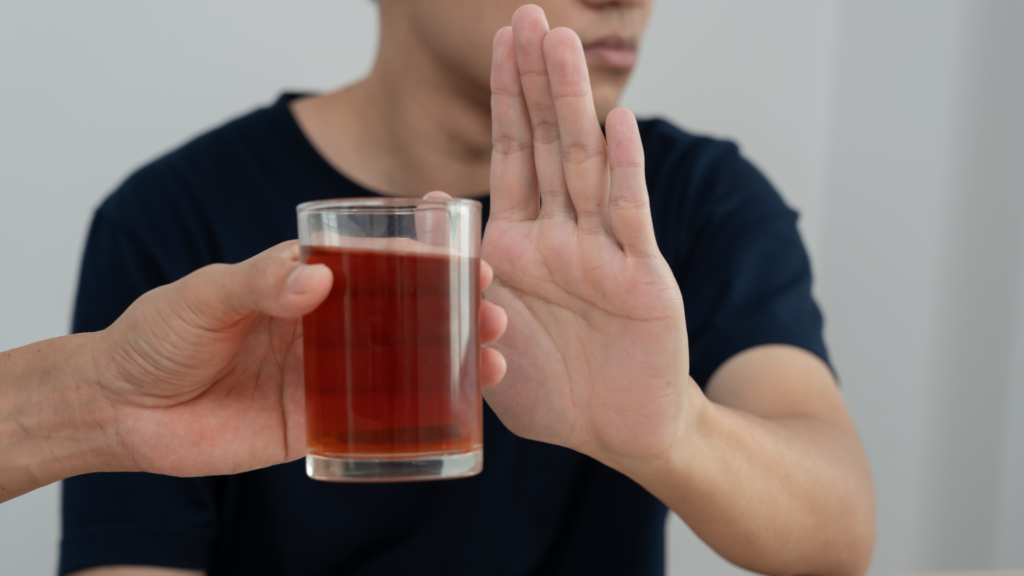
You can still enjoy social events while avoiding alcohol on Wellbutrin. Try nonalcoholic choices like sparkling water, mocktails, flavored tea, or alcohol-free beer and wine alternatives.
Planning ahead can also help. Bring your own drink, let someone you trust know you are not drinking, or simply say, “I’m avoiding alcohol because of a medication.”
Choosing not to drink does not mean you have to miss out on social moments.
The Bottom Line
Drinking alcohol while taking Wellbutrin is generally discouraged because the combination may increase the risk of seizures, worsen depression, increase side effects, and lead to unpredictable reactions.
Some people may be able to drink small amounts while taking Wellbutrin, but only after discussing it with a healthcare provider. This is especially important for older adults, those with kidney concerns, people who drink heavily, or anyone with a history of seizures.
Do not skip doses or stop taking Wellbutrin just to drink alcohol. Always consult your healthcare provider before making changes to your medication or alcohol use.
Your treatment should always prioritize your safety, stability, and overall well-being.
Source: SingleCare