
How Long Does It Take for Bupropion (Wellbutrin) to Work?
If you’ve been prescribed bupropion, better known by brand names like Wellbutrin or Zyban, you might be wondering when you’ll start to feel a difference. The short answer: some improvement can appear within the first one to two weeks, but the full effects may take several weeks to develop.
Let’s take a closer look at how this medication works, what can affect how fast it starts helping, and what to expect along the way.
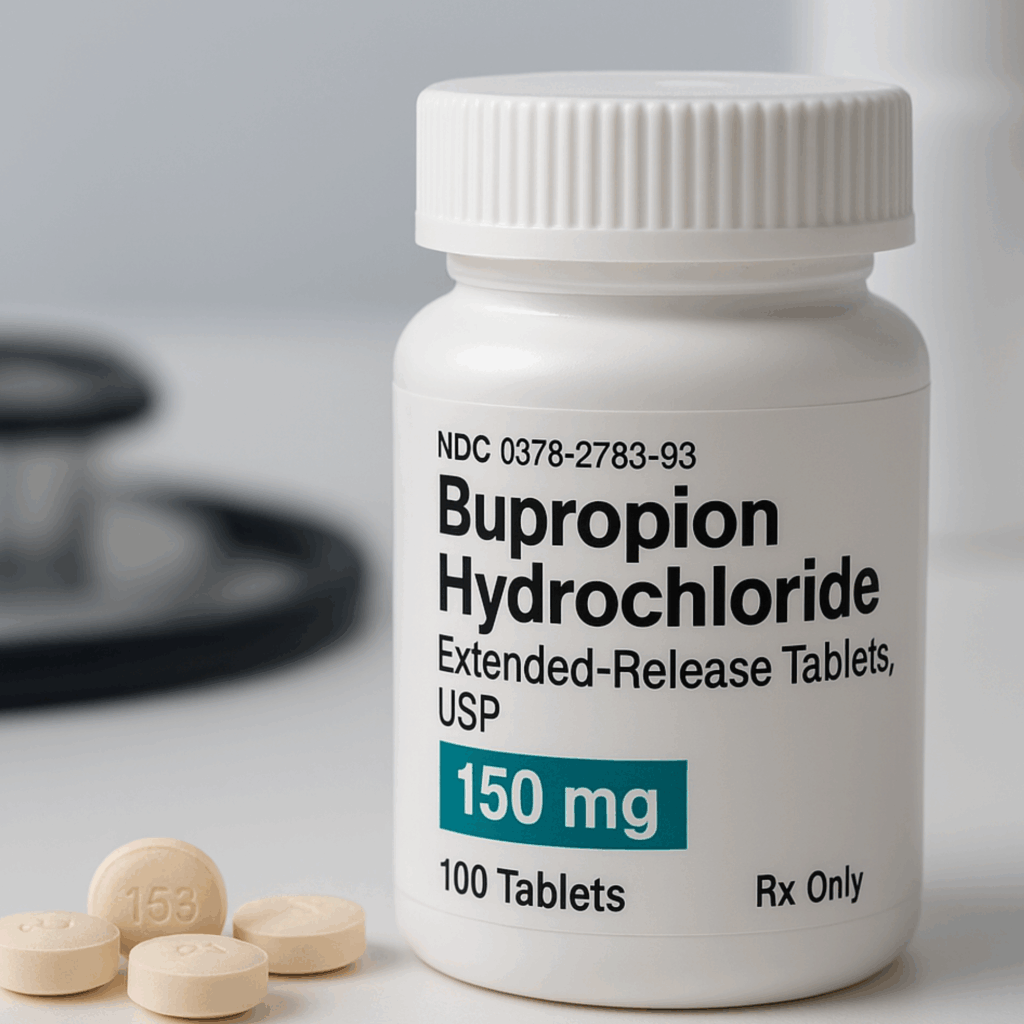
What Is Bupropion?
Bupropion is an antidepressant that works differently from many other common medications in its class. It helps treat:
-
Major depressive disorder (MDD)
-
Seasonal affective disorder (SAD)
-
Smoking cessation (under the brand name Zyban)
Unlike some antidepressants that focus on serotonin, bupropion increases the activity of dopamine and norepinephrine—two brain chemicals that play key roles in mood, motivation, and energy.
As Dr. Shaina Schwartz, Pharm.D., explains, “One of the theories behind depression is that levels of dopamine and norepinephrine are too low. Bupropion helps restore these levels, which can improve mood and motivation.”
When Does Bupropion Start Working?
Most people begin noticing small improvements—such as more energy, better focus, or improved sleep—within one to two weeks of starting the medication. However, it can take up to six weeks (sometimes longer) to feel the full antidepressant benefits.
Dr. Brian Zachariah, a board-certified psychiatrist, notes that “symptoms like energy and appetite may improve first, while mood and motivation can take longer to stabilize.”
How the Form of Bupropion Affects Timing
Bupropion comes in three different forms, which can influence how quickly it takes effect:
|
Form
|
How Often It’s Taken
|
When It Starts Working
|
|---|---|---|
|
Immediate-release (IR)
|
Multiple times per day
|
Within a few hours
|
|
Sustained-release (SR)
|
Twice daily
|
Within 3–4 hours
|
|
Extended-release (XL)
|
Once daily
|
Within 5–6 hours, providing steady coverage throughout the day
|
Bupropion comes in three different forms, which can influence how quickly it takes effect:
What Factors Can Affect How Fast It Works?
Several factors can influence how quickly bupropion begins to take effect and how well it works:
-
Food intake: Taking bupropion with food can slow absorption slightly—but may help if it upsets your stomach.
-
Age and liver function: These can affect how your body metabolizes the drug.
-
Other medications: Some drugs can increase or decrease bupropion’s effectiveness (see interactions below).
-
Bariatric surgery: Changes to your digestive system can alter how well the medication is absorbed.
-
Caffeine: Combining high doses of caffeine with bupropion may increase anxiety, restlessness, or insomnia.
-
Supplements: Products like St. John’s wort may interfere with bupropion’s effects.

Since each person’s body chemistry is unique, two people on the same dosage may not notice improvement at the same time.
Typical Dosage and Use
According to Dr. Schwartz, the standard daily dose for most adults is 300 mg,
either as a single dose (XL form) or divided doses (SR or IR).
Always take the medication exactly as prescribed—skipping doses or taking more than directed can increase side effects or delay improvement.
Who Should Avoid Bupropion?
Bupropion is generally safe for many adults, but certain people should avoid it unless otherwise advised by a healthcare provider. These include individuals who:
-
Have a history of eating disorders like bulimia or anorexia
-
Have a seizure disorder
-
Have severe head trauma or a brain tumor
-
Take monoamine oxidase inhibitors (MAOIs) or linezolid
-
Have uncontrolled high blood pressure
-
Are allergic to bupropion or its ingredients
If you’re pregnant, breastfeeding, or planning to become pregnant, discuss the potential risks and benefits with your provider.

Possible Drug Interactions
Some medications can change how bupropion works or increase side effects. Common examples include:
-
Ticlopidine and clopidogrel – slow down bupropion metabolism, increasing levels in your system.
-
Lopinavir and ritonavir – speed up metabolism, potentially reducing effectiveness.
-
Dopaminergic drugs (like levodopa or amantadine) – can increase the risk of nervous system toxicity.
-
MAOIs – may cause dangerous spikes in blood pressure when combined.
Always share your complete medication list (including supplements) with your healthcare provider before starting bupropion.
How to Support Its Effectiveness
While there’s no way to make bupropion “kick in” faster, there are ways to support your mental and physical health while it takes effect:
— Take your medication consistently, at the same time each day.
— Follow a balanced diet and stay hydrated.
— Get regular exercise—it can enhance the antidepressant effects.
— Maintain a steady sleep routine.
—Avoid alcohol and excess caffeine.
Always share your complete medication list (including supplements) with your healthcare provider before starting bupropion.
The Bottom Line
Bupropion (Wellbutrin) often begins showing benefits within one to two weeks, but for full symptom relief, it can take four to six weeks or longer. Everyone’s response is different, and factors like medication form, dosage, and individual health can affect timing.
If you’re not seeing progress after several weeks—or if you experience troubling side effects—don’t stop taking it abruptly. Instead, reach out to your healthcare provider. They can help adjust your dosage or explore alternative treatments to help you feel your best.