Do Antibiotics Make You Thirsty?

Do Antibiotics Make You Thirsty? What You Need to Know

Antibiotics are important medications used to treat bacterial infections such as pneumonia, strep throat, and urinary tract infections. While they are commonly prescribed, their connection to thirst and dry mouth is not always discussed.

Can Antibiotics Cause Thirst?

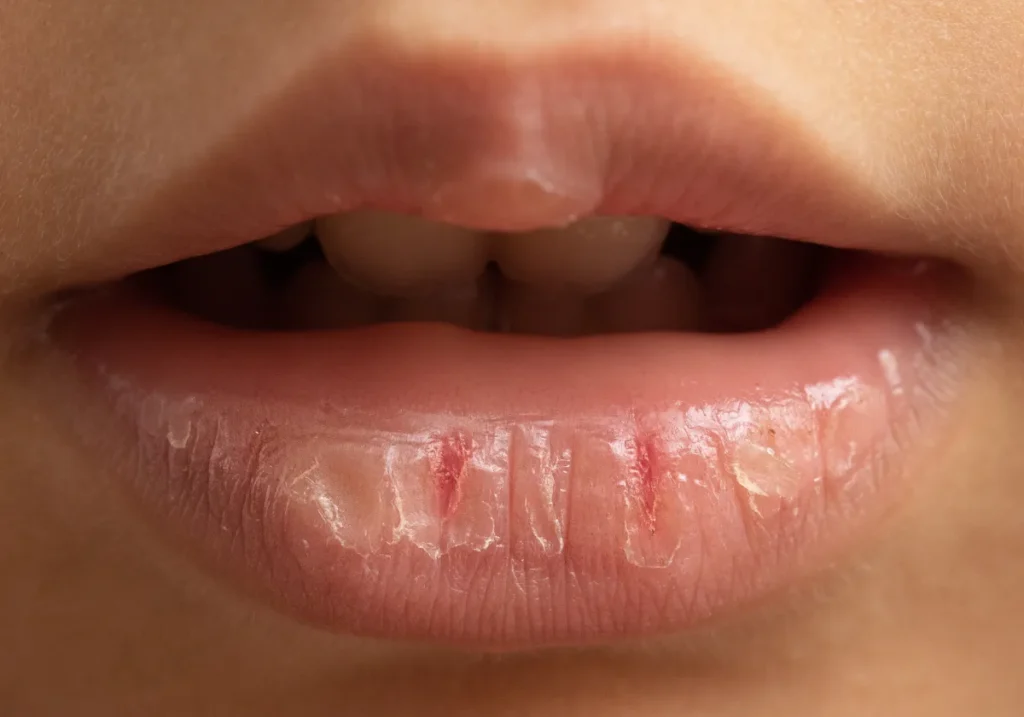
Some antibiotics do not directly cause dehydration, but they may reduce saliva production, which can lead to dry mouth and increased thirst. Since saliva is mostly water, lower saliva levels can make you feel more thirsty.
Do Antibiotics Cause Dehydration?

Antibiotics themselves do not directly cause dehydration, but certain side effects, such as diarrhea or vomiting, can result in fluid loss. Dry mouth alone does not always mean you are dehydrated, but digestive issues can increase the risk of dehydration.

Signs you may be dehydrated include:

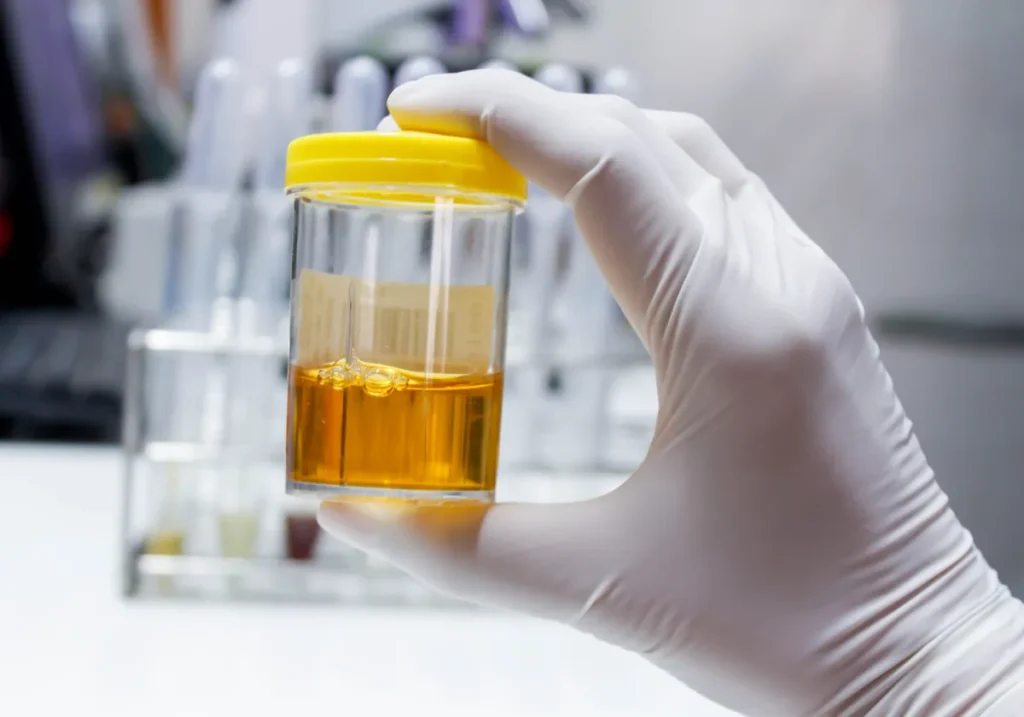
Low urine output or dark urine
Confusion or dizziness
Severe dry mouth
Persistent vomiting or diarrhea

Antibiotics linked to dry mouth include:

                    • Penicillins (e.g., amoxicillin)
                    • Clindamycin
                    • Metronidazole
                    • Macrolides (erythromycin, clarithromycin, azithromycin)
                    • Tetracyclines (doxycycline, tetracycline)
                    • Linezolid
                    • Fluoroquinolones (ciprofloxacin)
This side effect is relatively uncommon but can make you reach for extra fluids.

How Much Water Should You Drink on Antibiotics?

Staying hydrated helps support kidney function, waste removal, and proper medication effectiveness. Most adults should aim for around 2–3 liters (8–12 cups) of fluids daily from sources like water, tea, broth, and juice. Limit excessive alcohol and caffeine, as they may contribute to dryness.
If you experience diarrhea or vomiting, oral rehydration solutions with electrolytes may help replace lost fluids. However, people with kidney or heart conditions should consult their healthcare provider for personalized hydration recommendations.

Managing Antibiotic-Related Dry Mouth

Most cases of dry mouth are manageable:
Drink plenty of water
Maintain good oral hygiene
Avoid overly salty or sugary foods that can worsen dryness
Seek medical attention if you notice severe dehydration, persistent vomiting, chest pain, confusion, or trouble breathing.

The Bottom Line

Antibiotics may cause thirst by contributing to dry mouth, but they usually do not cause dehydration directly. The bigger concern is gastrointestinal side effects like diarrhea or vomiting, which can lead to fluid and electrolyte loss.

Staying hydrated, paying attention to symptoms, and consulting your healthcare provider when needed can help you manage side effects safely while your body recovers from an infection.