The Right (and Wrong) Way to Combine Vitamins and Supplements
From collagen and probiotics to herbal blends, Americans love their supplements — and the numbers prove it. According to the latest National Health and Nutrition Examination Survey, 57% of adults over age 20 take at least one dietary supplement. The most popular choices? Multivitamins, vitamin D, and omega-3 fatty acids.
Whether you take them for better health or to fill nutrient gaps, it’s important to know that not all vitamins play well together. Some combinations can block absorption, reduce effectiveness, or even cause unwanted side effects.
Supplements You Shouldn’t Take Together
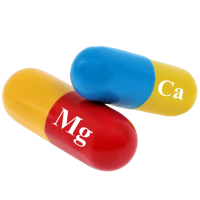
Magnesium and Calcium
These minerals need to be balanced. Too much calcium can block magnesium absorption, which may increase risks for inflammation and heart problems.
Tip: Keep your calcium-to-magnesium ratio in check — ask your healthcare provider for guidance.
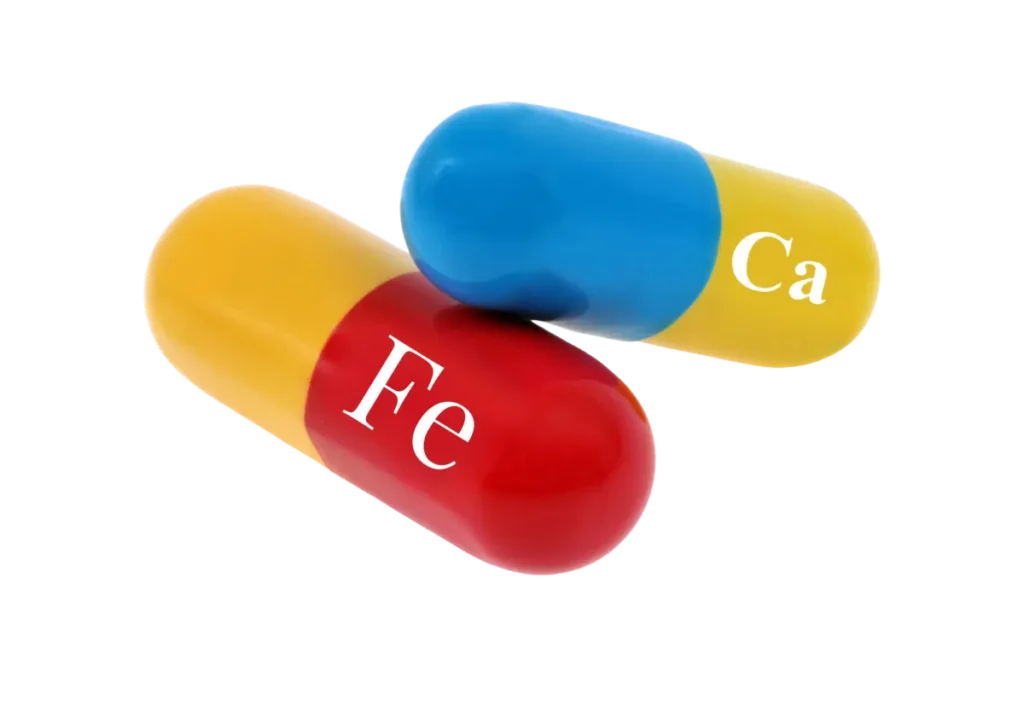
Iron and Calcium
Calcium interferes with iron absorption.
Tip: Take iron and calcium (including dairy) one to two hours apart for best results.
Iron and Green Tea
Green tea’s main compound (EGCG) binds with iron, making it harder to absorb and potentially causing low iron levels.
Tip: Wait two hours after taking iron before drinking green tea.
4. Vitamin C and B12
Vitamin C and B12
Large doses of vitamin C can reduce how much vitamin B12 your body absorbs.
Tip: Take vitamin C at least two hours aftervitamin B12.
Vitamin C and Copper
Taken together, these can cause oxidative stress and kidney damage.
Tip: Space these supplements two to three hours apart.
Fat-Soluble vs. Water-Soluble Vitamins
Fat-soluble vitamins (A, D, E, K) absorb best with food and healthy fats, while water-soluble vitamins (B-complex and C) should be taken on an empty stomach with water.
Vitamins That Work Better Together
Vitamin D + Vitamin K2
These work together to move calcium from your blood into your bones, supporting bone and heart health.
Magnesium + Vitamin D3
Magnesium helps convert vitamin D into a usable form, improving absorption and effectiveness.
Copper + Zinc
Too much zinc can deplete copper levels. If you’re supplementing zinc, consider adding 2 mg of copper to maintain balance.
Omega-3s + Vitamin E
This combo may enhance heart health and help reduce insulin resistance.
Iron + Vitamin C
While studies are mixed, vitamin C may help your body absorb iron more efficiently — and it’s a safe combination to try.
The Bottom Line
Taking supplements can be beneficial — but timing and combinations matter. Always check labels, follow recommended dosages, and consult your healthcare provider before mixing supplements or pairing them with medications.
And remember: the most effective source of vitamins and minerals will always be a balanced, nutritious diet.