More than a third of adults struggle with sleep deprivation — and the consequences go far beyond just feeling tired. Missing out on quality sleep can affect nearly every system in your body, from your brain to your heart. The good news? Understanding the causes and effects of sleep deprivation can help you take meaningful steps toward better rest and better health.
Why Sleep Matters
According to the National Sleep Foundation, adults need 7 to 9 hours of sleep each night. Yet millions of people fall short of that recommendation, whether due to stress, poor habits, or underlying medical conditions.
Sleep isn’t just about feeling refreshed — it’s when your body repairs itself, regulates hormones, and consolidates memory. Without enough of it, both your short- and long-term health can suffer.
What Is Sleep Deprivation?
Sleep deprivation occurs when you consistently fail to get the rest your body needs. This can stem from poor sleep quality, an inconsistent schedule, or disorders like sleep apnea or insomnia.
Your body follows a circadian rhythm, a natural internal clock that regulates your sleep-wake cycle. Disrupting that rhythm — by staying up late, exposing yourself to screens before bed, or managing shift work — can throw your entire system out of sync.
Symptoms of Sleep Deprivation
The symptoms of sleep deprivation can appear gradually, ranging from mild drowsiness to serious cognitive and emotional disturbances.
Common symptoms include:
Fatigue and daytime sleepiness
Difficulty concentrating
Irritability or anxiety
Poor coordination
Increased appetite or weight gain
Dark circles or puffiness under the eyes
If lack of sleep continues, more severe issues can develop — including hallucinations, paranoia, or even deprivation psychosis after several sleepless days.
Causes of Sleep Deprivation
Stress or anxiety
Demanding schedules
Screen time before bed
Caffeine or alcohol use
Medical conditions like sleep apnea, restless leg syndrome, or narcolepsy
Certain medications — such as antidepressants, beta blockers, and stimulants — can also interfere with your ability to fall or stay asleep.
Additionally, as we age, our bodies naturally produce less melatonin, the hormone that helps regulate sleep, which can make restful nights more difficult to achieve.
How Sleep Deprivation Affects Your Body
Sleep deprivation doesn’t just make you cranky — it can disrupt nearly every bodily system. Here’s how:
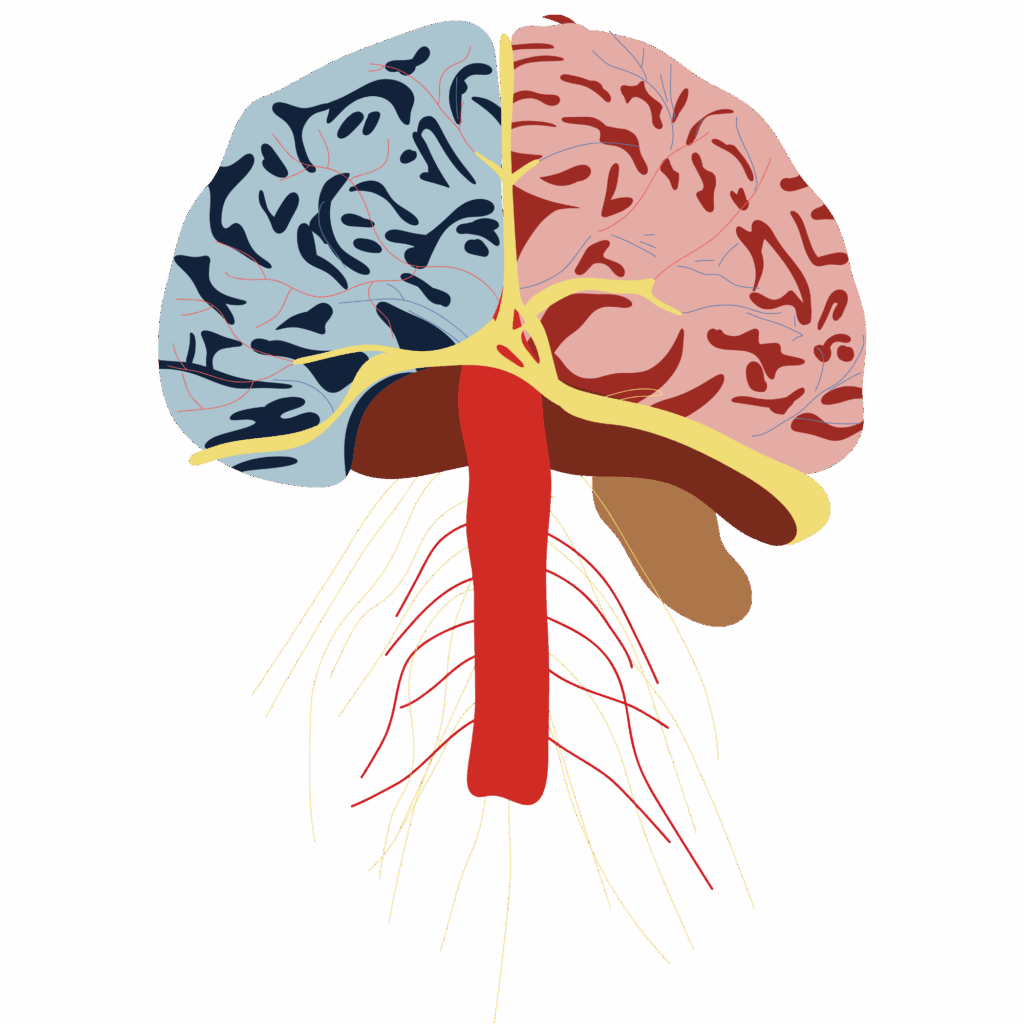
Nervous System
Sleep strengthens connections between brain cells, improving focus, reaction time, and memory. Chronic sleep loss can lead to forgetfulness, confusion, and slower decision-making.
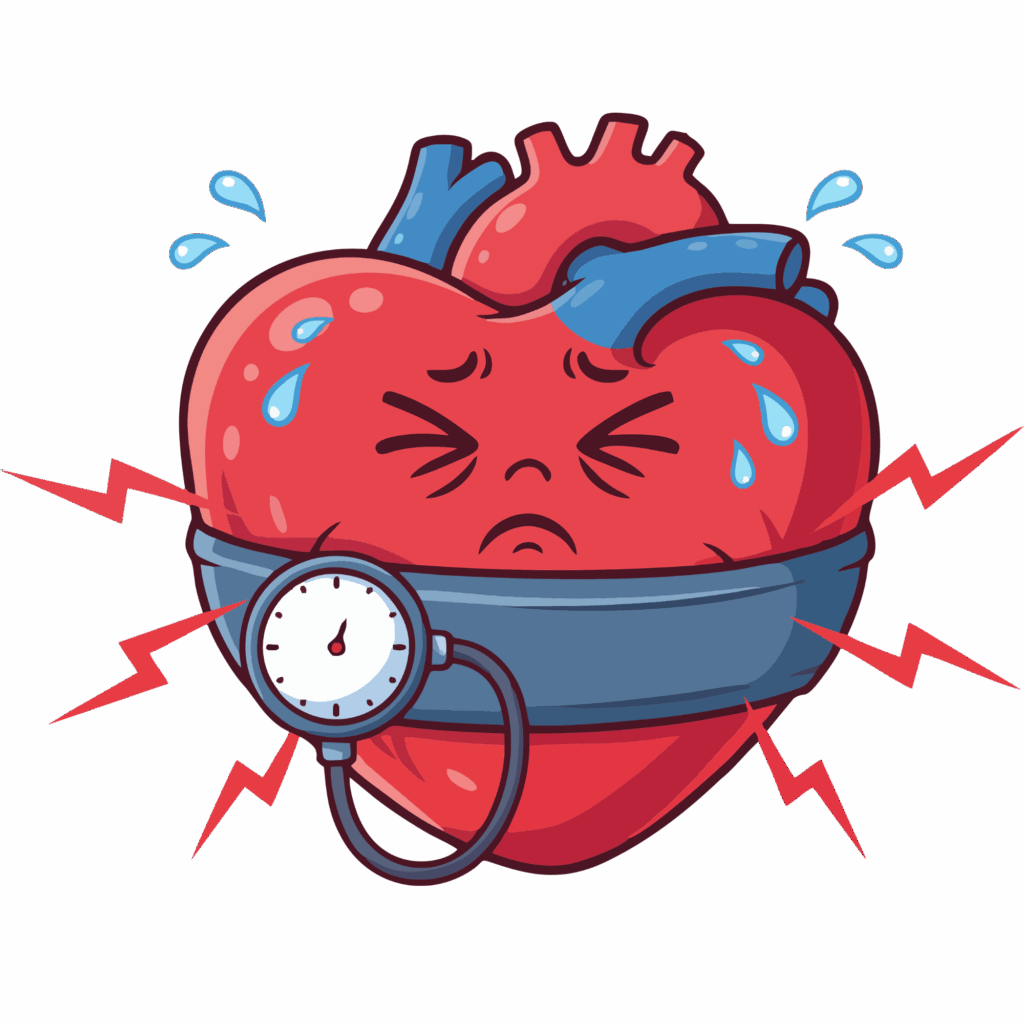
Cardiovascular System
Poor sleep increases the risk of high blood pressure, stroke, and heart disease by putting stress on your circulatory system.
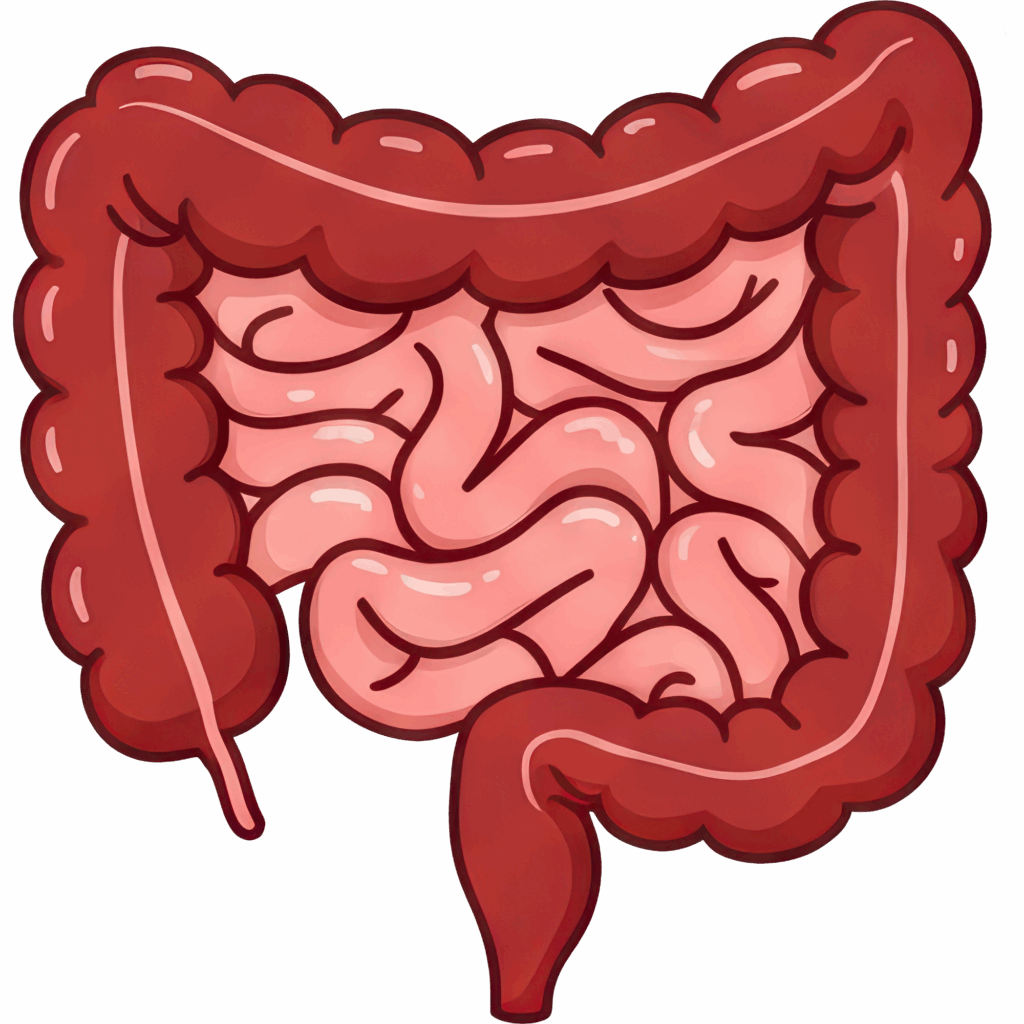
Digestive System
Lack of sleep affects leptin and ghrelin, the hormones that regulate hunger, leading to overeating and potential weight gain.
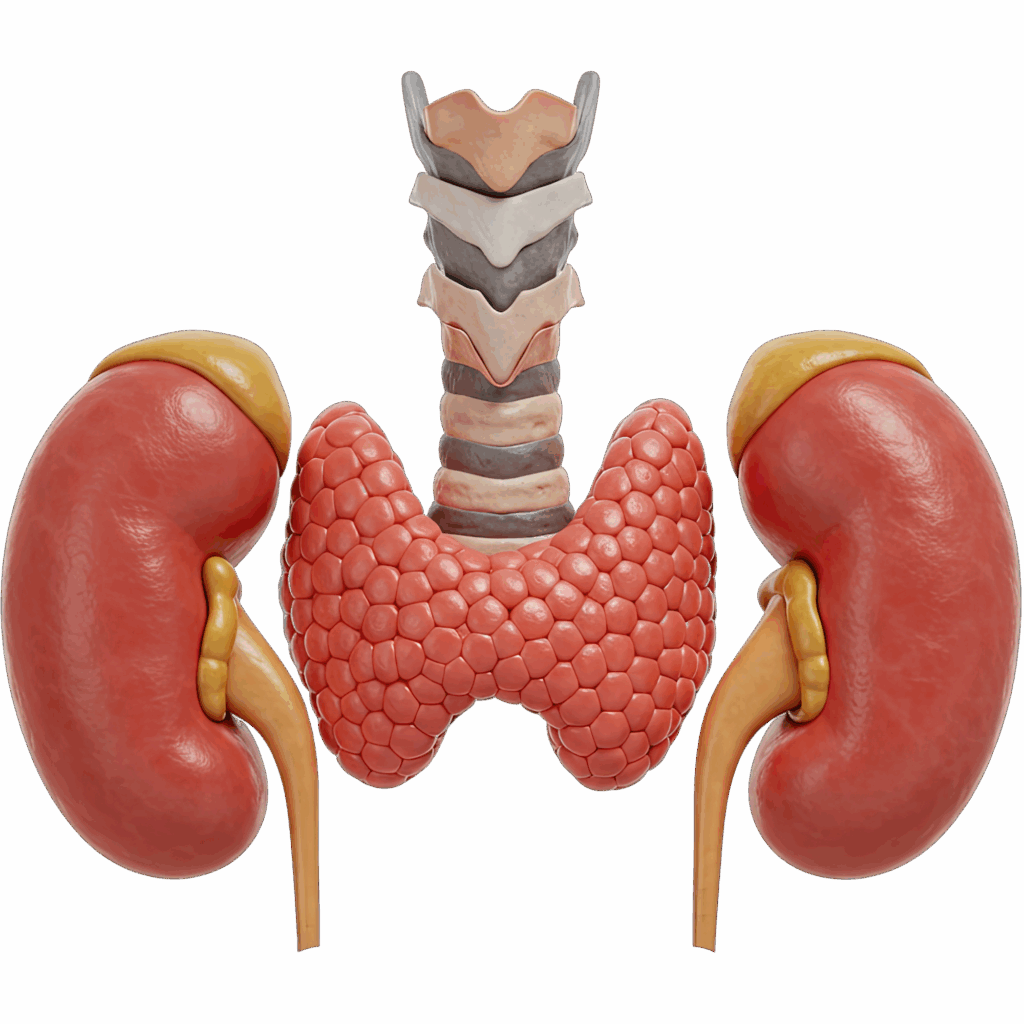
Endocrine System
Sleep loss contributes to insulin resistance and increases the risk of Type 2 diabetes.
Immune System
Your immune system relies on sleep to repair and defend your body. Without it, you’re more vulnerable to infections and slower recovery times.
Emotional Health
Sleep deprivation can trigger or worsen anxiety and depression, creating a difficult cycle that further disrupts rest.
Treatment Options
Treatment for sleep deprivation depends on the cause. In many cases, simple lifestyle adjustments can make a big difference:
Reduce screen time before bed
Avoid caffeine and heavy meals late at night
Maintain a calm, dark, and cool sleep environment
Stick to a consistent bedtime and wake-up schedule
Manage stress through relaxation techniques or exercise
If a medical condition is suspected, your healthcare provider might recommend a sleep study (polysomnography) to evaluate brain activity, breathing, and heart rhythm during rest.
Therapies like Cognitive Behavioral Therapy for Insomnia (CBT-I) can also be effective for those dealing with chronic sleep issues or mental health challenges.
How to Prevent Sleep Deprivation
You can take proactive steps to protect your sleep and overall well-being:
Stick to a schedule: Go to bed and wake up at the same time every day, even on weekends.
Reduce stress: Incorporate relaxation techniques like meditation or journaling.
Exercise regularly: Physical activity improves sleep quality and reduces anxiety.
Watch caffeine intake: Limit coffee or energy drinks after midday.
Create a bedtime routine: Signal to your body that it’s time to wind down.
Even if you occasionally lose sleep, consistent good habits can help restore your rhythm and minimize the long-term effects of deprivation.
The Bottom Line
Sleep deprivation isn’t just an inconvenience — it’s a serious health concern. From mood swings to chronic disease risk, the impact is far-reaching. But with mindful habits, stress management, and medical support when necessary, you can regain control of your sleep — and your health.