
They can help you lose weight, lower cholesterol,
improve gut health, and more
Chia seeds, which come from the plant Salvia hispanica, are often called a “superfood” because of their impressive nutritional profile. However, “superfood” is not an official nutrition term and is often used as a marketing phrase for foods that are especially rich in nutrients while being relatively low in calories.
Despite their recent popularity, chia seeds have been used for centuries. Native to Mexico and Guatemala, these small seeds were an important part of ancient Aztec and Mayan diets. They resemble flax seeds, have a crunchy texture when dry, and develop a soft, gel-like consistency when soaked.
Today, research shows that these tiny black or white seeds provide important nutrients, including fiber, healthy fats, and minerals, that may support overall health — including heart health.
Key takeaways
- Chia seeds offer several potential health benefits, including supporting weight management, cholesterol control, digestive health, and healthy blood sugar levels.
- Packed with fiber, protein, and omega-3 fatty acids, chia seeds may help support heart health and contribute to reducing the risk of conditions such as diabetes and osteoporosis.
- Adding chia seeds to your diet may help increase fullness, support digestion, and improve nutrient absorption, promoting overall gut health.
- Chia seeds are a versatile, nutrient-rich food that may benefit skin health and provide a complete plant-based protein source, making them a valuable option for vegetarians and vegans.
7 health benefits of chia seeds
These small seeds may support healthy digestion, cholesterol management, and blood sugar balance while potentially reducing the risk of certain health conditions. Their high fiber content can also help promote fullness and support healthy weight management. Here are seven benefits of adding chia seeds to your diet.”
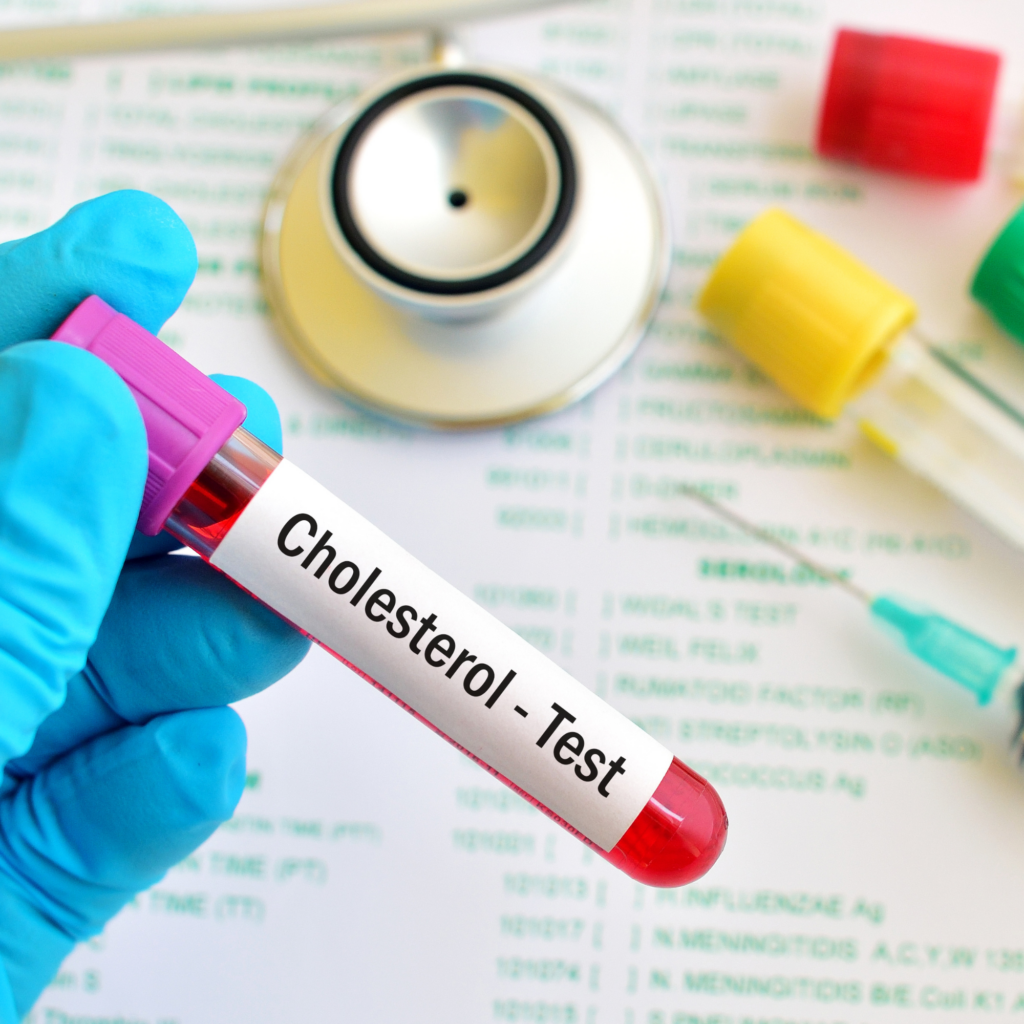
1. Lower cholesterol levels
Chia seeds also provide omega-3 fatty acids, which may help support higher levels of high-density lipoprotein (HDL), known as “good” cholesterol.
While chia seeds can be a nutritious addition to a heart-healthy diet, they are not a replacement for cholesterol treatments. If you take statins or other medications, do not stop or change your treatment without first consulting your healthcare provider.
2. Help with weight management
Research suggests that chia seeds may support weight management by helping increase feelings of fullness. According to Erika Luren, NP, chia seeds can absorb water and expand in the stomach, which may help reduce hunger.
Their high dietary fiber content can also promote satiety and help decrease overall calorie intake. Rini Mathews, APRN, FNP-C, highlights research where participants who ate yogurt with chia seeds consumed fewer calories at their next meal compared with those who ate plain yogurt.
While chia seeds can be a helpful addition to a balanced diet, sustainable weight management still depends on overall eating habits, physical activity, and healthy lifestyle choices.
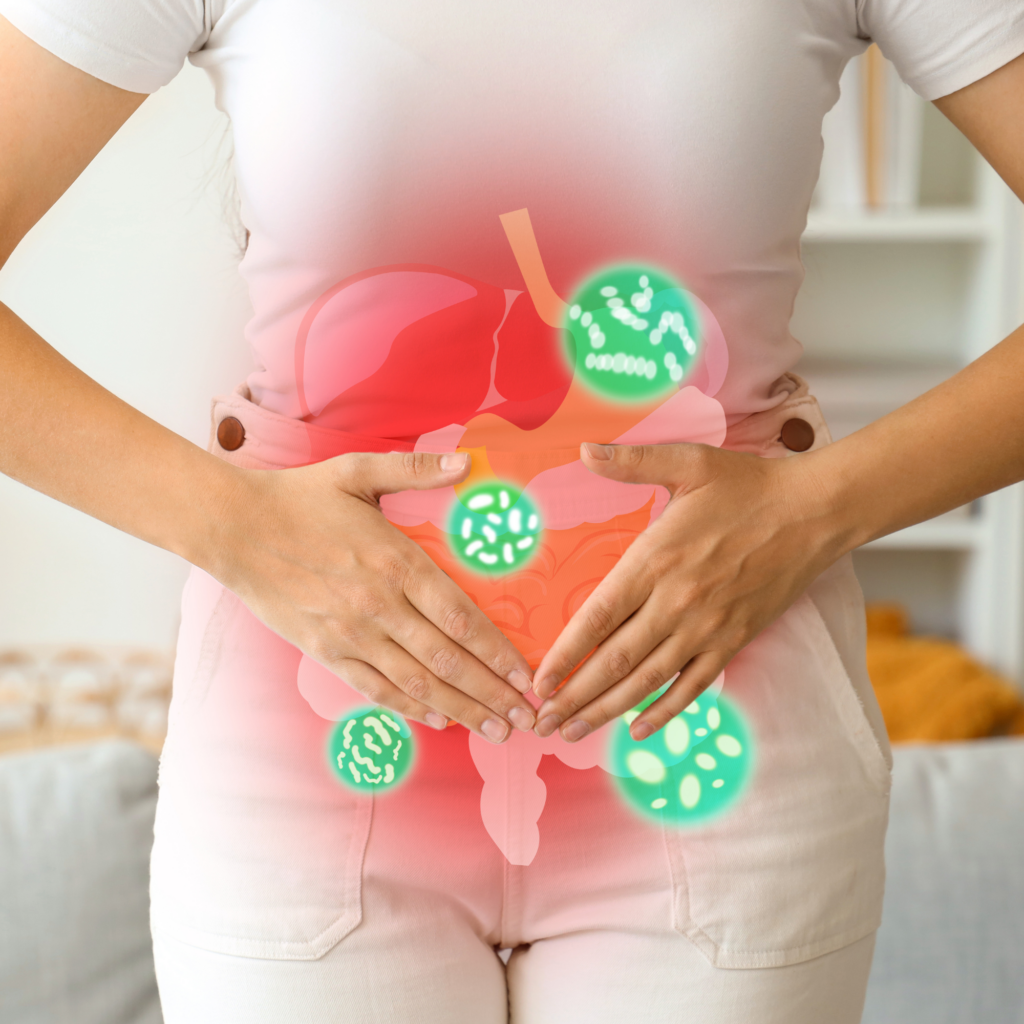
3. Improve gut health
A healthy gut supports immune function, digestion, and overall wellness. Chia seeds may help promote gut health in several ways, including supporting beneficial gut bacteria, improving nutrient absorption, and helping relieve occasional constipation.
According to Wiemann, chia seeds contain about 10 grams of fiber per ounce, making them a rich source of dietary fiber. A high-fiber diet may also support digestive health and may help reduce the risk of conditions such as colon cancer.
However, chia seeds absorb a significant amount of water. Without enough fluids, they may contribute to bloating, gas, or constipation. To avoid discomfort, soak chia seeds before eating and drink enough water throughout the day.

4. Keep blood sugar levels steady
According to Wiemann, chia seeds may help support healthy blood sugar levels, which is important for people with diabetes or prediabetes. With many Americans affected by blood sugar concerns, foods that help promote stability can be a valuable part of a balanced diet.
Chia seeds are rich in fiber and protein, which can slow digestion and help slow the release of sugar into the bloodstream. This may help support more balanced blood sugar levels, especially for people managing Type 2 diabetes.

5. Help prevent osteoporosis
Bone health is important for everyone, but women have a higher risk of developing osteoporosis than men. According to the Bone Health & Osteoporosis Foundation, millions of Americans are affected by osteoporosis or are at risk of developing this condition.
According to Wiemann, chia seeds contain several nutrients that support bone health, including omega-3 fatty acids, calcium, magnesium, and phosphorus. Omega-3s may help reduce inflammation linked to bone loss, while these minerals play key roles in maintaining strong bones.
A 2018 animal study also found that rats fed a diet containing chia seeds had higher bone mineral content compared with those on a standard diet. While more human research is needed, chia seeds can be a nutritious addition to a bone-supporting diet.

6. Reduce the risk of disease
Adding chia seeds as part of a balanced diet may be especially beneficial for heart health. Men generally have a higher risk of heart attacks, while women’s cardiovascular risk can increase after menopause. Supporting healthy lifestyle habits, including a nutrient-rich diet, can play an important role in maintaining heart health.

7. Improve skin health
Chia seeds may also support skin health when used in certain forms. According to Luren, chia seed extracts are used in cosmetic products such as lip balms, moisturizers, and eye creams because they may help hydrate skin, soothe dryness, and protect against damage.
Mathews highlights a 2020 study suggesting that peptides found in chia seeds may help protect skin from enzymes associated with aging. While more research is needed, these findings suggest potential benefits for skincare applications.
Chia seeds are also rich in antioxidants, which may help protect cells from free radical damage. Although they are not a quick solution for skin concerns, an antioxidant-rich diet may support healthier skin over time.
Chia seeds nutrition
You only need around 1 to 2 tablespoons of chia seeds per day to enjoy their potential nutritional benefits, according to Luren. Their nutrient profile also makes them a valuable option for people following vegetarian or vegan diets.
According to Mathews, chia seeds provide a complete plant-based protein, meaning they contain all nine essential amino acids the body needs but cannot produce on its own. This makes chia seeds a convenient protein source for those looking to add more plant-based nutrition to their diet.
According to the U.S. Department of Agriculture, a 1-ounce (roughly 2 tablespoons) serving of chia seeds contains:
- 4.7 grams of protein
- 9.8 grams of fiber
- 12 grams of carbohydrates (carbs)
- 8.7 grams of fat
- 179 milligrams of calcium
- 115 milligrams of potassium
- 2.2 milligrams of iron
How to add chia seeds to your diet
To enjoy the nutritional benefits of chia seeds, consider adding about 1 to 2 tablespoons to your daily diet. According to Harvard Health, it is best to soak chia seeds before eating because they quickly absorb liquid and expand.
Soaking the seeds helps soften their texture and reduces the risk of dry chia seeds swelling and becoming stuck in the throat or esophagus.
You can add this superfood to your daily diet in several ways:
- Add chia seeds as a thickener to soup or smoothies
- Stir a spoonful into a glass of water
- Make chia pudding by soaking the seeds in milk or fruit juice, then stirring in chopped nuts or fresh fruit
- Sprinkle chia seeds on top of salads or fruit
- Use one tablespoon of whole chia seeds soaked in 3 tablespoons of water as an egg substitute in baking
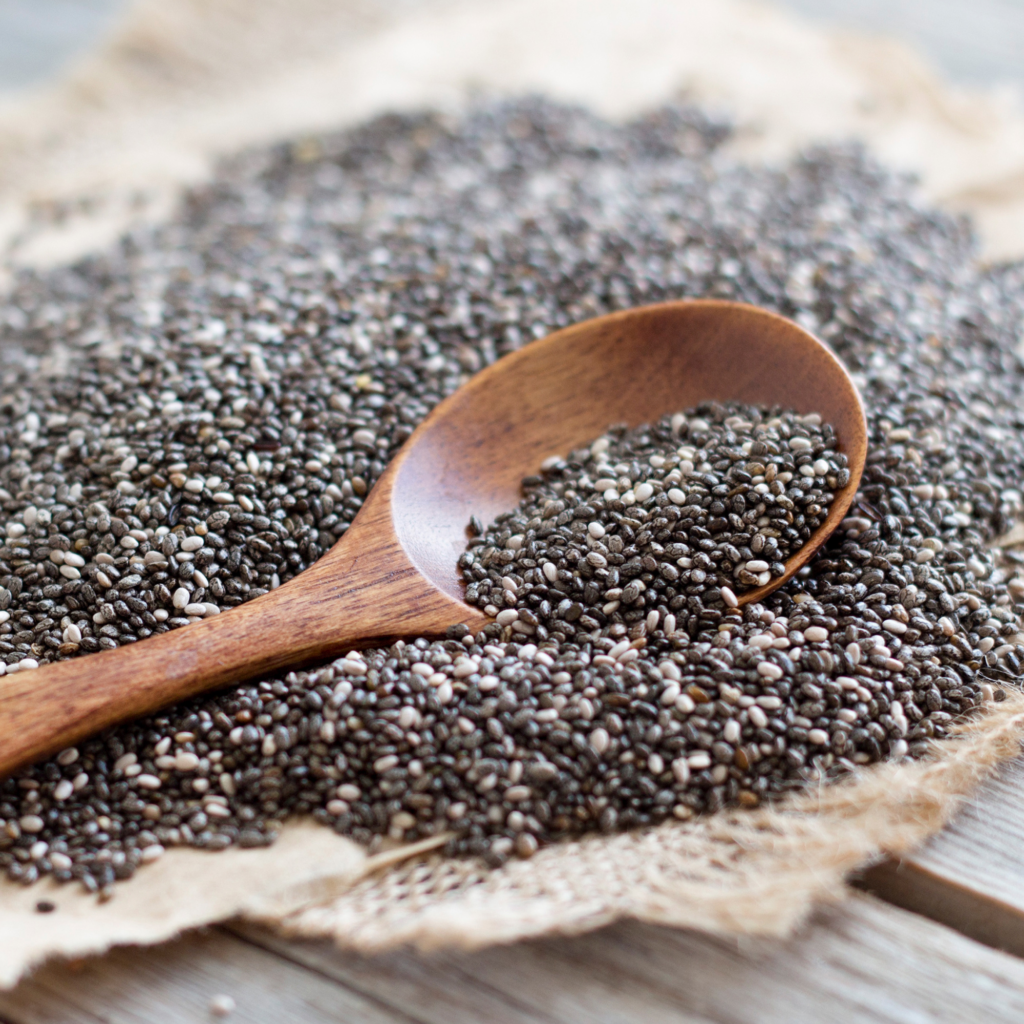
Bottom line: Why are chia seeds good for you?
“Chia seeds are a tiny superfood with impressive nutritional value,” says Luren. These small seeds provide a variety of nutrients, including vitamins, minerals, fiber, and plant-based protein. They also contain essential amino acids, making them a valuable protein source for people following vegan or vegetarian diets.
Adding 1 to 2 tablespoons of chia seeds daily, while drinking enough water, may help support gut health, healthy blood pressure, balanced blood sugar, and cholesterol management. If using chia seeds for weight goals, adding them to snacks before meals may help promote fullness, but there is no specific “best time” to consume them.
As with any dietary change, it’s important to consider your individual health needs. Talk with your healthcare provider about possible medication interactions or concerns before making chia seeds a regular part of your routine.