IT CAN TAKE YEARS TO DIAGNOSEHEART DISEASE IN WOMEN, BUT IT SHOUDN’T. HERE’S WHAT TO WATCH FOR.
KEY TAKEAWAYS:
Women’s risk of heart disease can increase after menopause as changes in hormone levels may impact cardiovascular health.
Pregnancy-related conditions such as preeclampsia, gestational diabetes, and endometriosis may increase a woman’s risk of heart disease later in life.
Heart attack symptoms in women may appear differently than in men and can include fatigue, shortness of breath, nausea, and pain in the neck, back, or jaw, making them easier to overlook or misdiagnose.
Women may sometimes receive less aggressive treatment for heart conditions due to misconceptions, which is why advocating for proper evaluation and care is important.
A few years ago, I underwent a cardiac ablation to treat supraventricular tachycardia (SVT), a heart rhythm condition. Although the procedure was quick, getting the right diagnosis took nearly 10 years.
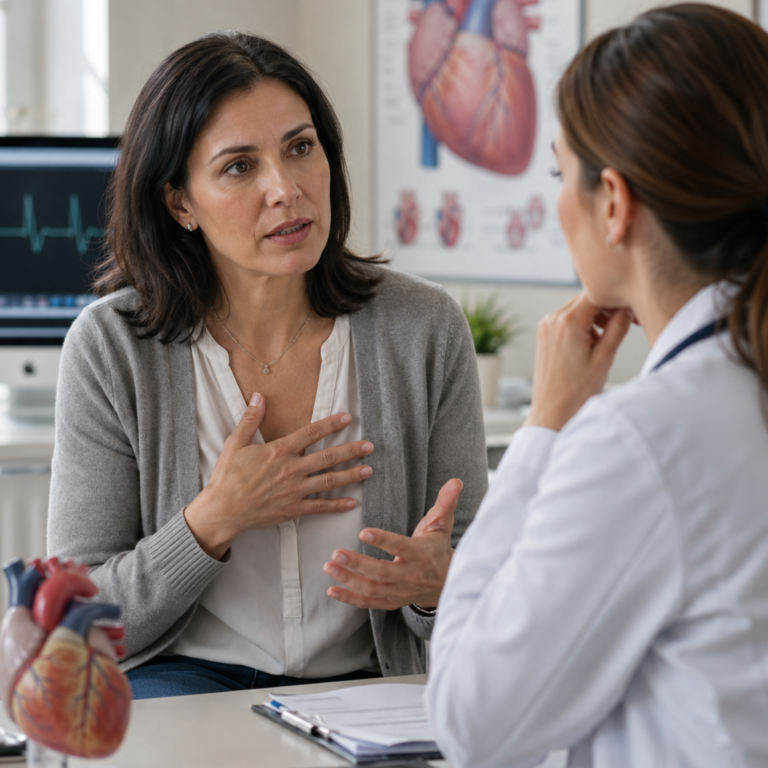
After experiencing symptoms like a sudden rapid heartbeat, dizziness, and chest pressure, I learned the importance of advocating for your heart health and seeking proper evaluation. Women can sometimes face delays in diagnosis and treatment for cardiovascular conditions, making it essential to speak up and find the right care.
As Kathryn Lindley, MD, emphasizes, women should be proactive about discussing heart symptoms and risk factors with their healthcare providers.
5 THINGS TO KNOW ABOUT WOMEN’S HEART HEALTH
Don’t wait until symptoms are ignored or overlooked. Knowing these five important facts about heart disease in women can help you have more informed conversations with your healthcare provider and take an active role in your heart health.
1. Your risk increases after menopause
Women often have a lower risk of heart disease earlier in life compared with men, but that risk can increase after menopause. According to Dr. Lindley, cardiovascular risk tends to rise with age and may increase more rapidly during menopause due to changes in hormone levels.
As protective hormones decline, certain heart disease risk factors may become more common. That’s why regular heart health checkups are especially important after menopause.
Although heart disease can affect women at any age, the average age of a first heart attack is about 66 for men and 70 for women.
2. Pregnancy complications can lead to heart complications
If you’ve been pregnant, your pregnancy history can provide important clues about your future heart health. Certain pregnancy complications may increase the risk of cardiovascular problems 20 to 30 years later, according to John Osborne, MD, Ph.D., director of cardiology at LowT Center/HerKare.
Conditions such as premature birth, preeclampsia, gestational diabetes, and repeated miscarriages may affect long-term heart health. Endometriosis has also been linked to a higher risk of coronary artery disease, especially among women under 40.
If you’ve experienced any of these conditions, Dr. Kathryn Lindley recommends discussing them with your healthcare provider. Proper screening and early management of cardiovascular risk factors can help protect your heart health in the years ahead.
3. Heart attack symptoms in women may be different
Common heart attack symptoms like chest pressure, pain that spreads to the left arm, and shortness of breath are widely recognized. However, according to Dr. Osborne, these classic signs may appear in only about one-third of women experiencing a heart attack.
Women may experience less obvious symptoms, including fatigue, shortness of breath, nausea, and sweating. Dr. Lindley also highlights that pain or discomfort in the neck, back, or jaw can be warning signs of a heart attack in women.
Because these symptoms can be mistaken for other conditions, knowing the warning signs can help women seek medical care sooner.
4. Heart problems in women are harder to diagnose
Angiograms are commonly used to identify narrowed or blocked heart arteries, but they may be less effective at detecting certain heart issues in women. Because women often have smaller hearts and may develop blockages in smaller blood vessels, some problems may not appear clearly on standard scans.
A normal test result does not always mean there is no underlying heart concern. Early signs of a heart blockage may include an irregular or slow heartbeat, shortness of breath, dizziness, chest pain, and difficulty during physical activity.
While some women may not experience noticeable signs of heart problems, the CDC notes that symptoms of heart disease that may require medical attention can include:
Angina (dull, heavy, or sharp chest pain)
Pain in the neck, jaw, or throat
Upper abdominal pain
Back pain
Nausea and vomiting
Fatigue
Shortness of breath
Swelling of the feet, ankles, legs, abdomen, or neck veins
Arrhythmia (heart palpitations)
5. You might not be taken as seriously
Many women may need to consult with multiple healthcare providers before finding someone who fully addresses their heart concerns. This is often not intentional, but may be influenced by common misconceptions about women and cardiovascular disease.
If you have concerns about your heart health, continue advocating for yourself. Finding the right healthcare provider may take time, but receiving proper evaluation and treatment is essential.
“Choose a doctor you trust—someone who takes your concerns seriously and provides a thorough assessment of your cardiovascular health,” says Dr. Lindley. Women deserve proper screening, guidance, and evaluation when heart concerns arise.
Finding the right healthcare provider means working with someone who listens, respects your concerns, and partners with you in your care. Having the right support can make a meaningful difference in protecting your heart health.