
This common household item may boost your heart health by lowering blood glucose and cholesterol
Key takeaways
Apple cider vinegar (ACV) may help slightly support lower blood pressure by influencing blood sugar and cholesterol levels, although current research is limited and mainly based on animal studies.
ACV contains enzymes, antioxidants, amino acids, and beneficial bacteria that may help reduce oxidative stress and support blood pressure regulation, but more human research is needed to confirm these effects.
Adding ACV to your daily routine may offer potential benefits, including supporting healthy blood glucose levels, cholesterol management, weight goals, and blood pressure, but it should not be used as a replacement for hypertension treatment.
While ACV is generally safe in moderate amounts, excessive use may cause side effects such as esophagus irritation, tooth enamel erosion, and reduced potassium levels, especially when combined with certain medications.
If you have high blood pressure, lowering it to a healthier range is important because it can increase your risk of heart disease, heart attack, and stroke. Lifestyle changes such as improving your diet, exercising regularly, managing stress, and taking prescribed medications like propranolol or lisinopril can help manage blood pressure.
For those still looking for additional support, apple cider vinegar (ACV) has gained attention as a potential natural aid. Some research suggests it may offer benefits such as supporting blood sugar control, weight management, and digestive health. However, whether ACV can directly lower blood pressure is still being studied, and it should not replace prescribed treatments.

Is apple cider vinegar good for high blood pressure?
Apple cider vinegar (ACV) is made by fermenting the natural sugars in apples. It is commonly used in salad dressings, marinades, and recipes because of its sweet and tangy flavor.
ACV is available in two forms: with or without the “mother.” The “mother” is a collection of beneficial bacteria created during fermentation that helps convert alcohol into acetic acid. Some experts believe this component may provide added probiotic benefits for gut health.
Filtered ACV without the “mother” has a clearer appearance, but unfiltered versions may contain more beneficial bacteria and nutrients. However, while ACV may support digestive, immune, and cardiovascular health, its ability to significantly lower blood pressure is still being researched.
Some studies suggest ACV may have a small effect on blood pressure, but experts note that current research is limited and often based on small studies or animal research. ACV should be viewed as a possible supplement to a healthy lifestyle — not a replacement for prescribed blood pressure treatments.
It is also important to remember that ACV products are not regulated as medications by the FDA, and the amount of active ingredients can vary between products. Always pay attention to serving sizes and avoid excessive intake.
Benefits of apple cider vinegar

Maintain healthy blood pressure
According to Kimszal, apple cider vinegar (ACV) contains small amounts of enzymes, antioxidants, amino acids, and beneficial bacteria that may help reduce oxidative stress, support nitric oxide production, and assist with blood pressure regulation.
The acetic acid in ACV may also affect renin, a hormone involved in blood pressure control. However, this effect has mainly been observed in animal studies, and it is still unclear whether the same benefits occur in humans.
Drinking a large amount of ACV will not immediately lower blood pressure. Any potential effects appear to come from consistent, moderate use over time, and current evidence remains limited, with many findings based on animal research.
Lower blood glucose
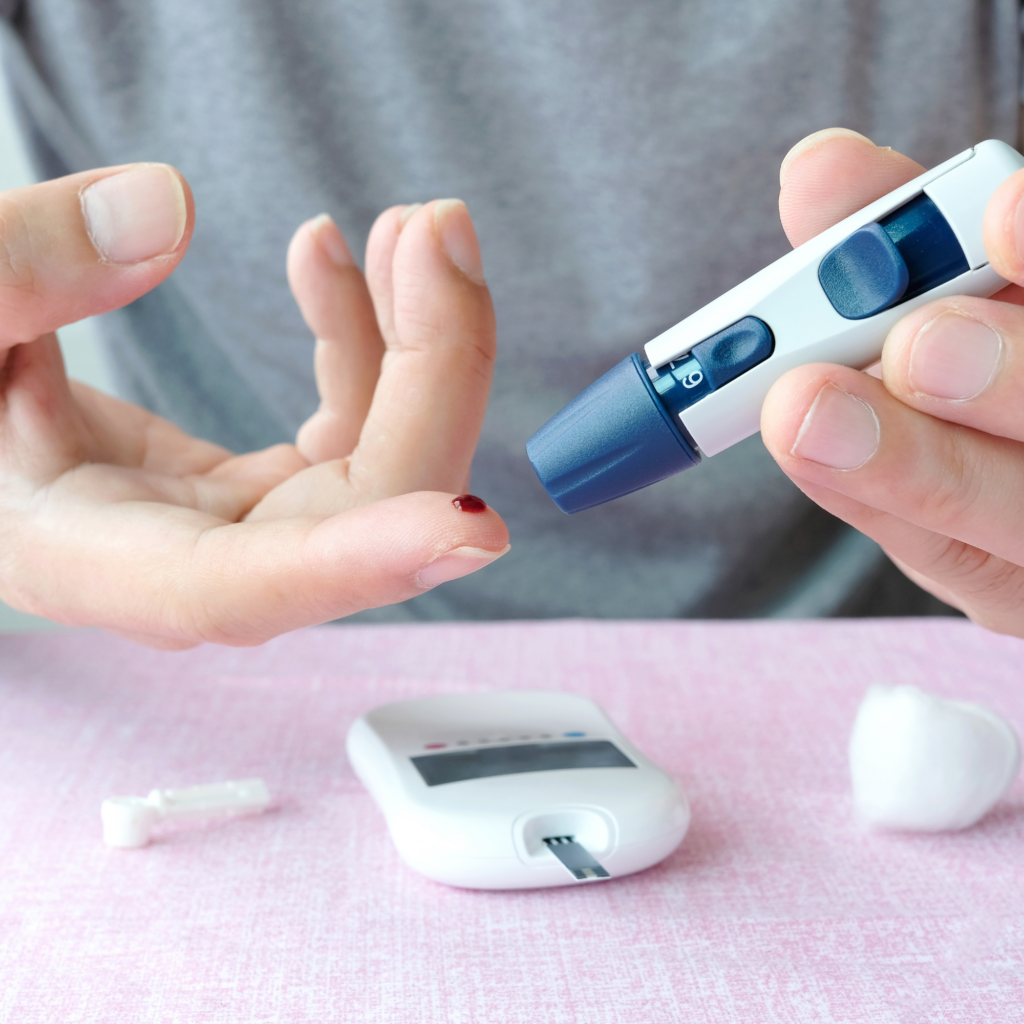
There is stronger evidence suggesting that apple cider vinegar (ACV) may help support healthy blood sugar levels, which can benefit heart health. Consistently high blood glucose can put stress on blood vessels, making the heart work harder and potentially increasing the risk of high blood pressure.
According to Wiemann, ACV may help reduce blood glucose levels. A 2022 study found that consuming ACV with meals was associated with a reduction in blood sugar levels, although more research is still needed to fully understand its effects.
Lower cholesterol
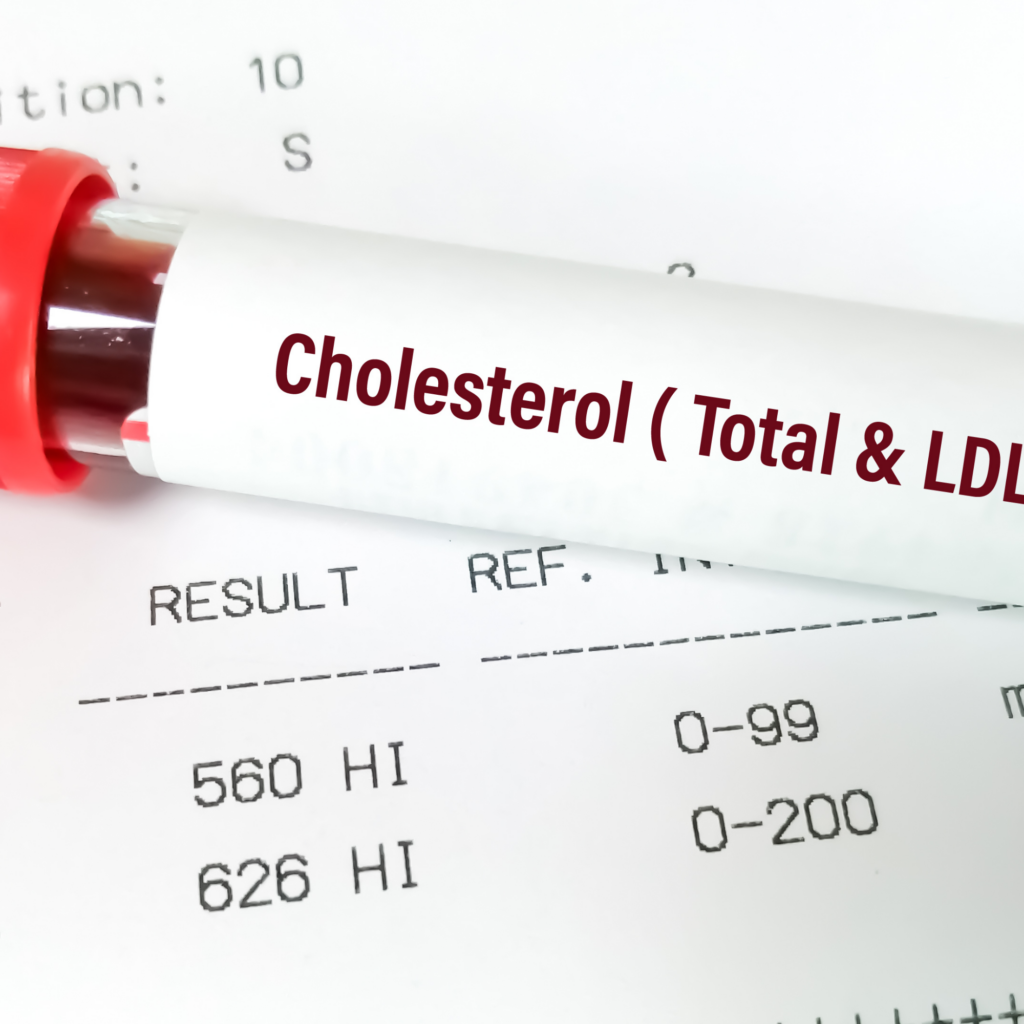
Cholesterol levels can also influence heart health and blood pressure. Over time, high cholesterol can contribute to stress on the heart and blood vessels, which may increase the risk of hypertension.
Kimszal highlights studies suggesting that daily apple cider vinegar (ACV) consumption may help lower cholesterol levels. Research involving 30 mL of ACV for eight weeks and 15 mL of ACV for two weeks found improvements in blood lipid levels, though more research is needed to confirm these effects.

Assist with weight loss
Weight management is a long-term process. According to Kimszal, consuming apple cider vinegar (ACV) with meals may help some people feel fuller and reduce appetite, which may support healthy weight goals. Maintaining a healthy weight is also linked to a lower risk of hypertension.
However, experts caution against using ACV as a quick fix for weight loss. Sustainable weight management still depends on a balanced diet, regular physical activity, and healthy lifestyle habits. ACV may be a helpful addition, but it should not be the only strategy.
How to use apple cider vinegar to lower blood pressure
Studies have explored different amounts, ranging from one to five tablespoons per day, with mixed results. According to Kimszal, consuming around four teaspoons (20 mL) of ACV before meals has been shown to help reduce post-meal blood sugar levels in some studies.
It’s important to note that this evidence relates to blood sugar control, not directly lowering blood pressure. While healthier blood sugar levels may support heart health over time, ACV does not act as a direct blood pressure treatment.
Because ACV is highly acidic, consuming too much may irritate the teeth, mouth, throat, or stomach. If using ACV regularly, it’s best to consume it safely and avoid excessive amounts.

Diluting it in an eight-ounce glass of water

Adding it to homemade salad dressings and marinades

Adding a teaspoon to teas, smoothies, and protein shakes
In general, apple cider vinegar (ACV) may be safe to consume while taking blood pressure medications, but it’s important to be cautious. Some research, including a 2016 study, found that combining ACV with the blood pressure medication Procardia XL lowered blood pressure more effectively in rats than ACV alone.
However, because supplements can interact differently with medications, always check with your healthcare provider before adding ACV to your routine, especially if you take prescription drugs.

Side effects of apple cider vinegar
Drinking raw apple cider vinegar (ACV) is generally considered safe for many people, but it may cause side effects. According to Kimszal, its acidity can irritate the esophagus, weaken tooth enamel, and cause stomach discomfort in some individuals.
ACV may also lower potassium levels, which can be a concern for people taking medications such as digoxin or diuretics that already affect potassium. Since potassium plays an important role in heart function, anyone using potassium-lowering medications should consult a healthcare provider before adding ACV to their routine.
People with diabetes or those taking insulin should also use caution. ACV may lower blood sugar, and when combined with diabetes medications, it could increase the risk of blood sugar dropping too low.
Additionally, ACV may slow stomach emptying, which could make it harder for some people with diabetes to properly time insulin doses. Always discuss ACV use with your healthcare provider if you have medical conditions or take prescription medications.
The bottom line
Consuming a small amount of apple cider vinegar (ACV) daily may potentially support healthier blood pressure levels over time, but research in humans is still limited, especially regarding its direct effects on hypertension.
ACV should be viewed only as a supportive addition to a heart-healthy lifestyle — not a replacement for proven treatments such as healthy eating, regular exercise, stress management, or prescribed medications.
If you are at risk for high blood pressure, it’s important to work with a healthcare provider. Hypertension often has no noticeable symptoms unless it becomes severe, so regular monitoring is essential. Blood pressure can be checked at home, during medical visits, or at some pharmacies.
According to experts, a healthy blood pressure target is generally below 120/80 mmHg, while stage 1 hypertension is typically defined as readings between 130–139 systolic or 80–89 diastolic. A single elevated reading does not always mean you have hypertension, but repeated high readings should be evaluated by a healthcare professional.