9 Simple Ways to Support Better Gut Health

Your gut does much more than digest breakfast, lunch, and dinner. Your gastrointestinal system stretches from your mouth through your intestines, and the community of microorganisms living there—often called the gut microbiome—may influence digestion, immune function, and even how you feel from day to day.

When that system is out of balance, some people notice bloating, gas, constipation, diarrhea, abdominal discomfort, fatigue, or difficulty concentrating. Those symptoms can have many possible causes, however, so “fixing your gut” is not a substitute for getting appropriate medical care.
The encouraging news is that several ordinary lifestyle habits may help support a healthier digestive system. Here are nine practical places to begin.
1. Put more variety on your plate
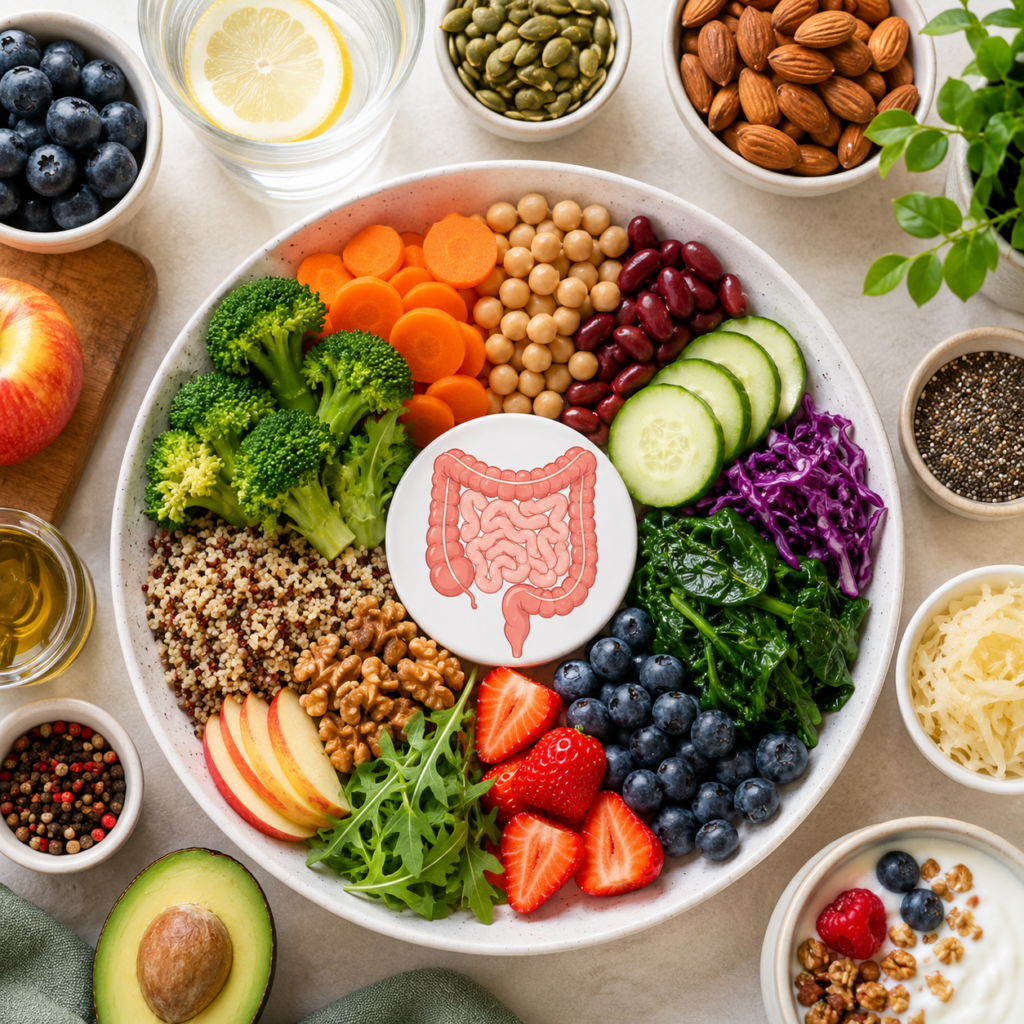
Different plant foods provide different nutrients and fibers. Eating a broad mix of fruits, vegetables, legumes, whole grains, nuts, seeds, and lean proteins can help create an environment that supports a diverse gut microbiome.

Instead of chasing one so-called superfood, think in terms of variety. Try rotating your produce, adding beans or lentils to familiar meals, or choosing several colours of fruits and vegetables during the week.
2. Cut back on added sugar and excess alcohol
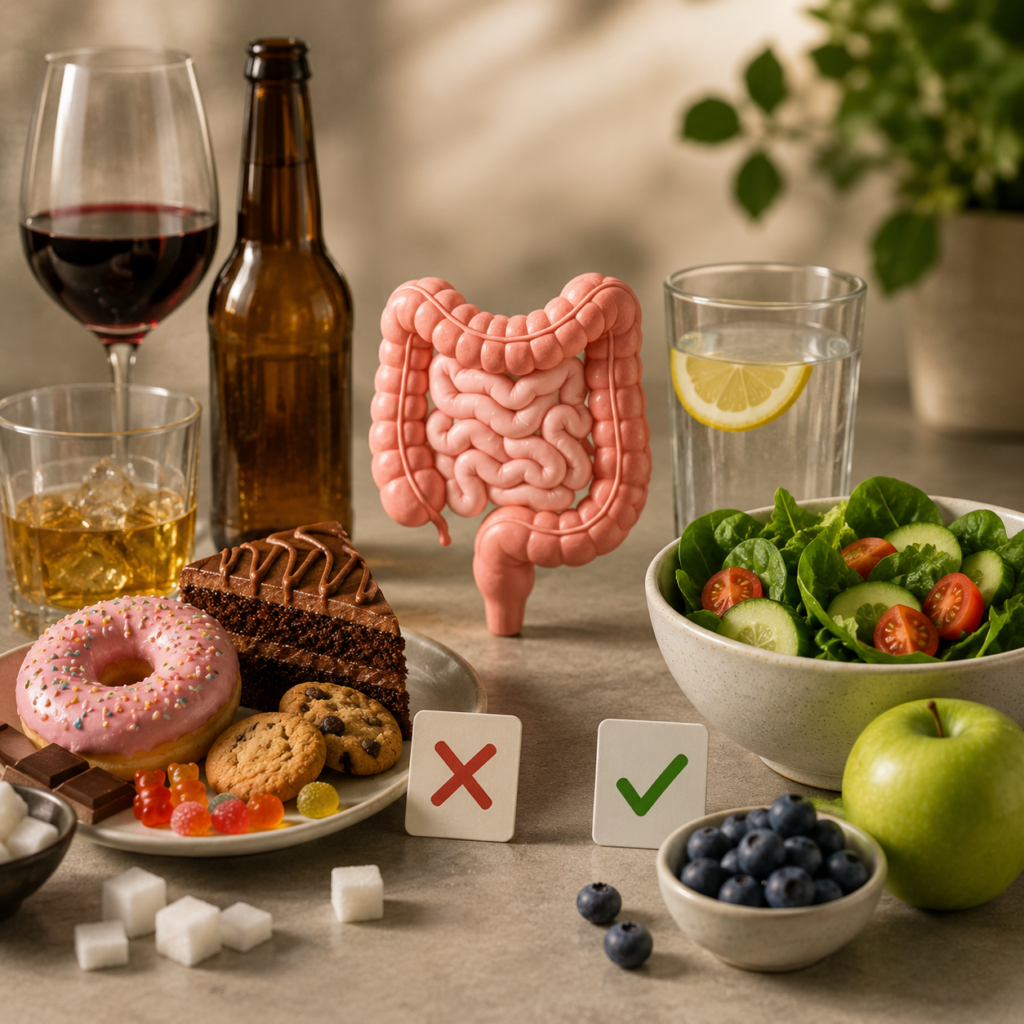
Diets high in heavily processed, sugary foods may work against a balanced gut environment. Alcohol can also affect digestion, sleep, and the microbiome—especially when consumed in excess.

You do not have to overhaul your entire diet overnight. Start by checking labels for added sugar, replacing one sugary drink with water, or reducing how often highly processed snacks appear in your routine.

3. Consider fermented foods
Fermented foods can contain beneficial microorganisms. Options may include yogurt with live cultures, kefir, kimchi, sauerkraut, miso, and kombucha.

Not every fermented product contains live cultures, and these foods may not agree with everyone. Introduce them gradually and ask a healthcare professional for guidance if you have a medical condition, take medication, or experience worsening symptoms.
4. Do not overlook oral health
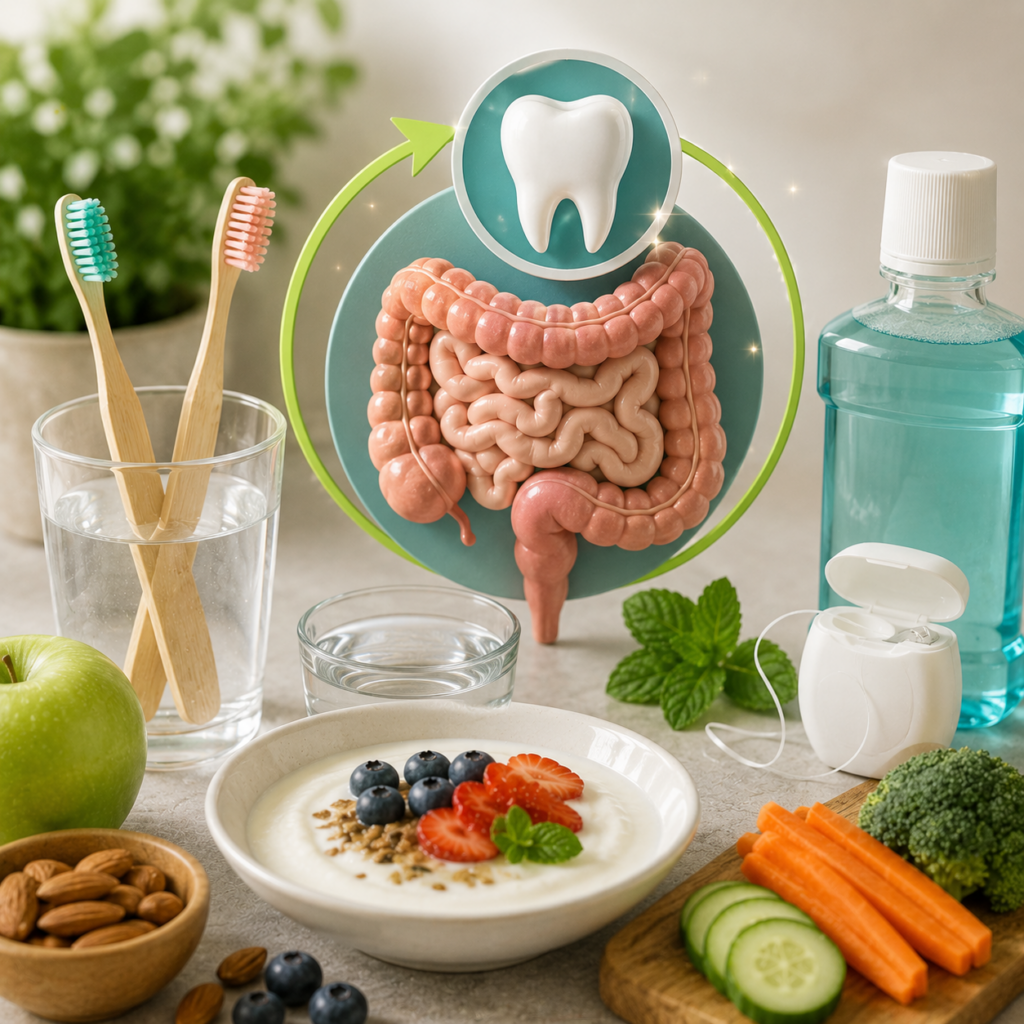
The mouth is the beginning of the gastrointestinal tract. Regular brushing, flossing, dental cleanings, and recommended check-ups help control harmful oral bacteria and support overall health.

If it has been a while since your last dental visit, consider adding it to your health-maintenance list rather than treating oral care as separate from the rest of your body.

5. Keep your body moving
Regular physical activity supports many parts of health and may also encourage positive changes in the gut microbiome.

Movement does not have to mean an intense gym session. Walking, cycling, swimming, gardening, or another activity you enjoy can all count. Choose a pace that is appropriate for your health and ability, and consult your healthcare provider before beginning a new exercise routine when needed.
6. Make fiber a priority

Regular physical activity supports many parts of health and may also encourage positive changes in the gut microbiome.
Movement does not have to mean an intense gym session. Walking, cycling, swimming, gardening, or another activity you enjoy can all count. Choose a pace that is appropriate for your health and ability, and consult your healthcare provider before beginning a new exercise routine when needed.
7. Protect your sleep
Sleep gives the body time to restore and regulate itself. Inconsistent or inadequate sleep may affect digestion and the balance of microorganisms in the gut.
A regular bedtime, a quieter evening routine, and limiting late-night screen use may help. If snoring, insomnia, or daytime exhaustion regularly interferes with your life, discuss it with a healthcare professional.
8. Build a stress-management routine
The gut and brain communicate with each other, which helps explain why stress can sometimes appear as nausea, cramping, appetite changes, or changes in bowel habits.
Stress cannot always be removed, but it can be managed. Deep breathing, meditation, journaling, reading, spending time outdoors, or talking with a mental-health professional may help. Even a short daily routine can be a meaningful starting point.
9. Stay hydrated
Fluids support digestion and help fiber do its job. Water is a straightforward choice, although individual fluid needs vary with age, activity, climate, health conditions, and medications.
Do not force a one-size-fits-all amount. People with certain heart, kidney, or other medical conditions may receive specific fluid instructions from their clinicians. When in doubt, follow the advice of your healthcare provider.

When gut symptoms deserve medical attention

Occasional digestive discomfort happens, but persistent or recurring symptoms should not simply be accepted as normal. Contact a healthcare professional if you regularly experience constipation, diarrhea, heartburn, indigestion, abdominal pain, or unexplained changes in bowel habits.
Seek prompt medical care for severe pain, blood in the stool, black or tarry stool, repeated vomiting, fever with abdominal symptoms, trouble swallowing, unintentional weight loss, or signs of dehydration.

Keeping a brief symptom journal can make a medical conversation more useful. Note when symptoms occur, how long they last, what you ate, any medication changes, and anything that improves or worsens the problem.

Small habits can add up

Supporting gut health is rarely about a cleanse, a miracle supplement, or one perfect food. It is usually about consistent basics: a varied diet, adequate fiber and fluids, movement, sleep, stress management, and appropriate preventive care.
Make one manageable change, give it time, and pay attention to how your body responds. If symptoms continue or concern you, ask a qualified healthcare professional rather than trying to diagnose the problem on your own.

If you have questions about whether your health plan includes primary care, gastroenterology, nutrition counselling, mental-health services, or other benefits, Kannonball Insurance Solutions can help you better understand your coverage options.

Kannonball Insurance Solutions LLC
Call: 254-918-5444
Visit: www.kbisolutionsllc.com

Source and medical note

This educational article was adapted and independently written using information from SingleCare’s “9 ways to improve your gut health,” written by Sarah Bradley, updated July 14, 2026, and medically reviewed by Jesse P. Houghton, MD, FACG: Read the original SingleCare article.

This content is for general educational purposes only. It does not diagnose, treat, cure, or prevent any condition and is not a substitute for advice from a physician, pharmacist, registered dietitian, or other qualified healthcare professional.