Can You Safely Stop Taking Statins? What to Know Before You Quit
Statins, including Crestor (rosuvastatin), Lipitor (atorvastatin), and Zocor (simvastatin), are medications commonly prescribed to help manage high cholesterol levels. They work by reducing low-density lipoprotein (LDL), often called “bad” cholesterol, and lowering triglycerides to improve your overall cholesterol profile.
However, the benefits of statins go beyond improving cholesterol numbers. They are also widely used to help reduce the risk of serious cardiovascular events, including heart attacks and strokes, especially in people with heart disease or those at increased risk due to plaque buildup in their arteries.
So what happens if you stop taking statins? And are there situations where stopping them may be appropriate? Let’s take a closer look.
What Happens If You Stop Taking Statins?
Whether you can stop taking statins depends on why you were prescribed them and your overall heart health.
According to Joyce Oen-Hsiao, MD, associate professor of medicine at Yale School of Medicine, people who have had a heart attack, stroke, or major cardiovascular event are generally not good candidates for stopping statins because their benefits are often long-term.
For those taking statins for primary prevention, stopping may be possible if significant lifestyle changes have improved cholesterol levels and lowered risk. However, without continued healthy habits, cholesterol levels may rise again, increasing the risk of heart disease, heart attack, and stroke.
Reasons for Stopping Statins
For most people at high risk of heart disease, statins are a long-term — and often lifelong — treatment. However, there are situations where a healthcare provider may recommend adjusting or stopping statin therapy based on your health, risks, and treatment goals.
Side Effects
The most common reason for stopping statins is side effects, such as:
Muscle pain or weakness
High blood sugar
Elevated liver enzymes
Some people tolerate statins well, while others may experience ongoing or severe side effects. If that happens, don’t stop taking them on your own — talk with your doctor about options like adjusting your dose or switching to a different medication.
Improved Health Through Lifestyle Changes
If your cholesterol improves through diet, exercise, and weight management, your provider may reevaluate whether you still need statins — especially if they were prescribed for prevention. However, remember that statins may be contributing to those improved numbers, and cholesterol levels can rise again after stopping unless healthy habits are consistently maintained.
Cost Concerns
While many statins are available as affordable generic medications, cost can still be a concern. If your prescription is too expensive or not covered, talk with your healthcare provider about alternatives, such as different statins or available assistance programs.
Pregnancy
Statins are generally not recommended during pregnancy or breastfeeding. If you become pregnant while taking a statin, contact your doctor right away to discuss whether to pause treatment and explore other cholesterol management options.
Medication Interactions
Statins can interact with several other prescription drugs, including:
Certain antibiotics and antifungals
Protease inhibitors for HIV or Hepatitis C
Other cholesterol-lowering drugs
If a new medication interacts with your statin, your healthcare provider may recommend temporarily stopping it or switching to a different treatment.
How to Stop Taking Statins Safely
Never stop taking statins without talking to your healthcare provider. Stopping suddenly may increase your risk of serious cardiovascular events, especially if you’ve previously had a heart attack, stroke, or other heart-related condition.
Your healthcare provider will likely recommend one of these safer approaches:
1. Tapering Gradually
Tapering allows your body to gradually adjust to lower medication levels. This approach may be especially important for people with a history of heart disease.
“The protective effects of statins can fade fairly quickly after stopping,” says Cheng-Han Chen, MD. “That’s why it’s important to have a healthy lifestyle plan in place before discontinuing treatment.”
2. Lowering the Dose or Combining with a Non-Statin
Sometimes, stopping completely isn’t necessary. Your provider may adjust your statin dose or combine it with another cholesterol-lowering medication to better manage your needs.
Dr. Oen-Hsiao explains the “rule of 7”: doubling a statin dose lowers LDL by about 7%. Even lower doses can be effective, and combining statins with other cholesterol-lowering medications may help reach goals while reducing side effects.
3. Switching to a Different Statin
Not all statins affect everyone the same way. You may experience side effects with one medication but tolerate another better. Switching statins can sometimes help manage side effects while maintaining heart protection.
Alternatives to Statin Therapy
If you can’t tolerate statins or want to explore additional options, there are both lifestyle and medication-based alternatives.
Lifestyle Changes
Three major changes can have a big impact:
Heart-Healthy Diet: Focus on high-fiber foods, whole grains, fruits, vegetables, and omega-3-rich fats. Avoid excess sugar, fried foods, and refined carbs.
Exercise: Aim for at least 30 minutes of cardio daily to boost heart health and maintain healthy cholesterol levels.
Healthy Habits: Avoid smoking and limit alcohol, both of which can raise cholesterol and increase heart disease risk.
Non-Statin Medications
If lifestyle changes aren’t enough, non-statin medications can help. These include:
Ezetimibe (Zetia) – reduces cholesterol absorption in the intestines
Bempedoic acid (Nexletol) – lowers LDL production in the liver
Inclisiran (Leqvio) – an injectable PCSK9 inhibitor
Fibrates like Lopid and Tricor can also lower triglycerides but don’t significantly reduce LDL, so they’re not suitable for everyone.
Supplements
A few natural options may help lower cholesterol — though none are as effective as statins:
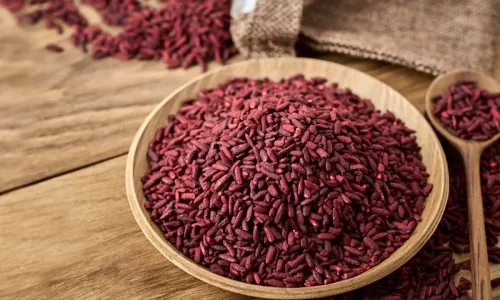
Red yeast rice: May lower mild to moderate cholesterol levels.
Fish oil: Omega-3 fatty acids can reduce triglycerides.
Niacin (B3): Once popular, but newer studies show potential risks at high doses.
Always talk to your provider before taking supplements, especially alongside prescription medications.
The Bottom Line
Statins are among the most effective medications for lowering the risk of heart attack and stroke. Whether you can stop taking them depends on your reason for treatment, cholesterol levels, and overall health.
If you’re experiencing side effects or considering stopping, talk with your provider. They may recommend a lower dose, a different statin, or another treatment option. Never stop taking statins without medical guidance.
Kannonball Wellness Tip:
If you’re considering medication changes or have questions about coverage, our team can help you review your options and find affordable solutions that support your long-term health.