When Blood Pressure Is Too Low

When Blood Pressure Is Too Low: Understanding Hypotension and When to Worry

Many people know that high blood pressure (hypertension) can increase the risk of heart disease, stroke, and other health issues. But what happens when blood pressure is too low, a condition known as hypotension?

Is lower blood pressure always healthier, or can it also create problems?

Let’s take a closer look at what low blood pressure means, when it may become a concern, and how it can be managed.

What Exactly Is Low Blood Pressure?

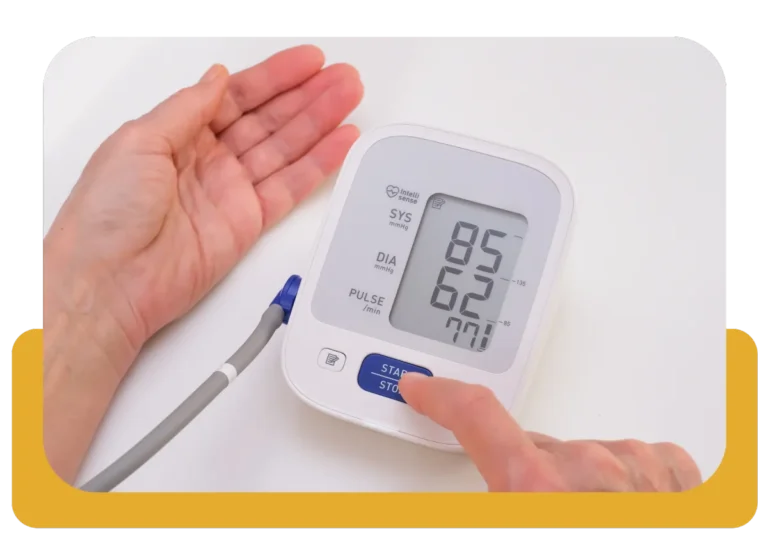
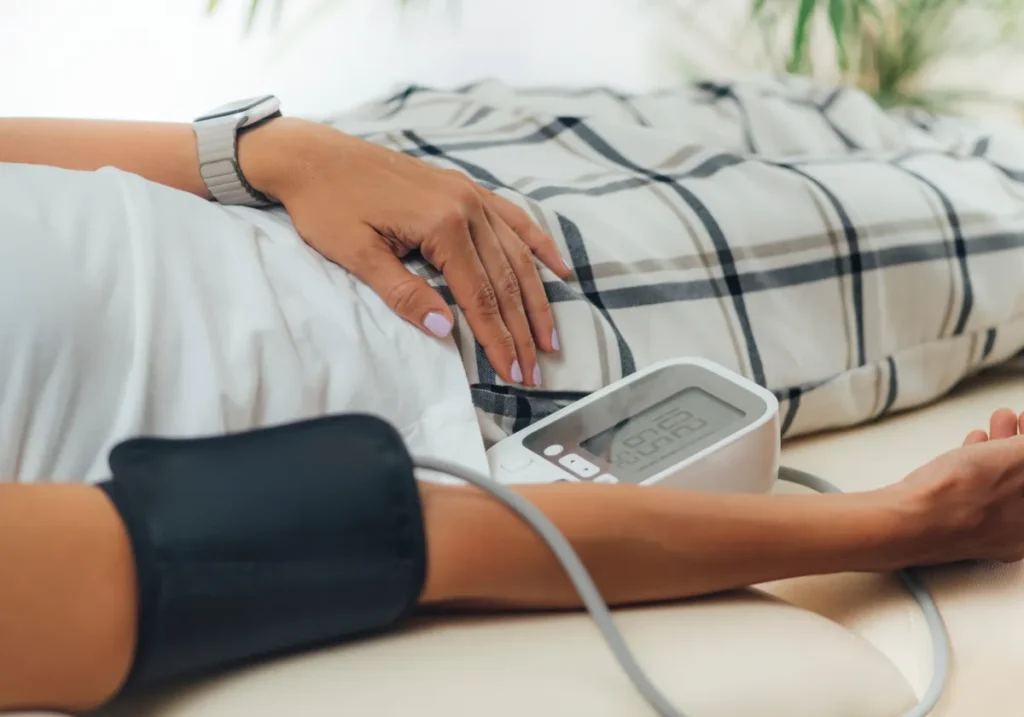
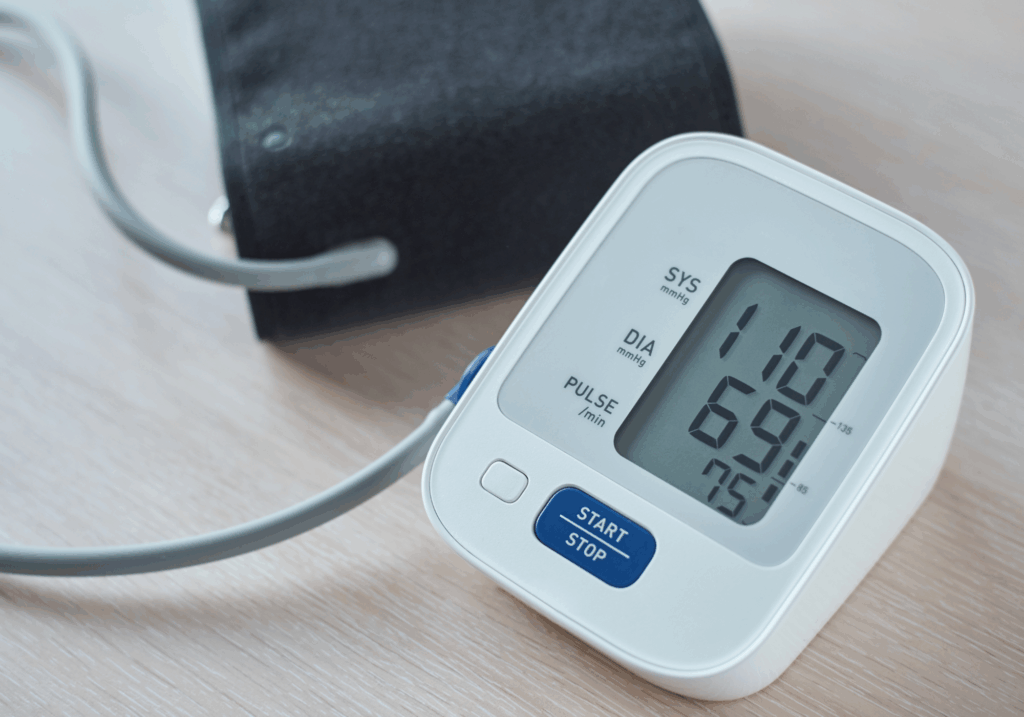
Blood pressure is measured using two numbers—systolic over diastolic, such as 120/80 mmHg.
    • The systolic number (top) measures the pressure in your arteries when your heart beat
    • he diastolic number (bottom) measures pressure between beats, when the heart rests.

According to the National Heart, Lung, and Blood Institute, blood pressure readings below 90/60 mmHg are generally considered low. However, the American Heart Association explains that there is no single number that defines blood pressure as “too low” — the most important factor is whether symptoms are present.

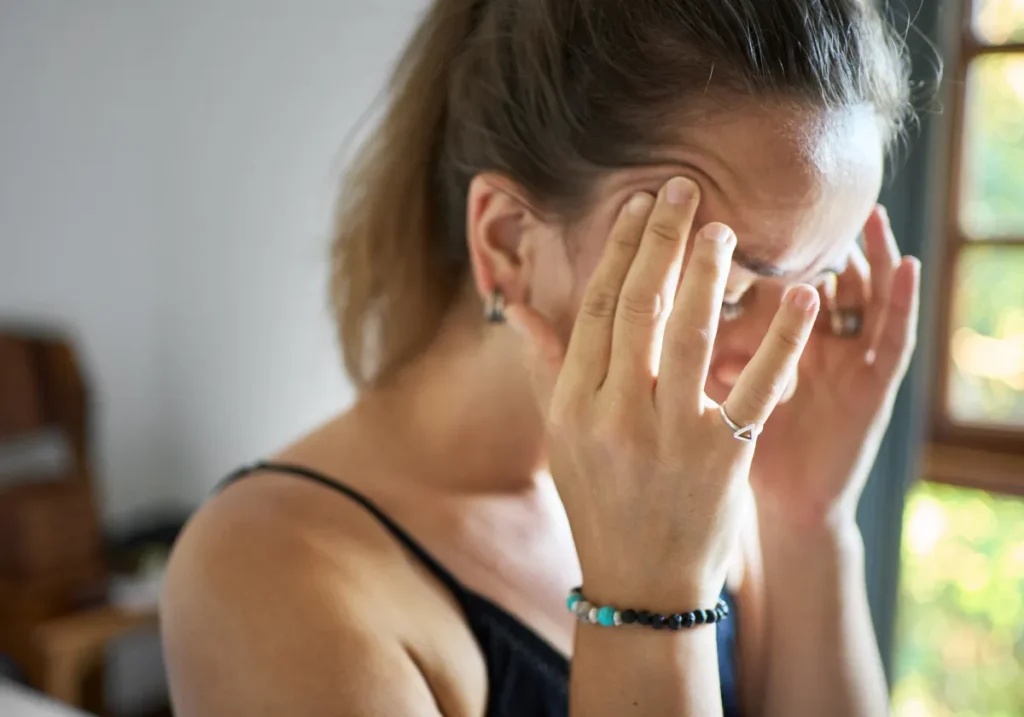
“The main concern with low blood pressure is when people experience dizziness, lightheadedness, or feel like they may faint,” says Eugene Yang, MD, professor of medicine at the University of Washington and chair of the American College of Cardiology’s Prevention Section.

In other words: if you feel fine, lower blood pressure may not be a problem. But if you’re getting dizzy, faint, or fatigued, it’s time to take it seriously.

Symptoms of Low Blood Pressure

Most cases of hypotension cause few or no symptoms, but when they do appear, they can range from mild to severe.
Common symptoms include:
Dizziness or lightheadedness
Fainting (syncope)
Fatigue or weakness
Blurred vision
Nausea
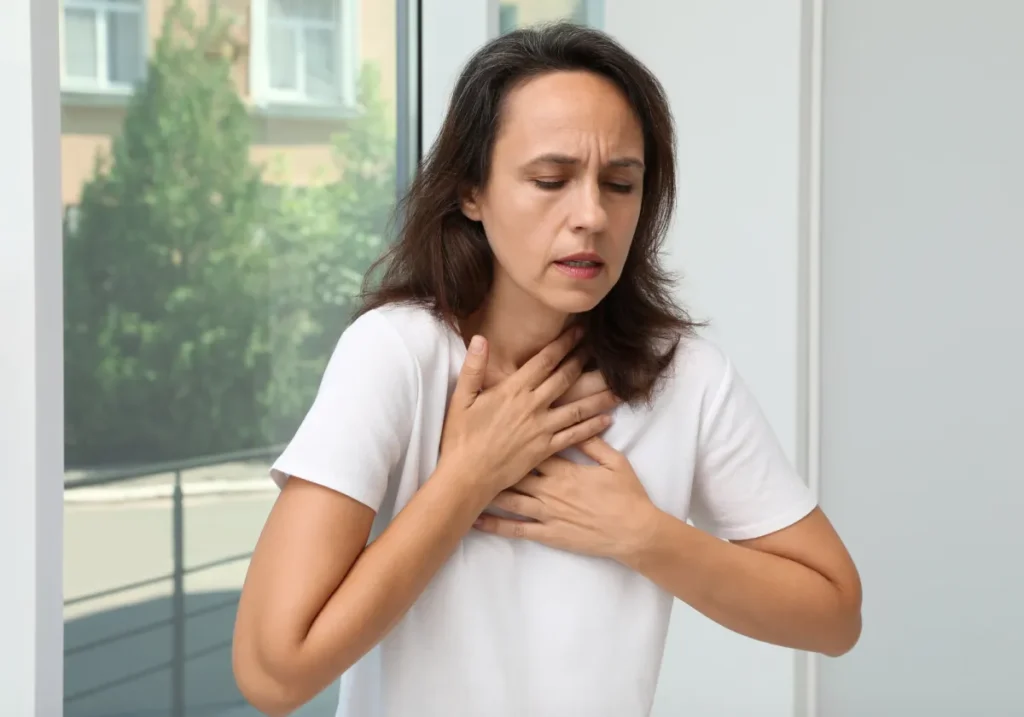
Rapid, shallow breathing
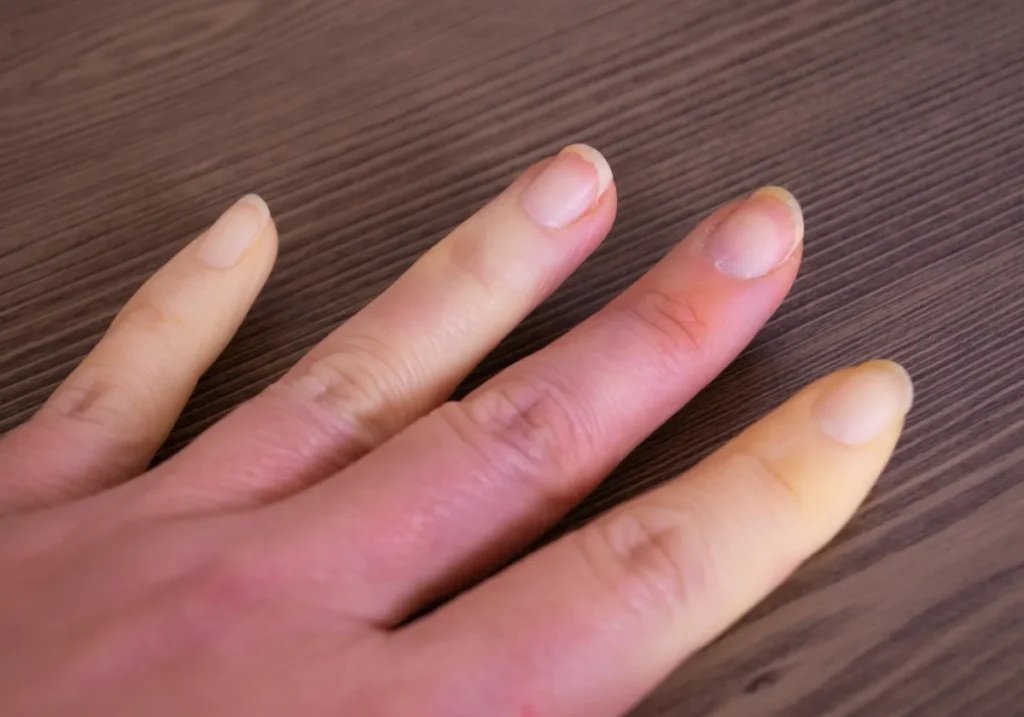
Cold, clammy, or pale skin
Confusion or difficulty concentrating

In severe cases, dangerously low blood pressure can lead to shock, a life-threatening condition where vital organs don’t get enough oxygen.
Call 911 immediately if you notice:

What Causes Low Blood Pressure?

Low blood pressure isn’t always a sign of poor health—it can happen for many reasons, including:
Temporary or lifestyle-related causes

  • Dehydration
  • Standing too long (neurally mediated hypotension)
  • Heat exposure
  • Pregnancy (especially in the first 24 weeks)
  • Sudden changes in position (standing too quickly)
Medical conditions

  • Blood loss or severe infection (septic shock)
  • Heart problems like heart failure or slow heart rate
  • Endocrine issues (hypothyroidism, Addison’s disease, diabetes)
  • Nutrient deficiencies such as low vitamin B12 or folic acid
  • Neurological conditions like Parkinson’s disease
Medical conditions
                      • Blood loss or severe infection (septic shock)
                      • Heart problems like heart failure or slow heart rate
                      • Endocrine issues (hypothyroidism, Addison’s disease, diabetes)
                      • Nutrient deficiencies such as low vitamin B12 or folic acid
                      • Neurological conditions like Parkinson’s disease

Different Types of Low Blood Pressure

There are several specific forms of hypotension:
Orthostatic (Postural) Hypotension
 

A sudden decrease in blood pressure when standing up after sitting or lying down. It is more common in older adults and may be more noticeable in the morning.

Neurally Mediated Hypotension


Often triggered by prolonged standing or emotional stress, this can cause dizziness or fainting. It is more common in children and young adults.

Postprandial Hypotension


A decrease in blood pressure that occurs 1–2 hours after eating, often affecting older adults and people with diabetes or high blood pressure.

Severe Hypotension Related to Shock
A medical emergency caused by trauma, infection, or allergic reaction, where blood pressure drops to dangerously low levels.
Multiple System Atrophy with Orthostatic Hypotension


A rare, progressive neurological disorder similar to Parkinson’s that can affect the body’s ability to control blood pressure

When Is Low Blood Pressure Dangerous?

If your readings are consistently low and you have symptoms like fainting, dizziness, or fatigue, contact your doctor.
A sudden drop—from, say, 120 to 90 systolic—can be especially concerning and may indicate an underlying problem.

“If someone has low blood pressure, call 911 if their heart rate increases, their breathing is shallow, they’re confused, or they become cold and clammy,” says Donna K. Arnett, PhD, dean of the University of Kentucky College of Public Health.

These signs point to shock, which requires immediate emergency care.
Managing and Treating Low Blood Pressure

Treatment depends on the cause. Some cases resolve with simple lifestyle changes; others may need medication.
At-home tips for mild hypotension:
Stay hydrated 
Drink plenty of fluids to prevent dehydration.
Add a little salt (with guidance) 
Sodium can help raise blood pressure, but consult your doctor first, especially if you have heart disease.
Eat smaller, frequent meals 
Large or carb-heavy meals can trigger post-meal drops in pressure.
Limit alcohol
Alcohol can lower blood pressure and worsen dehydration.
Exercise regularly
Aim for 30–60 minutes of moderate movement daily to strengthen your cardiovascular system.
Use compression stockings 
These help prevent blood from pooling in your legs.

Medical treatment may include:

If lifestyle changes aren’t enough, your doctor may prescribe medications such as:
  • Fludrocortisone (Florinef) – Helps retain sodium and water to increase blood volume.
  • Midodrine (ProAmatine) – Narrows blood vessels to raise blood pressure.
  • Certain antidepressants (SSRIs) may also help regulate blood pressure for some patients.

The Bottom Line

Low blood pressure is not always a concern, but when it causes symptoms like dizziness, fatigue, or fainting, it can become a safety issue. The key is to pay attention to your symptoms, monitor your blood pressure, and discuss any concerns with your healthcare provider.

At Kannonball Insurance Solutions, we understand the importance of having coverage that supports preventive care, regular checkups, and prescription needs. Whether you’re managing high or low blood pressure, we’re here to help you find coverage that supports your health and well-being.