
Cholesterol Medications: Understanding Statins and Other Heart-Healthy Options
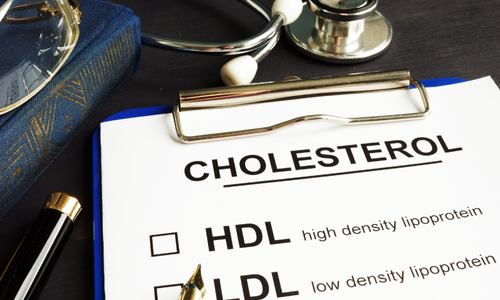
“Statins are the most commonly prescribed cholesterol drugs because extensive research shows their effectiveness in reducing heart attack and stroke, They help lower blood cholesterol levels by blocking your body’s ability to make its own cholesterol.”
Which Cholesterol Drug Is the Safest?
According to experts, Lipitor (atorvastatin) is often considered a first-choice treatment for high cholesterol. “It is generally well-tolerated by most people,” says Kate Byrd, Pharm.D., a former community pharmacist with Longs Drugs. Years of research also support its safety and effectiveness.
Statins remain one of the most trusted options for managing cholesterol because they have been proven to lower the risk of heart attack and stroke. However, the best choice depends on each person’s health, possible side effects, and interactions with other medications.
“The key to effective statin use—and minimizing side effects—is keeping doses as low as possible and avoiding drug interactions, Work closely with your healthcare provider or cardiologist to determine what’s best for you.”

Common Types of Cholesterol-Lowering Medications
1. Statins
Statins work by reducing cholesterol production in the liver and helping clear cholesterol from the bloodstream. This can help prevent plaque buildup in the arteries, which is a major contributor to heart disease.
- Lipitor (atorvastatin)
- Crestor (rosuvastatin)
- Zocor (simvastatin)
- Lescol XL (fluvastatin)
- Pravastatin
- Lovastatin
- Livalo (pitavastatin)
- Muscle pain or weakness
- Headaches or nausea
- Digestive discomfort (gas, constipation, or diarrhea)
- Sleep problems
- Elevated liver enzymes or, rarely, kidney issues
In rare cases, statins may cause rhabdomyolysis, a serious condition involving muscle breakdown. Seek medical help right away if you experience severe muscle pain, dark urine, or fever.
2. Zetia (Ezetimibe)
Zetia works by reducing the amount of cholesterol absorbed in the small intestine. It is often used alongside statins to help improve LDL cholesterol control.
Common side effect: Mild diarrhea, which may be managed by staying hydrated and maintaining a fiber-rich diet.
3. Fibrates
- Stomach pain or gallstones
- Muscle aches (especially when used with statins)
- Changes in liver or kidney function
4. Niacin (Vitamin B3)
- Flushing or itching
- Increased blood sugar
- Liver inflammation (in rare cases)
5. Bile Acid Sequestrants
These medications, such as cholestyramine, work by binding to bile acids in the digestive system. This encourages the liver to use more cholesterol to produce new bile, helping lower cholesterol levels.
Common side effects: Constipation, bloating, and gas (reported in up to 20% of users). They may also affect the absorption of other medications, so proper timing is important.
6. PCSK9 Inhibitors
The newest class of cholesterol medications, including Praluent (alirocumab) and Repatha (evolocumab), are injectable treatments that can significantly lower LDL cholesterol. They work by helping the liver remove more cholesterol from the bloodstream.
Common side effects: Mild injection site reactions, muscle aches, fatigue, or headaches, which are usually temporary and manageable.
Choosing the Right Cholesterol Medication
Finding the best cholesterol medication depends on several factors:
-
Your health profile: Existing conditions (like diabetes or liver issues) and your overall cardiovascular risk will guide your provider’s recommendation.
-
Side effects and drug interactions: Each medication behaves differently, so balancing benefits and tolerability is key.
-
Lifestyle habits: Medication works best when paired with heart-healthy habits.
Lifestyle Changes That Support Healthy Cholesterol

“The best way to lower cholesterol without having to take medication is to stop smoking, exercise, follow a healthy diet, and limit alcohol intake,” says Dr. Akers.
Simple steps to protect your heart:
-
Eat more fiber and less saturated fat
-
Stay physically active (at least 150 minutes of moderate activity weekly)
-
Maintain a healthy weight
-
Get enough sleep
-
Manage stress
The Bottom Line
Statins remain among the most trusted and effective medications for lowering cholesterol, but the safest choice depends on your individual health needs. With proper medical guidance, the right treatment plan, and healthy lifestyle habits, you can better manage your cholesterol and support long-term heart health.
If you have concerns about cholesterol, medications, or coverage for preventive care, contact Kannonball Insurance Solutions. We’re here to help you find the right plan and support your health goals.