
WANT TO TAKE A WEEKEND BREAK FROM VYVANSE? HERE’S WHAT TO KNOW ABOUT TAKING A DRUG HOLIDAY

Taking a break from medications may sound appealing, but it should never be done without guidance from a healthcare provider. Some medications require continuous use, while others may be appropriate for a temporary pause under medical supervision.
These planned breaks are sometimes called a “drug holiday” — a period when a person and their healthcare provider decide that stopping a specific medication temporarily may be safe and beneficial.
A drug holiday should always be carefully planned to avoid risks, withdrawal effects, or a return of symptoms.
KEY TAKEAWAYS
- Drug holidays, or planned breaks from medication, may help some people manage side effects and medication tolerance during long-term ADHD treatment when appropriate.
- Vyvanse, a stimulant commonly used for ADHD, is generally taken daily as prescribed, but some individuals may benefit from planned breaks to help address concerns such as side effects or reduced effectiveness over time.
- If stopping or reducing medication, a
gradual tapering plan under the guidance of a healthcare provider is recommended to help ensure safety and reduce potential risks.
WHAT IS DRUG HOLIDAY?
The purpose of a drug holiday depends on the medication and the individual’s situation. These planned breaks may be considered to help manage side effects, reduce medication tolerance, or prepare for situations such as surgery or pregnancy.
Drug holidays are often discussed in relation to ADHD treatment, especially for children and teens. Many ADHD medications are stimulants, which can be effective but may also cause unwanted side effects that require careful management with a healthcare provider.
Examples of stimulant drugs used to treat ADHD include:
Millions of children in the U.S. have been diagnosed with ADHD, and many use stimulant medications as part of their treatment. These medications are often taken for years, but decisions about taking drug holidays can vary depending on the child’s response to medication, family preferences, and a healthcare provider’s recommendations.
Because research on the risks and benefits of ADHD medication breaks is limited, there is still no clear guideline that applies to everyone. Any decision to pause treatment should be made carefully with medical guidance.
This article focuses on Vyvanse, a central nervous system stimulant approved by the FDA for treating ADHD in adults and children ages 6 and older. Vyvanse is also approved for binge eating disorder in adults and is classified as a federally controlled substance due to its potential for misuse, meaning it must be prescribed and monitored by a qualified healthcare provider.
DO YOU HAVE TO TAKE VYVANSE EVERY DAY?
As part of treatment for ADHD and binge eating disorder (BED), Vyvanse is generally taken daily as prescribed by a healthcare provider. Like other stimulant medications, it works relatively quickly after being absorbed by the body.
Vyvanse contains lisdexamfetamine, which is converted in the body into dextroamphetamine, the active ingredient that affects brain activity. Research shows that peak levels of the medication typically occur within a few hours after taking a dose, although how long it remains effective can vary from person to person.
Because individuals process medications differently, healthcare providers may adjust the Vyvanse dosage to balance effectiveness while reducing unwanted side effects. A common starting dose is 30 mg once daily in the morning, with gradual adjustments when needed. The maximum recommended dose is typically 70 mg per day, under medical supervision.
SIGNS YOU NEED A DRUG HOLIDAY
Taking a break from a stimulant medication like Vyvanse may be recommended in the following cases:

Signs of addiction or abuse are present
There is evidence the medication is no longer working
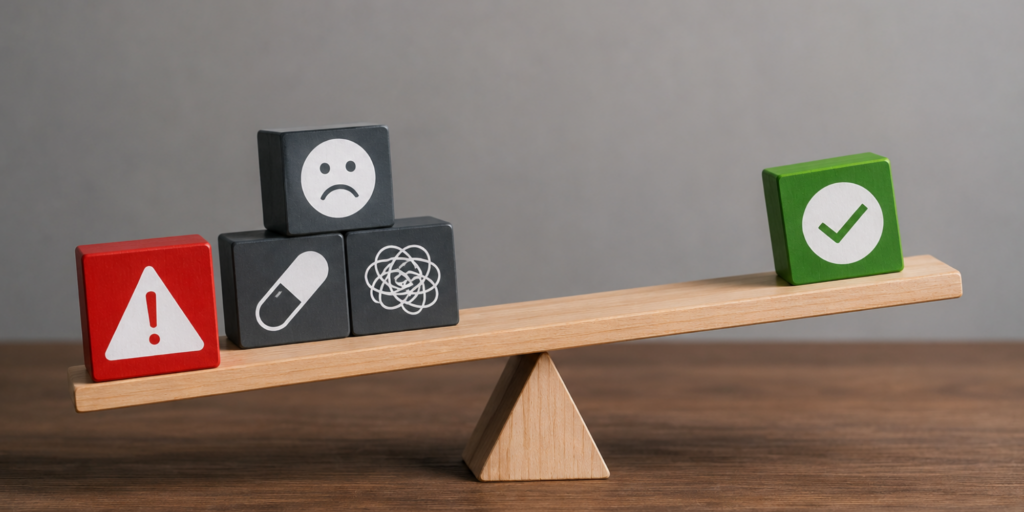
The harm or potential for harm outweighs the benefits of continuing treatment
Taking a planned break from stimulant medications like Vyvanse may be considered in certain situations, such as supporting addiction treatment, managing medication tolerance, or addressing persistent side effects.
A drug holiday should only be done under the guidance of a healthcare provider, who can determine whether pausing treatment is appropriate and help manage any potential risks.
STIMULANT ABUSE, ADDICTION, OR DEPENDANCE
ADHD can be associated with a higher risk of substance use disorders (SUD), making careful monitoring important when stimulant medications are prescribed. Some studies have reported misuse of stimulant ADHD medications among college-age students, highlighting the need for proper screening and follow-up.
Before starting stimulant treatment, healthcare providers should evaluate a person’s medical history, including any past or current substance use concerns, to help ensure the medication is used safely and appropriately.
Behavioral signs of Vyvanse abuse or misuse include:

Having cravings for the medication

Needing to feel “high” or “energized” by your medication

Having too much energy

Lying about medication use or stealing medication
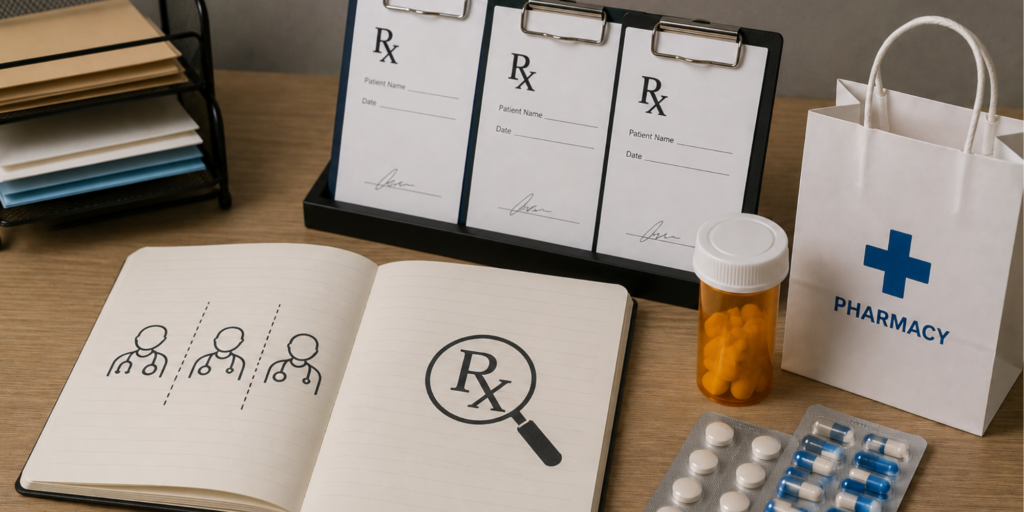
Seeing multiple doctors or trying to obtain more medication than prescribed

Being angry when asked about your medication use

Poor judgment or decision making

Mood swings
Physiological signs of Vyvanse abuse or misuse include:
- Anxiety, nervousness
- Racing thoughts, hyperawareness, inability to control thoughts
- Hallucinations, delusions, paranoia, confusion
- Sweating
- Twitching or jitteriness
- Decreased appetite
- Rapid heart rate
- Elevated blood pressure
- Heart attack and even death
If you or a loved one are concerned about stimulant medication misuse or dependence, it is important to seek support from a medical or mental health professional before making any changes to the medication.
Stopping stimulant medication suddenly may not be safe in certain situations. A healthcare provider can create a gradual tapering plan and provide guidance to help reduce risks and support recovery.
For confidential support related to substance use concerns, the Substance Abuse and Mental Health Services Administration (SAMHSA) National Helpline is available 24/7 at 1-800-662-HELP (4357).
Vyvanse crash
As ADHD medications wear off, some people may experience a temporary worsening of symptoms known as “ADHD medication rebound” or a “Vyvanse crash.”
This effect is especially common among children and teens taking stimulant medications. Since these medications are usually taken in the morning to support focus and attention during the day, rebound symptoms often appear in the afternoon or early evening as medication levels decrease.
A medication crash may happen earlier if a person has developed tolerance or if their body processes the medication more quickly than expected. Symptoms and timing can vary, so it’s important to discuss any concerns with a healthcare provider.
Symptoms of a Vyvanse crash include:
- A return of the symptoms of ADHD, sometimes worse than baseline
- Excessive tiredness or sleepiness
- Mood swings
- Anxiety, irritability
- Inattention
- Hyperactivity
- Impulsivity
Pediatric weight loss
In controlled trials of Vyvanse in children ages 6 to 12, researchers observed weight loss and slower growth rates in some participants. These effects appeared to be dose-related, meaning higher doses were associated with greater changes in weight.
For many children, these effects may stabilize after several months of treatment and do not appear to delay puberty. However, healthcare providers should regularly monitor height and weight in children taking Vyvanse. If significant weight loss or growth concerns occur, a provider may consider adjusting or discontinuing treatment.
Vyvanse tolerance
Drug tolerance occurs when the body becomes used to a medication, causing it to become less effective over time or requiring higher doses to achieve the same benefit. Tolerance can happen with many types of medications and is not unique to ADHD treatments.
Because many people begin ADHD medications during childhood and may use them for years, healthcare providers may consider strategies to help manage tolerance. One approach may include planned medication breaks, sometimes called drug holidays, such as during weekends or school vacations.
Taking scheduled breaks from stimulant medications like Vyvanse may help the body become more responsive to the medication and may support improvements in areas such as appetite, sleep, weight, and growth for some children. However, drug holidays are not appropriate for everyone and should only be considered with guidance from a healthcare provider based on the child’s individual needs and response to treatment.
Can I skip Vyvanse on weekends?
Skipping Vyvanse on weekends should only be considered if you and your healthcare provider agree that it is safe and appropriate. Research on drug holidays is still limited, and there is no universal guideline on the best timing or duration for taking a break.
The decision should be personalized based on the child’s symptoms, treatment goals, medication response, and overall needs. A healthcare provider can help determine whether a planned break may be beneficial and how to approach it safely.
What are the risks of stopping Vyvanse on weekends?
Stimulant medications like Vyvanse have a potential for misuse and dependence, especially with higher doses or long-term use. Stopping the medication suddenly, even when taken as prescribed, may lead to withdrawal symptoms such as extreme tiredness, difficulty concentrating, and changes in mood or energy levels.
For people using Vyvanse as directed, withdrawal symptoms are usually mild and not life-threatening, but they can still be uncomfortable. Because of this, some healthcare providers may recommend gradual dose reduction (tapering) instead of taking scheduled medication breaks.
There is no single approach that works for everyone. Some providers may support a drug holiday, while others may recommend tapering or adjusting treatment in a different way.
If you or a loved one are considering stopping Vyvanse, taking a medication break, or changing treatment, it is important to discuss the options with the prescribing healthcare provider. A personalized plan can help ensure the safest and most effective approach.
Stopping Vyvanse safely
To safely and effectively stop taking ADHD medications like Vyvanse, it is important to work closely with a healthcare provider and follow their guidance throughout the process. A medically supervised plan can help reduce potential risks and ensure the transition is managed appropriately.
- Choose the right time. Pick a day that fits the child’s and family’s schedule. Explain what a drug holiday means and let your child know when their medication will be paused.
- Consider family readiness. Before taking a Vyvanse break, think about whether both the child and caregivers are prepared to manage possible ADHD symptoms without medication.
- Plan coping strategies together. Drug holidays can be challenging, so discuss expectations as a family. Use supportive approaches such as outdoor activities, exercise, routines, and positive reinforcement to help manage symptoms.
- Consider trying a break with older children. Older children may be better able to recognize how they function without medication and communicate whether they feel they still need treatment.
- Discuss alternatives with a healthcare provider. If stopping Vyvanse is being considered, talk about options such as non-stimulant medications, behavioral therapy, and support strategies for both the child and parents.
- Set realistic expectations. A drug holiday may not be the right choice for every child or family. If symptoms become difficult to manage, ADHD medications often begin working again soon after restarting treatment under medical guidance.
Source: SingleCare