Heart palpitations can be alarming, but they’re usually not cause for concern. Find out common causes of heart palpitations, plus ways to prevent them.
Heart palpitations are something many people experience. They can feel like a flutter in your chest when you’re excited, a brief pause after receiving bad news, or a racing, sweaty sensation after taking a medication like Sudafed.
There are many possible causes of heart palpitations. Here’s how to recognize when they may be harmless and when they could signal a more serious problem.
What are heart palpitations?
Heart palpitations are sensations that your heart is fluttering, pounding, racing, flip-flopping, or skipping a beat. They often happen when you become more aware of your heartbeat.
Although they can feel alarming, occasional palpitations are usually not a sign of heart disease. Leonard Pianko, MD, a cardiologist at Aventura Cardiovascular Center, notes that most palpitations are harmless.
They are also common across different age groups. Fahmi Farah, MD, says people ranging from their 20s to adults over 65 can experience them.
What causes heart palpitations?
Heart palpitations have many potential causes. Below are some of the common, mostly harmless explanations for heart palpitations:
Emotions
Expressions like “died of a broken heart” and “scared to death” may have some truth behind them. Research has linked strong emotions such as anxiety, stress, and panic attacks to irregular heart rhythms and palpitations.
These emotional responses can trigger the release of hormones that temporarily affect how your heart beats.
Vigorous activity
During exercise, your heart rate and cardiac output—the amount of blood your heart pumps each minute—increase significantly. This can cause temporary palpitations, even in healthy people, especially if you’re getting back into exercise after a long break.
Hormone changes
Hormonal changes during menstruation, pregnancy, and perimenopause can sometimes trigger heart palpitations. Thyroid conditions, including Graves’ disease or an overactive thyroid nodule, may also cause them. A rare adrenal condition called pheochromocytoma can increase stress hormones, leading to palpitations and chest pain.
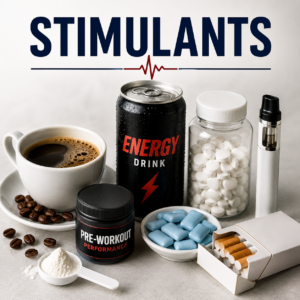
Stimulants
Nicotine, cocaine, amphetamines, and other stimulants can affect heart rate and trigger palpitations, although the impact varies from person to person. While caffeine has often been blamed for palpitations, a study published in the Journal of the American Heart Association found that even higher caffeine intake is unlikely to significantly affect heart rhythm in healthy people.
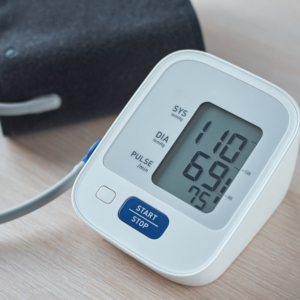
Low blood pressure
Blood pressure can change for many reasons, including shifts in body position or diet. When blood pressure drops, the heart may respond by beating faster to maintain steady blood flow. This increase in heart rate can sometimes cause a fluttering sensation or palpitations.
Medications
Certain medications used for asthma, high blood pressure, and even over-the-counter decongestants may trigger heart palpitations in some people.
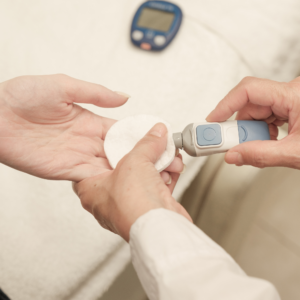
Low blood sugar
When you’re very hungry, you may feel weak, sweaty, or notice your heart beating faster. This can happen as your body releases adrenaline, a hormone that helps respond to low blood sugar and the need for energy.
Fever
When your body temperature rises, your body may use more energy and your heart may beat faster. This increase in heart rate can sometimes lead to palpitations.
Alcohol
Drinking too much alcohol can cause your heart rate to increase, which may lead to a fluttering or racing sensation in your chest.
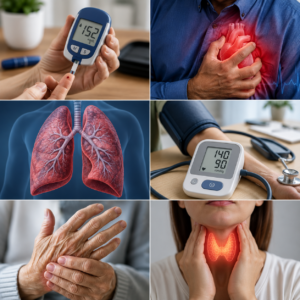
Certain medical conditions
According to Dr. Pianko, conditions such as thyroid disorders, high blood pressure, and valvular heart disease can contribute to heart palpitations.
If you have heart palpitations occasionally for one of these reasons, it’s usually not a major health issue.
Are heart palpitations serious?
Most heart palpitations are harmless, but sometimes they can signal a more serious problem. One possible cause is cardiac arrhythmia, a group of conditions that can make the heart beat too slowly, too quickly, or irregularly.
The most common types include:
Atrial fibrillation or AFib (erratic, irregular heartbeat)
Bradycardia (slow heartbeat)
Supraventricular tachycardia (rapid heartbeat that starts in the upper chambers above the ventricles)
Distinguishing between benign and serious palpitations
Frequent or recurring heart palpitations may sometimes be linked to an artery blockage or other cardiovascular conditions. To identify the cause, your healthcare provider may refer you to a cardiologist for further evaluation and tests, such as:
Echocardiogram — an imaging test that checks whether the heart’s walls and valves are functioning properly.
Stress test — checks how your heart functions and how your breathing responds during physical exertion.
Electrocardiogram (ECG or EKG) — records the heart’s electrical activity to detect abnormal heart rhythms.
Holter monitor — a portable ECG device that continuously tracks your heart rhythm for 24 to 48 hours.
Be sure to seek medical attention or call 911 if you’re experiencing any of the following symptoms in addition to palpitations:
Chest pain/tightness
Shortness of breath or difficulty breathing
Dizziness or lightheadedness
Confusion
Loss of consciousness
These may be signs of cardiac arrest, which can be life-threatening.
How to stop health palpitations
Before deciding on treatment, your healthcare provider will consider your medical history, including how long the palpitations have been happening, how long they last, what may trigger them, and any existing health conditions. Nupoor Narula, MD, notes that palpitations can have different causes depending on a person’s underlying health.
For mild or occasional palpitations, lifestyle changes may help reduce how often they occur or slow a racing heartbeat. More frequent or severe cases may require medication or a medical procedure.
Lifestyle changes
Start by taking note of what triggers your heart palpitations. Then, take steps to reduce your exposure to that stimulus. Some of these techniques include:
Practice yoga or meditation:
Anxiety is a common trigger for heart palpitations. Practices like yoga and meditation may help reduce stress and ease episodes of heart fluttering.
Learn deep breathing techniques
Breathing and heart rate are closely connected. Box breathing—inhaling for four seconds, holding for four, exhaling for four, then holding for four—may help regulate breathing and calm a racing heart, which can reduce palpitations.
Limit caffeine intake
Caffeine does not trigger palpitations for everyone, but sensitivity varies from person to person. If you experience heart fluttering, reducing your coffee or caffeine intake may help.
Quit smoking
Stopping smoking reduces your nicotine exposure, a substance that can trigger heart palpitations.
Eat regularly
Following a healthy diet and consuming regular meals can stop spikes and drops in your blood sugar that could cause heart palpitations.
If alcohol or an over-the-counter medication seems to trigger your palpitations, talk with your healthcare provider about ways to avoid or manage that trigger safely.
Medications
When lifestyle changes aren’t enough, healthcare providers may use medications such as beta blockers or centrally acting calcium-channel blockers to help slow and regulate the heartbeat.
If an underlying condition is causing the palpitations, treatment will focus on managing that condition. For example, anxiety or an overactive thyroid may require specific medications or other appropriate treatment.
Procedures
In some cases, palpitations may continue despite lifestyle changes or medication. Depending on the underlying cause, procedures such as catheter ablation, a pacemaker, or an implantable defibrillator may be considered.
Many palpitations have no serious cause and do not require treatment. Even so, keep track of your symptoms and contact your healthcare provider if they become more frequent, severe, or change in any way.