
Learn why you might need to stop taking these cholesterol-lowering drugs, and how to do it safely
Statins are a group of medications commonly prescribed to help manage high cholesterol levels. These include Crestor (rosuvastatin), Lipitor (atorvastatin), and Zocor (simvastatin). They work by lowering low-density lipoprotein (LDL) cholesterol, also known as “bad” cholesterol, along with triglyceride levels to help improve overall cholesterol health.
Statins may also be used to help reduce the risk of heart attack and stroke in people with heart disease or those at higher risk due to narrowed or blocked arteries.
Some people taking statins may be able to stop treatment, but this depends on the reason the medication was prescribed and their overall health condition. Before stopping statins, it is important to understand when it may be appropriate, how to do it safely, and the possible benefits and risks involved.
Key takeaways
Statins lower LDL cholesterol and triglyceride levels, bringing down total cholesterol and reducing the risk of heart attack and stroke.
People without a history of heart attack and stroke may be able to stop taking statins with lifestyle changes, but this isn’t an option for everyone.
If statin side effects have you considering stopping, talk to your provider: You may be able to lower your dose, switch to a different statin, or take a non-statin medication to manage your cholesterol levels.
Stopping statins increases your risk of cardiovascular events like a heart attack and stroke. Never stop taking statins suddenly, and always discuss changes to your medications with your provider.
What happens if you stop taking statins?
Some people may be able to stop taking statins after starting treatment, but the decision depends greatly on their individual health risks. Those with serious cardiovascular risk factors, such as a previous heart attack or stroke, are generally less likely to be advised to stop statin therapy. According to Joyce Oen-Hsiao, MD, associate professor of medicine at Yale School of Medicine, stopping statins may be more possible for people who were prescribed them for primary prevention, which means reducing the risk of heart attack or stroke in people who have not had these conditions before.
“Many of the patients I consider taking off a statin are those who had high cholesterol related to lifestyle factors and were prescribed medication for primary prevention,” explains Dr. Oen-Hsiao. If someone makes consistent lifestyle changes, including improving their diet and exercising regularly, and their cholesterol reaches a healthy level, stopping statins may be considered with medical guidance.
Without continued lifestyle improvements, however, stopping statins can often cause cholesterol levels to increase again. This may raise the risk of serious health problems, including heart disease and cardiovascular events such as heart attack, stroke, and aneurysm.
Reasons for stopping statins
Depending on your personal risk factors, your healthcare provider may recommend continuing statin treatment long-term unless there is a significant reason to stop.
This is especially important for people who have already experienced a cardiovascular event, according to Cheng-Han Chen, MD, an interventional cardiologist and medical director of the Structural Heart Program at MemorialCare Saddleback Medical Center in California. For people at higher risk, providers typically avoid stopping statins unless side effects become a concern. In these situations, Dr. Chen explains that a different non-statin cholesterol medication may be recommended instead.
Common side effects of statins may include muscle pain, increased blood sugar levels, and elevated liver enzymes. While some people experience no side effects or only temporary symptoms, others may have ongoing issues that affect their daily life or, in rare cases, lead to serious liver and muscle damage. If side effects continue or become severe, speak with your healthcare provider. They may recommend another medication that can help manage cholesterol with fewer side effects.
Aside from side effects, there are other reasons why some people may consider stopping statin therapy, including:

Better health choices
According to Dr. Chen, some people may be able to stop taking statins if their overall cardiovascular risk becomes significantly lower than when they first started treatment. This is more likely in people who were prescribed statins for primary prevention and later made major lifestyle changes that helped improve their cholesterol levels.
However, having lower cholesterol numbers alone does not always mean statins can be stopped. In many cases, those improved lower numbers are the result of the medication itself, and stopping treatment may cause cholesterol levels to increase again.
Cost
There are many generic and brand-name statin options available, so there is a good chance that at least one statin medication may be covered by your health insurance plan. However, if your insurance does not cover statins or you do not have health coverage, it may be expensive to continue taking statins.
If you are having difficulty affording your medication, talk with your healthcare provider. They can help you explore possible alternatives and create a treatment plan that fits your budget while still addressing your health needs.


Pregnancy
Statins are generally not recommended during pregnancy or breastfeeding, although newer research suggests the risks may not be as high as previously believed.
If you are taking statins and become pregnant, speak with your healthcare provider. They can help you understand the benefits and risks of continuing or stopping treatment during pregnancy and breastfeeding, and discuss other options for managing your cholesterol if you decide to stop statins for an extended period.
Medication interactions

How to stop taking statins
You should not stop taking statins—or any prescription medication—without first consulting your healthcare provider. While some medications can be stopped immediately, statins may require a different approach. Stopping treatment without medical guidance could increase the risk of heart attack or stroke, especially for people with a history of cardiovascular problems.
Always work with your provider to determine the safest option for your health.
Here are some common alternatives your provider may recommend instead of stopping treatment suddenly:
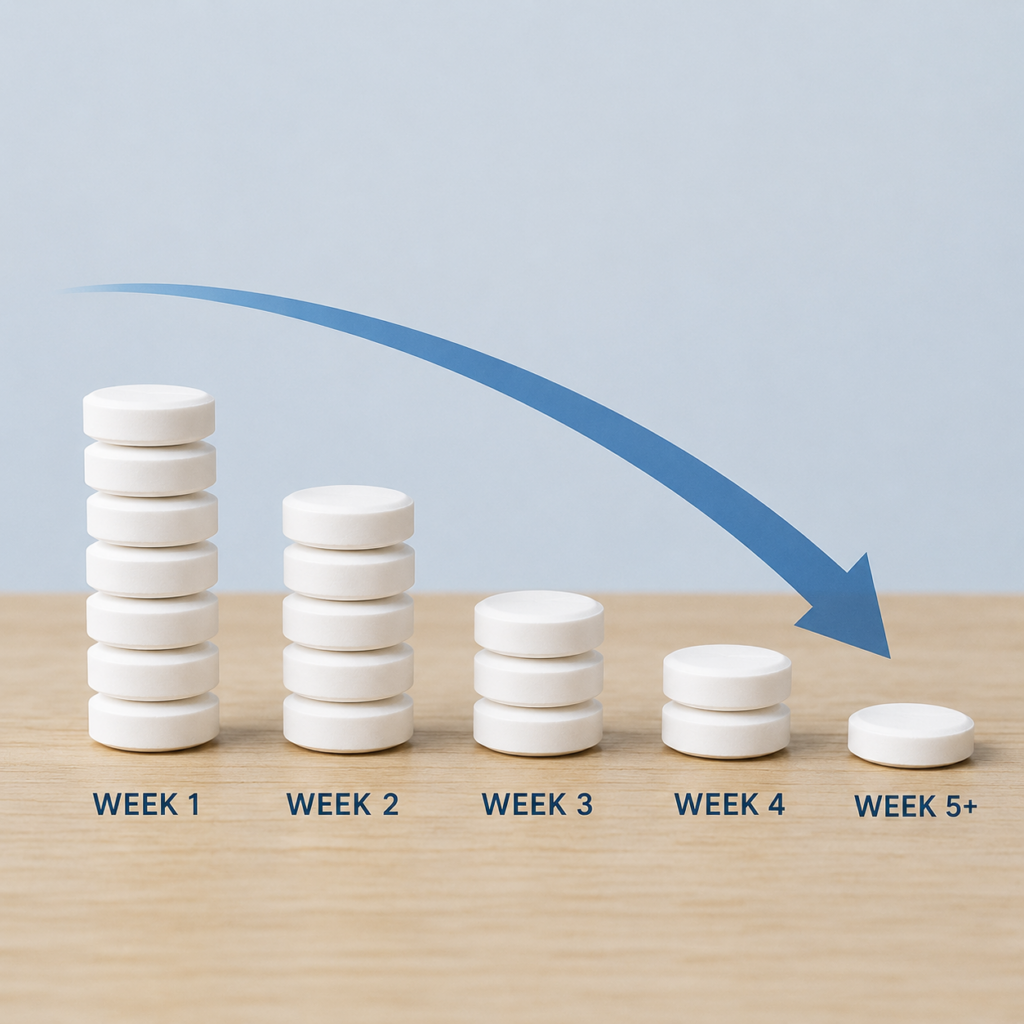
1. Tapering off gradually
Stopping statins suddenly is generally not recommended, especially for people who have already experienced a cardiovascular event. According to Dr. Chen, the protective benefits of statins can fade relatively quickly, so it is important to have a plan in place to maintain heart health and reduce future cardiovascular risks.
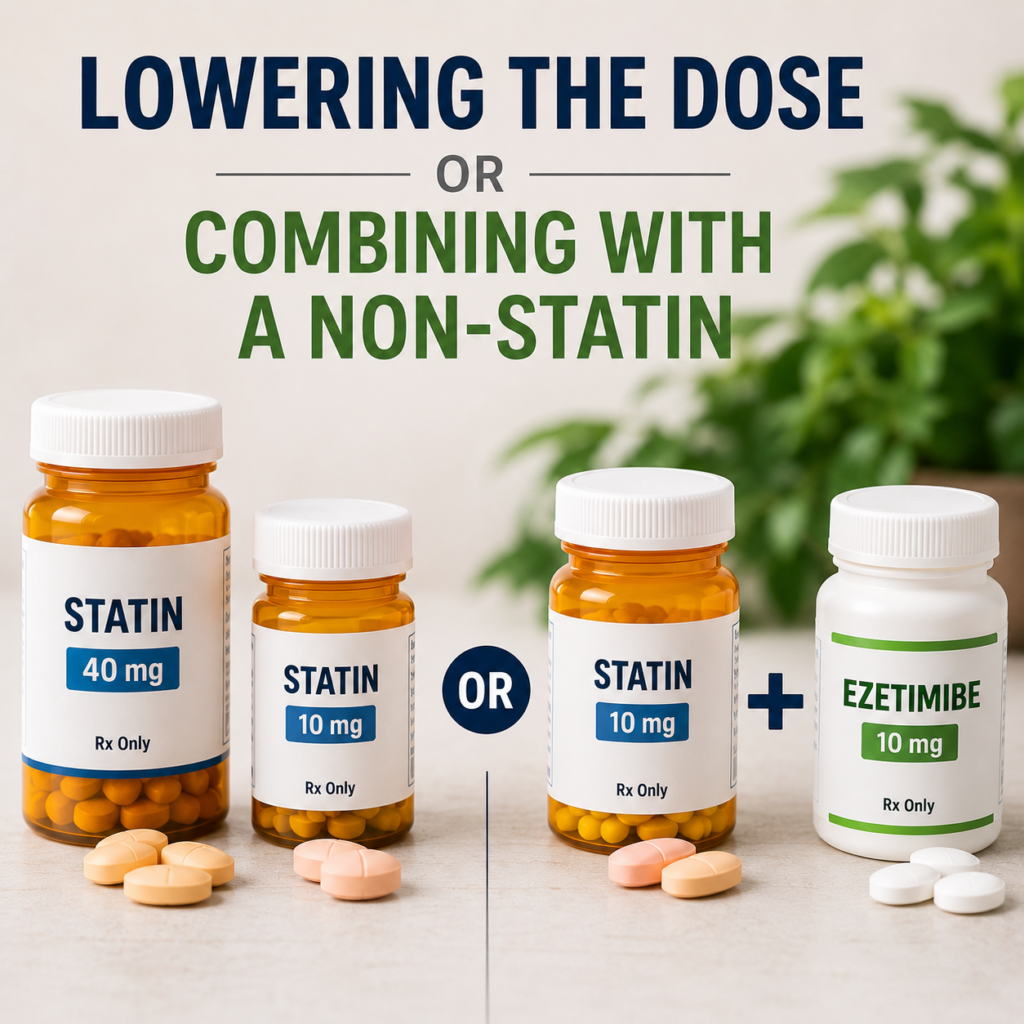
2. Lowering the dose or combining with a non-statin
Your provider may discuss the “rule of 7” when adjusting your statin dose. According to Dr. Oen-Hsiao, doubling a statin dose typically results in only about a 7% additional reduction in LDL cholesterol.
This means higher doses do not always lead to a much greater drop in cholesterol levels. Lower doses can still be effective for managing cholesterol levels, especially for people who cannot tolerate stronger doses.
“Some people are unable to tolerate higher doses of statins,” says Dr. Oen-Hsiao, but non-statin cholesterol medications can be added alongside a lower-dose statin to help improve cholesterol control.
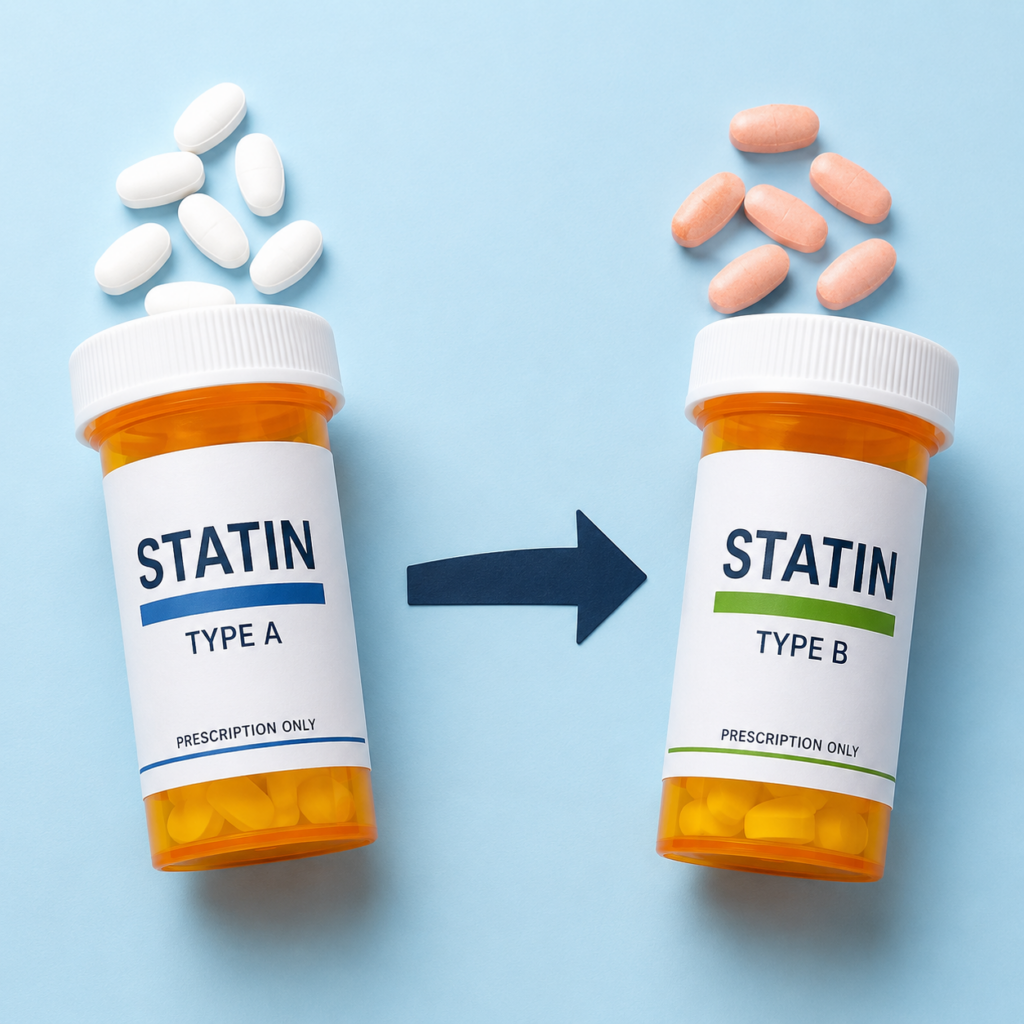
3. Switching to a different statin
Before stopping statin treatment completely, your healthcare provider may recommend trying a different statin medication to see if it works better for your body.
Alternatives to statin therapy
Depending on your original reason for taking statins and your overall health, you may be able to use lifestyle changes, non-statin medications, or supplements to help maintain a healthy cholesterol level instead.
Lifestyle changes
There are three major lifestyle changes you can make that might make it possible to treat your high cholesterol without statins.
Diet
They also suggest limiting foods high in saturated fats, added sugars, fried foods, and refined carbohydrates to help support better heart health.

Exercise
Regular exercise can support a healthy weight and improve heart health. Dr. Oen-Hsiao recommends aiming for at least 30 minutes of cardio activity each day to help keep your heart strong.

Healthy habits

Medications
These medications include:
- PCSK9 inhibitors like Praluent (alirocumab) and Repatha (evolocumab)
- Zetia (ezetimibe), a cholesterol absorption inhibitor that reduces the amount of cholesterol in the intestines and liver
- Nexletol, an antilipemic drug containing bempedoic acid to decrease the amount of LDL in your blood
- Leqvio (inclisiran), an injectable PCSK9 inhibitor
Fibrates such as Lopid (gemfibrozil) and Tricor (fenofibrate) can sometimes be used, but they don’t lower LDL cholesterol—only triglycerides. Therefore, they may not be an option for everyone trying to avoid statin therapy.
Supplements
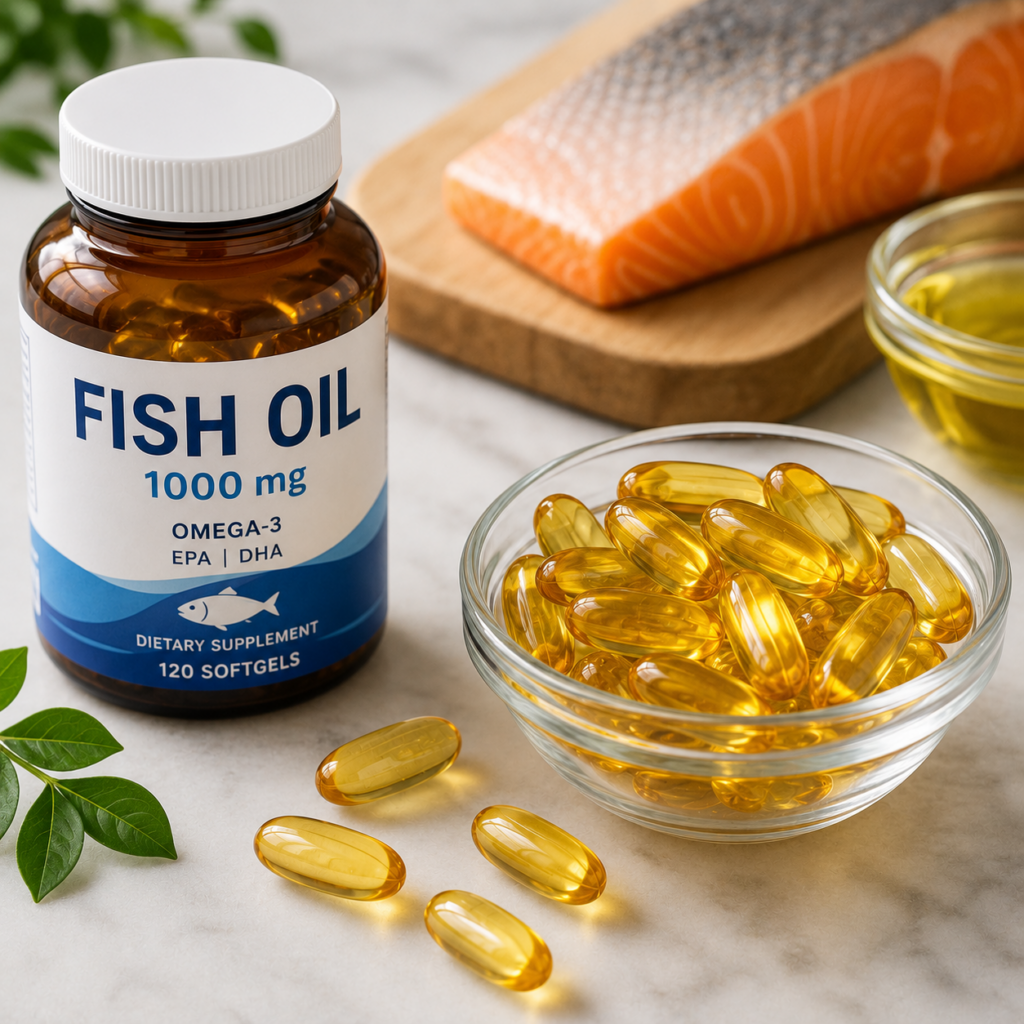
Some supplements may help support cholesterol management, but they are not always a direct replacement for statins.
Dr. Oen-Hsiao explains that while certain supplements may help lower cholesterol, there is limited clinical evidence on their safety and effectiveness, and they generally do not lower cholesterol as effectively as statins. Dr. Chen also notes that supplements may have potential side effects and drug interactions to consider when taking supplements.
Always talk with your healthcare provider before taking supplements, especially if you are already using a prescribed statin medication.
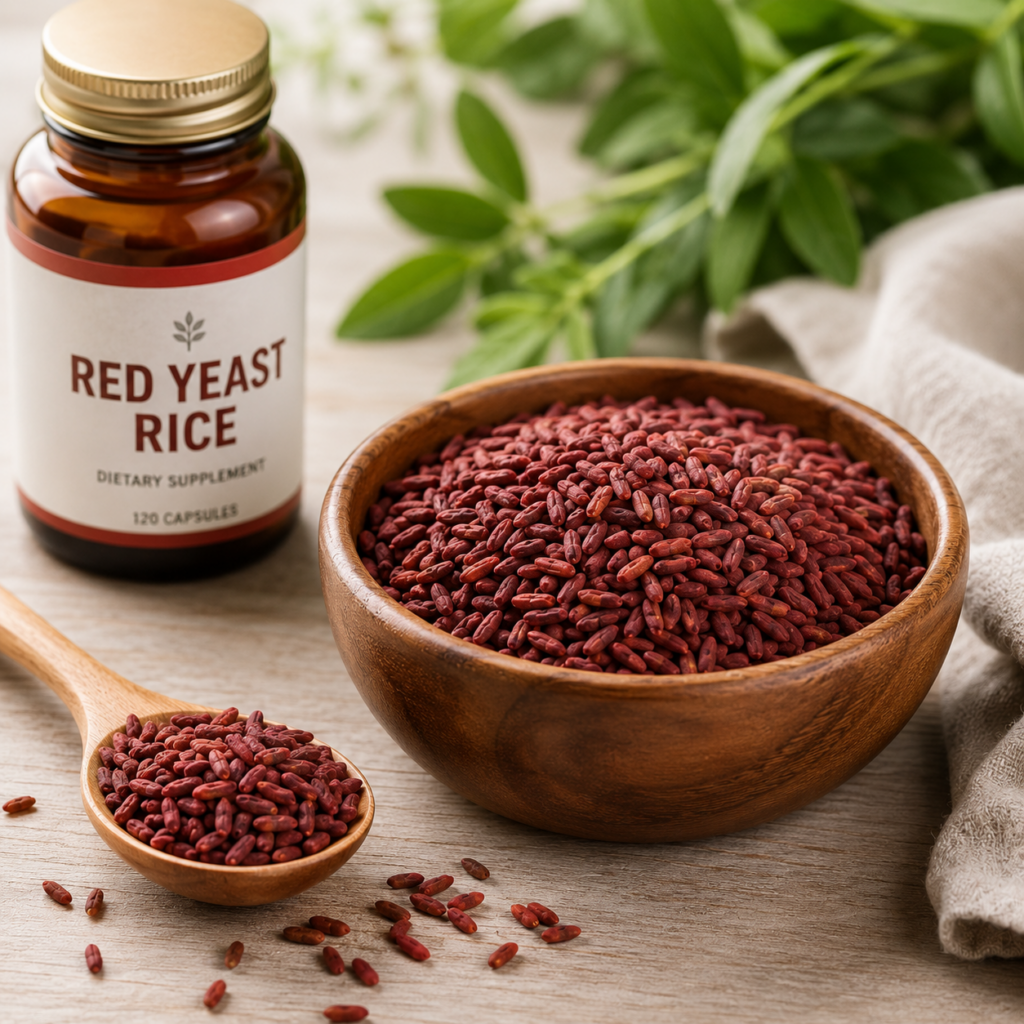
Red yeast rice
Fish oil
Niacin
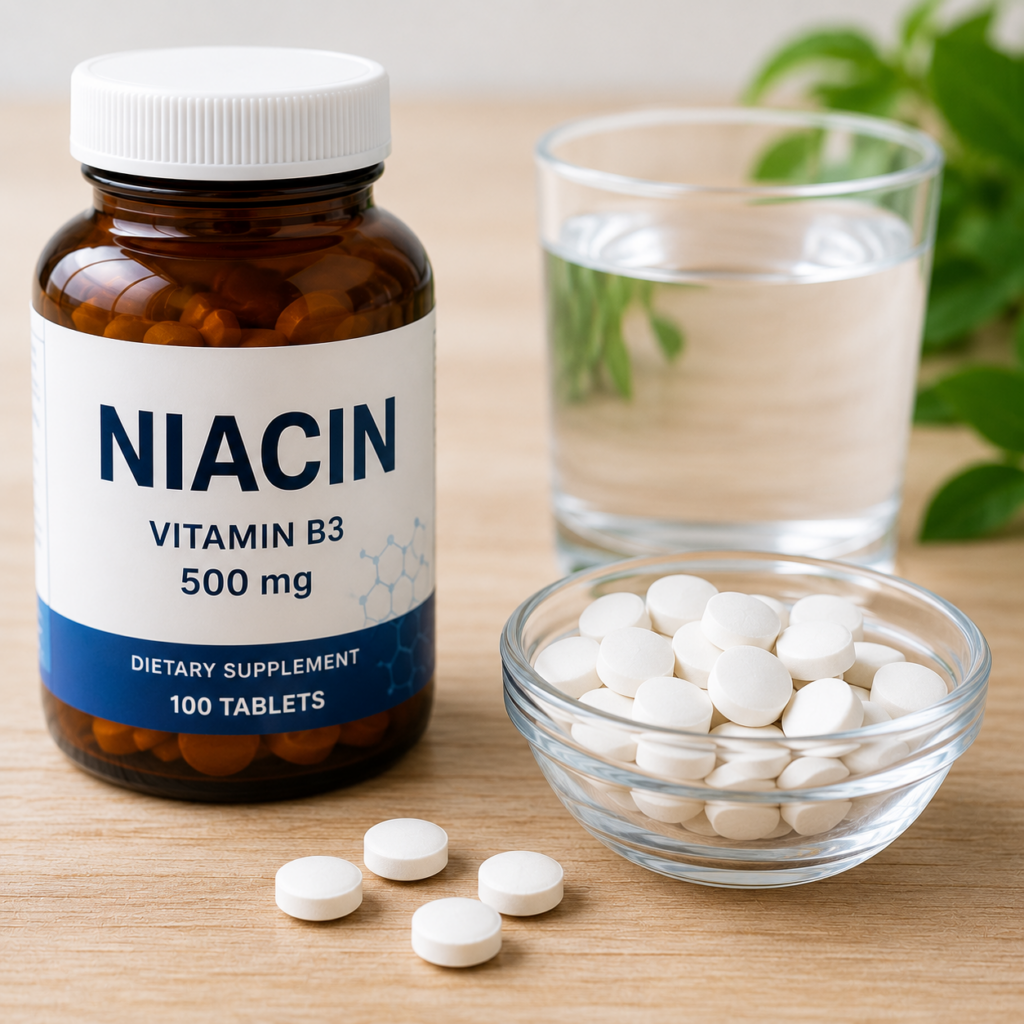
High doses of niacin (B3) may help lower LDL cholesterol and triglycerides while raising HDL cholesterol. However, newer research suggests high niacin levels may increase heart disease risk, so some experts are more cautious about recommending it.
The bottom line
Some people may be able to stop taking statins, but it depends on why they were prescribed. Those using statins for primary prevention may be able to stop after making significant lifestyle changes, while people with a history of heart attack or stroke usually should not stop unless side effects become a problem.
If you experience side effects, your provider may recommend adjusting your dose or trying a different statin before stopping treatment. Since statins are highly effective at reducing cardiovascular risk, always consult your provider before making any changes.
Source: SingleCare